
Airbus First Officers Cannot Feel Captain's Control Inputs: A Critical Design Flaw in Modern Cockpit Architecture
Breaking airline news and aviation industry updates for 2026.

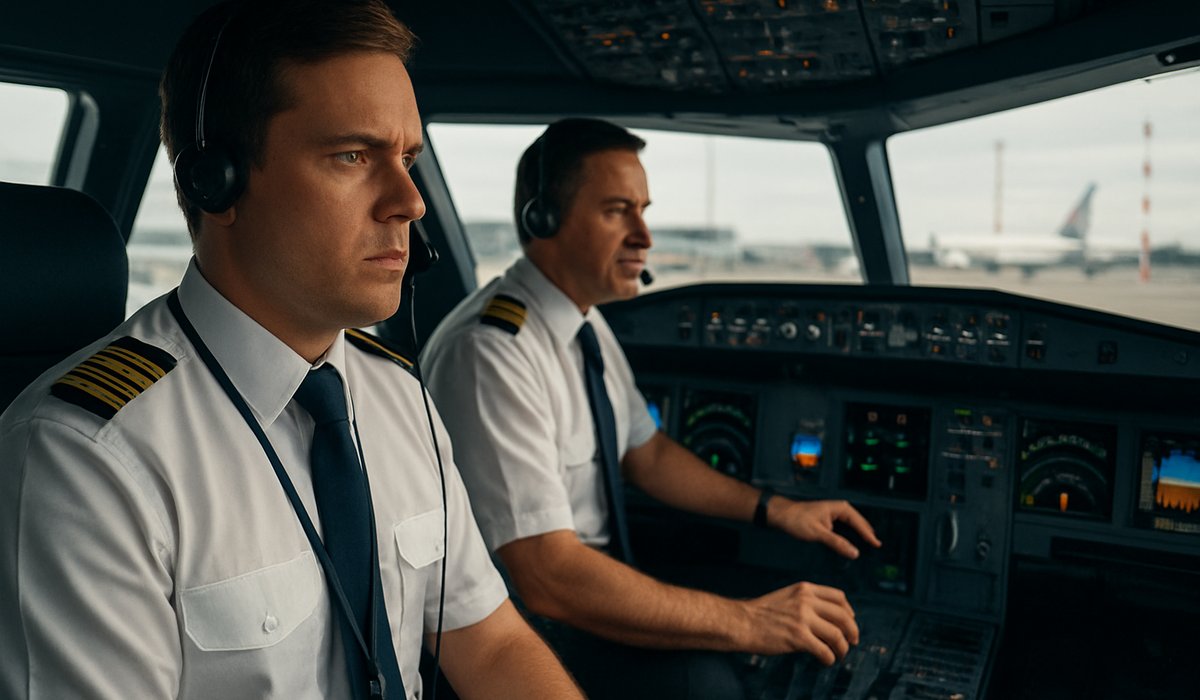
Image generated by AI
Airbus First Officers Cannot Feel Captain's Control Inputs: A Critical Design Flaw in Modern Cockpit Architecture
The aviation industry's shift toward fly-by-wire technology has created a dangerous disconnect between pilots during critical flight operations
The Fundamental Design Difference
Modern commercial aircraft cockpits reflect fundamentally different philosophies between the industry's two dominant manufacturers. While Boeing maintains a traditional central control column that physically links both pilot stations, Airbus has implemented an isolated side-stick configuration in its fly-by-wire aircraft—a design choice that prevents first officers from detecting what their commanding captain is doing with flight controls in real-time.
This architectural separation represents one of aviation's most consequential engineering decisions, with profound implications for crew resource management, situational awareness, and emergency response protocols during critical flight situations.
How Airbus's Fly-By-Wire System Works
Airbus's side-stick configuration eliminates the mechanical linkage found in traditional cockpits. Each pilot operates an independent control stick at their respective station, with aircraft movements governed by electronic signals rather than physical cables or hydraulic connections. While this system offers advantages in weight reduction and design flexibility, it creates a critical operational vulnerability: the first officer has no tactile feedback regarding the captain's control inputs.
In a Boeing cockpit, the shared central yoke ensures both pilots experience identical physical sensations—pressure, resistance, and movement—creating an intuitive understanding of flight control adjustments. An Airbus first officer, conversely, cannot feel whether the captain is pulling back on the stick, pushing forward, or making subtle trim adjustments unless they actively monitor electronic displays.
Safety Implications and Industry Response
This design characteristic has become increasingly scrutinized following several high-profile accidents and incidents where pilot incapacity or inappropriate control inputs led to catastrophic outcomes. Aviation regulators and safety experts argue that the absence of haptic feedback compromises a fundamental layer of crew monitoring and cross-checking—the ability to physically sense anomalous pilot behavior.
Airbus has countered that proper training, standardized procedures, and robust monitoring systems compensate for this design choice. The manufacturer maintains that its flight deck architecture actually enhances safety through simplified interfaces and reduced cognitive workload during normal operations.
Industry Ramifications
The debate extends beyond individual aircraft design, raising questions about cockpit standardization, pilot training protocols, and whether single-pilot operations—increasingly discussed as fuel costs and labor expenses strain airline economics—should proceed on aircraft lacking physical control feedback mechanisms.
Frequently Asked Questions
Q: Why did Airbus choose side-sticks over a traditional yoke? A: Side-sticks reduce weight, improve cockpit ergonomics, and align with fly-by-wire system philosophy, but eliminate mechanical feedback between crew stations.
Q: Can modern avionics compensate for the lack of physical control feedback? A: Electronic displays provide visual information, but critics argue they cannot replace instinctive haptic awareness during high-stress emergency situations.
Q: Has this design contributed to aviation accidents? A: Several incidents have highlighted vulnerabilities, though Airbus maintains proper training mitigates risks inherent to the system.
Q: Are Boeing aircraft safer because of their central yoke design? A: Both designs have proven effective; safety depends on training, procedures, and crew resource management rather than control mechanism alone.
Q: Will future aircraft abandon side-sticks? A: Regulators continue evaluating the trade-offs, particularly regarding autonomous and single-pilot operations concepts.
Related Travel Guides
-
Alaska Airlines Launches Inaugural 8-Hour Nonstop Boston-Anchorage Route With Boeing 737 MAX 8
-
Egypt Travel Cairo: 179 Flight Delays Hit Cairo Airport March 2026
External Resources
Disclaimer
This article is for informational and educational purposes only. It does not constitute legal, financial, or professional advice. While we strive to provide accurate and up-to-date information, travel policies, regulations, and conditions change rapidly. Always verify information with official sources before making travel decisions. Nomad Lawyer makes no representations about the accuracy, reliability, completeness, or suitability of the information provided. Readers should consult qualified professionals for advice specific to their circumstances. The views expressed in this article are those of the author and do not necessarily reflect the views of Nomad Lawyer.
Preeti Gunjan
Contributor & Community Manager
A passionate traveller and community builder. Preeti helps grow the Nomad Lawyer community, fostering engagement and bringing the reader experience to life.
Learn more about our team →