
America's Busiest Airport Relying on Outdated Air Traffic Control Software as System Modernization Lags
Breaking airline news and aviation industry updates for 2026.

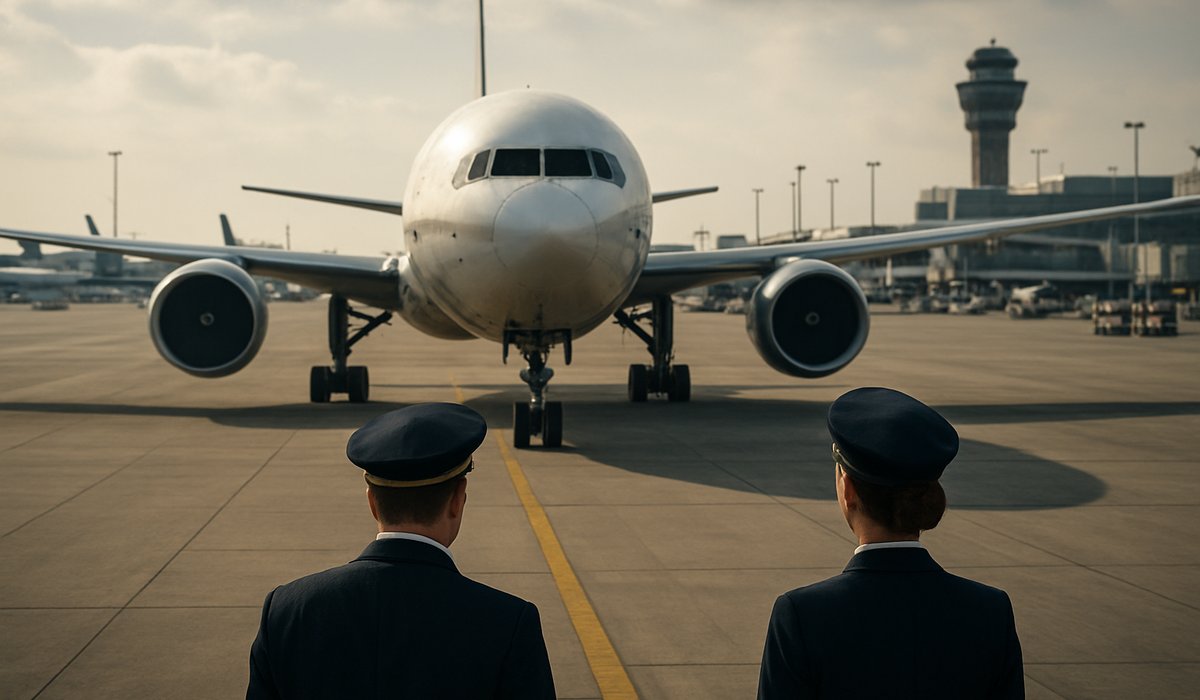
Image generated by AI
America's Busiest Airport Relying on Outdated Air Traffic Control Software as System Modernization Lags
Chicago O'Hare's aging technology infrastructure raises concerns about operational efficiency and safety as aviation demand surges
Legacy Systems Strain Under Peak Traffic
Chicago O'Hare International Airport, which processed 857,392 aircraft movements in 2025—making it the busiest U.S. airport by flight volume—continues to depend on air traffic control software that predates the smartphone era by years. The revelation underscores a critical vulnerability in America's aviation infrastructure as passenger numbers and flight operations reach unprecedented levels.
While Hartsfield-Jackson Atlanta International Airport claims the title of America's busiest hub by passenger volume, welcoming 106.3 million travelers annually, O'Hare's operational intensity presents a distinct challenge. With daily takeoffs and landings far exceeding Atlanta's 805,268 movements, the Chicago facility manages one of the world's most congested airspace corridors—all on antiquated technology.
The Technology Gap
The air traffic management systems currently operational at O'Hare were engineered during the mid-2000s, fundamentally unchanged as aviation has transformed dramatically. The software was designed for substantially lower traffic volumes and lacks the adaptive capabilities required for modern airport operations, including real-time data integration, predictive analytics, and automated conflict resolution that contemporary systems provide.
This technological lag creates cascading effects throughout airport operations. Controllers face reduced situational awareness, increased manual coordination demands, and higher cognitive workload during peak traffic periods. The system's inability to leverage contemporary data processing capabilities limits the airport's capacity to optimize flight sequencing, reduce delays, and enhance safety margins.
Broader Industry Implications
The situation at O'Hare reflects a systemic challenge across major U.S. transportation infrastructure. Federal Aviation Administration modernization initiatives have progressed slower than anticipated, with budgetary constraints and competing priorities delaying comprehensive system upgrades. Meanwhile, aviation demand continues accelerating, creating an expanding gap between infrastructure capability and operational requirements.
Industry experts warn that postponing modernization investments amplifies risks during high-demand periods, potentially contributing to operational inefficiencies, flight delays, and safety concerns. Modern air traffic control systems employed at leading international airports demonstrate measurable improvements in throughput, safety protocols, and passenger experience.
Path Forward
Airport authorities and federal regulators acknowledge the urgency of upgrading Chicago O'Hare's technological backbone. Comprehensive modernization programs require substantial capital investment and coordination across multiple stakeholders, but delaying action increasingly threatens operational reliability as global aviation continues its upward trajectory.
FAQ: Air Traffic Control Technology and Airport Operations
Q: How does outdated air traffic software impact passenger delays? A: Legacy systems reduce optimization efficiency, limiting the airport's ability to sequence flights dynamically, resulting in longer ground times and cascade delays throughout the network.
Q: Is flying less safe with older air traffic control systems? A: While safety remains a priority through human oversight, modern systems provide enhanced conflict detection and resolution capabilities that legacy software cannot replicate.
Q: Which U.S. airports have upgraded their air traffic management systems? A: Several major hubs have implemented NextGen technologies, though comprehensive nationwide modernization remains incomplete.
Q: How much does airport modernization typically cost? A: Major air traffic control system upgrades range from hundreds of millions to several billion dollars depending on facility size and complexity.
Q: Why hasn't O'Hare upgraded its systems sooner? A: Budget allocation challenges, competing infrastructure priorities, and coordination complexity between airport operators and federal agencies have delayed implementation timelines.
Related Travel Guides
Flight Delay Compensation Guide 2026
Understanding Airline Route Changes
Airport Security Process Updated (2026)
External Resources
Disclaimer
This article is for informational and educational purposes only. It does not constitute legal, financial, or professional advice. While we strive to provide accurate and up-to-date information, travel policies, regulations, and conditions change rapidly. Always verify information with official sources before making travel decisions. Nomad Lawyer makes no representations about the accuracy, reliability, completeness, or suitability of the information provided. Readers should consult qualified professionals for advice specific to their circumstances. The views expressed in this article are those of the author and do not necessarily reflect the views of Nomad Lawyer.
Raushan Kumar
Founder & Lead Developer
Full-stack developer with 11+ years of experience and a passionate traveller. Raushan built Nomad Lawyer from the ground up with a vision to create the best travel and law experience on the web.
Learn more about our team →