
Where to Stay in Montenegro 2026: Best Bases, Car-Free Areas, and Hotel Prices Compared
Compare Kotor, Budva, Tivat, Perast, and Ulcinj to find the best Montenegro base for your 2026 trip, including car-free options and hotel prices.

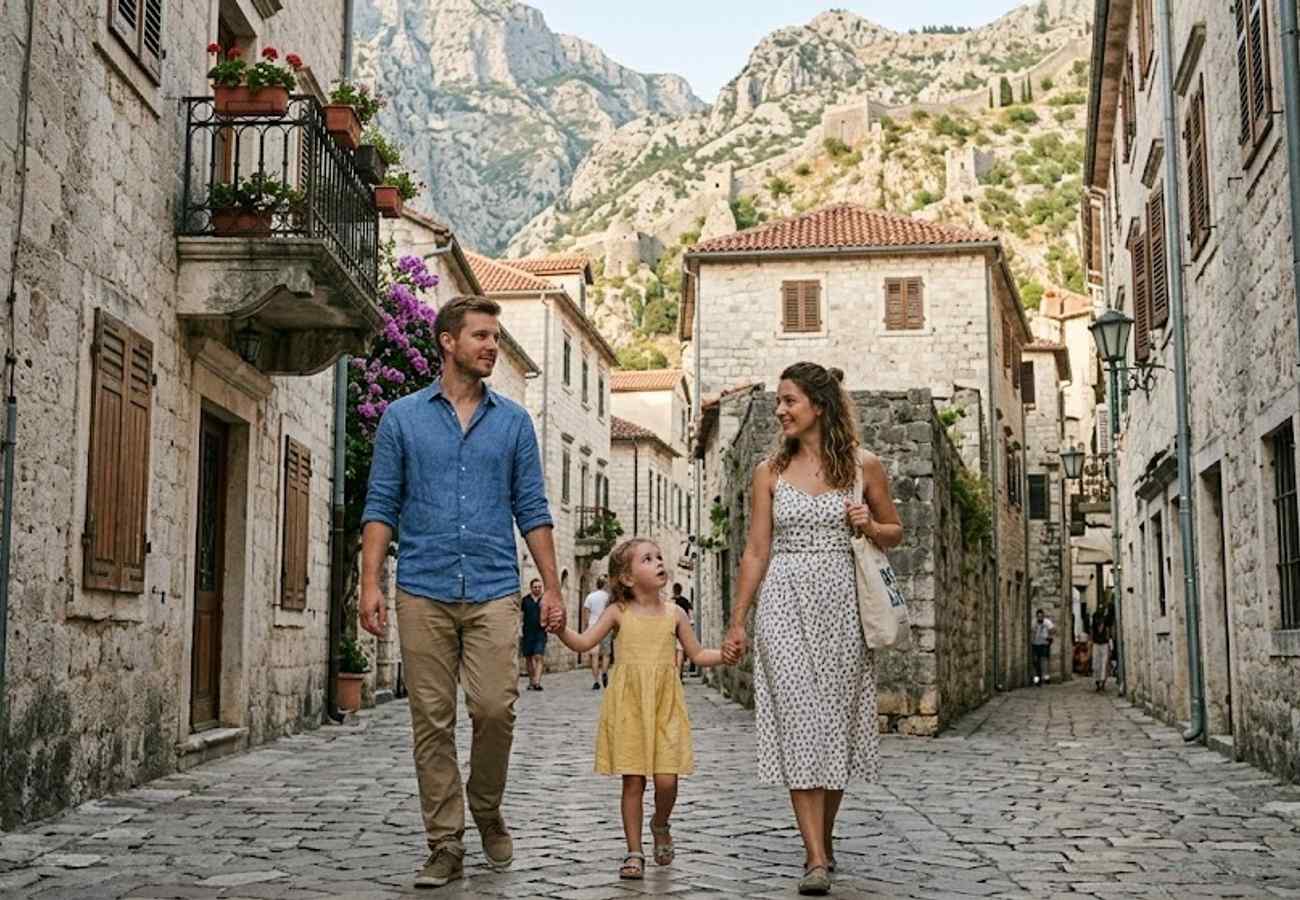
Image generated by AI
Montenegro’s short distances hide stark contrasts, from Kotor’s medieval walls to Ulcinj’s endless sand. Choosing the right base dictates your budget, transport needs, and overall trip experience.
Choosing where to stay in Montenegro shapes everything about your trip. Distances are short, but the feel of each town is very different, from Kotor’s medieval walls and Budva’s busy nightlife to sleepy Perast and the mountain air of Žabljak. This guide compares the main coastal and inland bases, highlights car-free friendly options, and gives real-world examples of what you can expect to pay, how easy it is to get around, and who each place suits best.
Kotor and the Bay: Atmosphere and Car-Free Charm
Kotor is Montenegro’s most atmospheric base, a UNESCO-listed old town ringed by mountains at the end of the Bay of Kotor. Inside the walls you walk everywhere: stone lanes, small squares and hundreds of steps up to the fortress. In peak summer the old town is busy with cruise ship day-trippers, but early mornings and evenings feel magical. Many travelers choose a two or three night stay here, then move on to a beach town for a different side of the coast.
Accommodation inside Kotor’s walls is mostly boutique guesthouses and apartments carved into old stone buildings, with limited space and higher demand. In July and August, a good midrange double inside the old town typically starts around 90 to 130 euros per night, while characterful options can climb well above 200 euros. Just outside the gates and around the bay in areas like Dobrota or Muo, simple waterfront rooms and apartments can be 20 to 30 percent cheaper than similar quality in the old town, especially if you book a few months ahead.
For a partly car-free stay, Kotor works well. The bus station is only a short walk from the old town, with regular services along the coast to Budva, Tivat and Herceg Novi, and onward connections to Podgorica and Cetinje. From Kotor you can take boat trips directly from the waterfront to small swimming spots and nearby villages, so you do not necessarily need a car for a short coastal holiday. The main limitation is that the town does not have a true city beach, only narrow swimming jetties and small patches of pebbles along the bay.
If you want the bay scenery but even more tranquility, consider staying in Dobrota, Prčanj or Muo rather than inside the walls. In these waterfront villages you will find family-run apartments where a studio with a balcony and sea view can start around 60 to 80 euros in high season. You can still reach Kotor by local bus or taxi in 10 to 20 minutes, but you escape the cruise crowds and have quieter swimming spots almost at your doorstep.
Budva and the Riviera: Nightlife and Big-Resort Energy
Budva is Montenegro’s main beach and nightlife hub, set roughly in the middle of the coast. The compact old town sits on a small peninsula, but most hotels and apartments are spread along the long town beach and the modern streets behind it. If your priority is being able to walk from your accommodation to a sandy or pebbly beach in a few minutes, or you want bars and clubs open late, Budva is usually the best base.
Prices in Budva span a wide range. In summer, basic studios a short walk behind Slovenska Plaža beach can start around 50 to 70 euros per night, while large seafront hotels and brand-name properties easily reach 180 to 300 euros and above, especially in August. South of town, the linked resorts of Bečići and Rafailovići offer long, wide beaches and a high concentration of midrange package-style hotels, often slightly cheaper than staying right by Budva’s old town. This makes them a strong choice for families or couples who want a beach holiday feel with straightforward bus or taxi access into Budva for an evening out.
Budva’s nightlife is the strongest on the Montenegrin coast. Expect busy cocktail bars in and around the old town, open-air clubs along the waterfront and summer festival stages that run into the early hours. This also means noise and traffic in July and August. If you want to sleep earlier, look for accommodation either in Bečići, which feels more resort-like and slightly calmer, or on the quieter uphill streets above the old town where you gain views and lose some of the late-night sound.
For a mostly car-free beach stay, Budva and its nearby resorts work particularly well. The coastal M-1 highway links Budva with Kotor, Bar and Ulcinj, and there are frequent local buses in both directions. From Budva you can hop on boat taxis to small nearby islands and coves, or take organized day trips inland to Cetinje or Lovćen National Park without hiring a car. The main trade-off is that the town feels busy and built up, especially compared with the quieter villages around the Bay of Kotor.
Tivat, Perast and Herceg Novi: Bayside Alternatives
Tivat sits on the Bay of Kotor close to an international airport, making it practical for late-night or early-morning flights. The town has developed around a modern marina lined with polished promenades, cafés and upscale hotels and apartments. Stays here tend to appeal to travelers who prefer contemporary comfort and easier parking over medieval charm. In high season, a modern one-bedroom apartment within walking distance of the marina often starts around 80 to 120 euros per night, with luxury hotels considerably higher.
Although there is some small-town beach access around Tivat, most visitors use it as a base for exploring the bay rather than as a pure beach destination. Regular buses connect Tivat to Kotor in around half an hour, and you can also use taxi boats and organized bay cruises. Without a car, Tivat works reasonably well thanks to its compact waterfront and airport proximity, but compared with Kotor there is less historic atmosphere and a slightly more resort-like feel.
Perast, on the opposite side of the bay from Kotor, is one of Montenegro’s most romantic villages. It is essentially a single waterfront street of stone palaces and churches, facing two small islets with famous churches on them. Accommodation here is limited and tends to be small guesthouses and boutique hotels. Prices are similar to or slightly above Kotor for rooms with direct sea views, and availability can be tight in July and August. Many travelers now treat Perast as a half-day trip from Kotor or Dobrota, but if you stay overnight you get the quiet evenings and early mornings that day-trippers miss.
Herceg Novi sits near the Croatian border at the outer entrance to the Bay of Kotor. It has a layered old town on the hill and a long, mainly pedestrian waterfront promenade that stretches along several small beaches and swimming platforms. Because it is slightly removed from the main cruise ship routes and the densest resort development, Herceg Novi often feels more laid-back and local than Budva or central Kotor Bay. Midrange apartments or guesthouses within a short walk of the promenade can often be found from around 60 to 90 euros in high season, sometimes less outside peak August.
Ulcinj and the Southern Coast: Long Beaches and Lower Prices
Ulcinj, in the far south near the Albanian border, offers a very different feel from the central Montenegrin coast. The old town sits on a rocky headland, while below it stretch city beaches that eventually give way to Velika Plaža, a famous sandy beach that runs for many kilometers. This makes Ulcinj one of the best options in the country for travelers who prioritize long, relatively undeveloped stretches of sand over dramatic mountain scenery.
Because Ulcinj is farther from the busiest hubs and major airports, nightly prices here are often lower than in Budva or Kotor for comparable accommodation. In high season, simple apartments near the town beach or on the slopes below the old town can start around 40 to 60 euros per night, with seafront hotels and newer resorts closer to Velika Plaža priced higher but still typically under the rates found on the Budva Riviera. The trade-off is that journey times to the Bay of Kotor are longer, and bus connections, while present, are less frequent and slower than coastal hops between Budva, Kotor and Bar.
For car-free travelers, Ulcinj can work if you are mainly interested in staying put by the beach. Local taxis and small shuttle buses serve the long beach, and there are simple beachfront cafés, kite-surfing schools and seasonal beach clubs dotted along the sand. However, if you want to use Ulcinj as a base for frequent day trips back up the coast to places like Kotor, Perast or Tivat, the transit times will eat into your daily schedule.
Montenegro Accommodation Comparison
| Base | High Season Price Range (per night) | Best For | Car-Free Friendliness |
|---|---|---|---|
| Kotor (Old Town) | 90 to 130 euros (midrange), >200 euros (premium) | History, atmosphere, short coastal trips | High (buses, boats) |
| Dobrota, Prčanj, Muo | 60 to 80 euros (studio with sea view) | Quieter bay scenery, swimming | Moderate (bus/taxi to Kotor) |
| Budva | 50 to 70 euros (basic), 180 to 300+ euros (seafront) | Nightlife, beaches, resort energy | High (frequent coastal buses) |
| Bečići / Rafailovići | Slightly cheaper than Budva old town | Families, package-style beach holidays | High (easy access to Budva) |
| Tivat | 80 to 120 euros (modern 1-bed) | Marina comfort, airport proximity | Moderate (buses, taxi boats) |
| Perast | Similar to or slightly above Kotor | Romantic village vibe, quiet evenings | Low-Moderate (limited accommodation) |
| Herceg Novi | 60 to 90 euros | Laid-back local feel, promenades | Moderate (pedestrian waterfront) |
| Ulcinj | 40 to 60 euros (simple apartments) | Long sandy beaches, budget stays | Low-Moderate (less frequent buses) |
Key Takeaways
- Kotor offers the strongest historical atmosphere and car-free charm, but lacks a true city beach.
- Budva is the hub for nightlife and beach access, with prices ranging from 50 euros for basic studios to over 300 euros for seafront hotels.
- Staying just outside Kotor in villages like Dobrota or Muo can save 20 to 30 percent while offering better swimming spots.
- Ulcinj provides the best long sandy beaches and the lowest prices (40 to 60 euros), but is less practical for frequent day trips up the coast.
- Tivat serves as a modern, convenient base near the airport, with 1-bedroom apartments starting at 80 to 120 euros.
Frequently Asked Questions
Is Montenegro easy to travel without a car? Yes, coastal hubs like Kotor, Budva, and Tivat are well-connected by frequent local buses and boat taxis. However, reaching more remote areas or making frequent day trips from southern towns like Ulcinj can be time-consuming without a vehicle.
When is the most expensive time to visit Montenegro? July and August are peak season. During these months, prices in popular areas like Kotor and Budva reach their highest points, and availability can be tight.
Which town is best for a quiet beach holiday? Bečići and Rafailovići offer wide beaches and a slightly calmer, resort-like feel compared to Budva, while Herceg Novi provides a laid-back promenade and small beaches away from the main cruise routes.
[Choosing the right base in Montenegro ensures your trip matches your budget, travel style, and transportation preferences perfectly.]
Related Travel Guides
Disclaimer
This article is for informational and educational purposes only. It does not constitute legal, financial, or professional advice. While we strive to provide accurate and up-to-date information, travel policies, regulations, and conditions change rapidly. Always verify information with official sources before making travel decisions. Nomad Lawyer makes no representations about the accuracy, reliability, completeness, or suitability of the information provided. Readers should consult qualified professionals for advice specific to their circumstances. The views expressed in this article are those of the author and do not necessarily reflect the views of Nomad Lawyer.
Raushan Kumar
Founder & Lead Developer
Full-stack developer with 11+ years of experience and a passionate traveller. Raushan built Nomad Lawyer from the ground up with a vision to create the best travel and law experience on the web.
Learn more about our team →