
When to Visit Bora Bora for Sunshine, Savings, and Whale Adventures (2026)

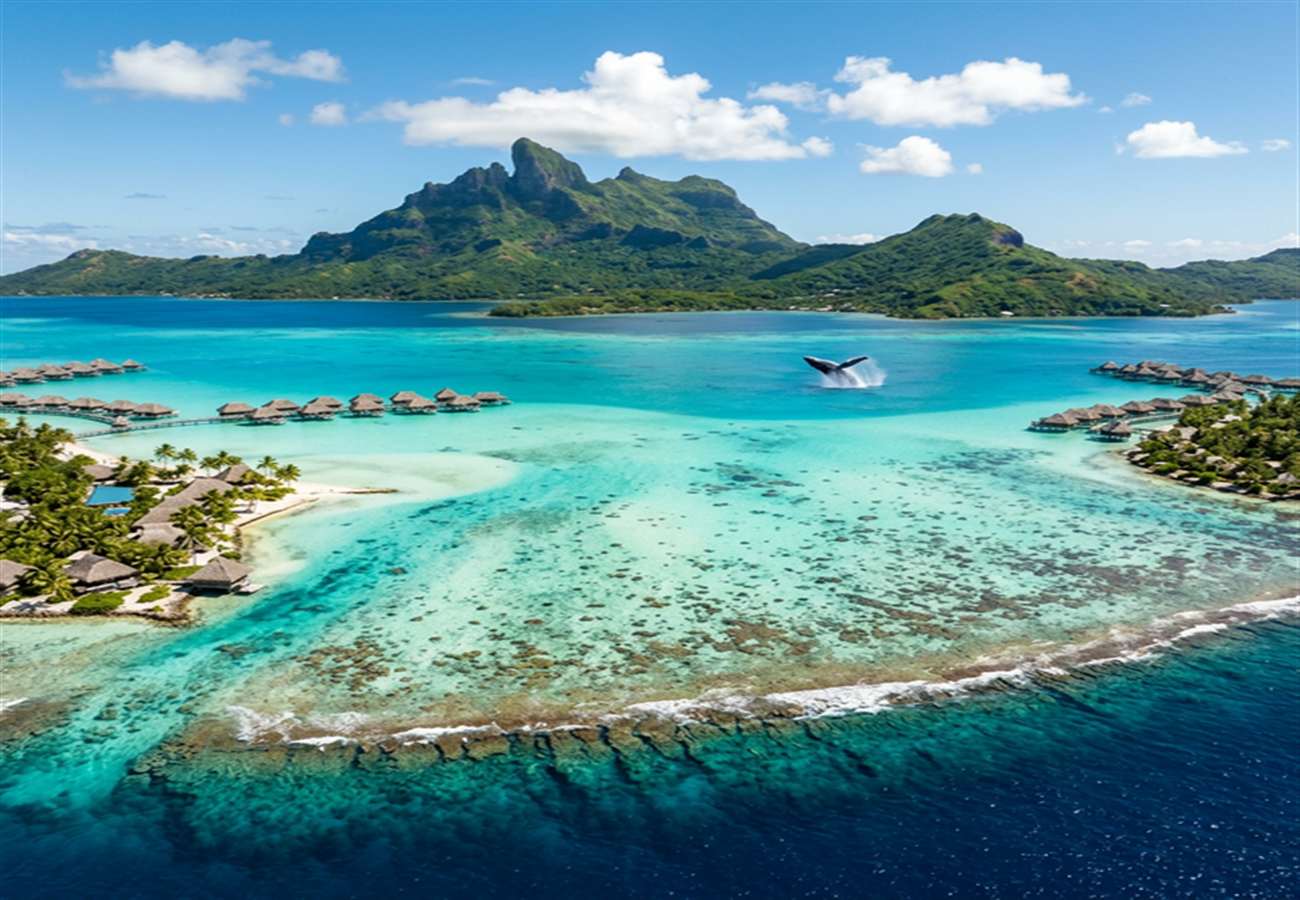
Image generated with AI
Floating in the center of the South Pacific, Bora Bora is the physical manifestation of a postcard. With its jagged emerald peaks and a lagoon so blue it feels filtered in real-time, this island remains the ultimate bucket-list destination for 2026. But for many travelers, the dream of an overwater bungalow is often met with two daunting questions: "How do I avoid the rain?" and "How do I afford it?"
In 2026, the travel landscape in French Polynesia has become more nuanced. Between the shifting global climate affecting traditional rainy seasons and the surge in interest for wildlife-centric tourism, timing is everything. Whether you are chasing 300 days of sunshine or score a resort for half the price, here is your definitive guide to timing your 2026 stay.
The Sunshine Window: May to October (Dry Season)
If your absolute priority is that iconic "Bora Bora Blue" sky without a cloud in sight, the dry season—running from May to October 2026—is your gold standard. This window offers the lowest humidity and the most consistent sunshine.
Reddit: "If you are going for your honeymoon and only have one shot at this, go in June or September. The trade winds (called the Mara’amu) keep the air fresh, and the water clarity for snorkeling is at its peak. You’ll pay more, but you won't spend your week staring at the rain from inside your bungalow."
Inside this window, May and June are often cited by locals as the "perfect" months. The vegetation is still lush from the preceding wet season, but the rain has largely vanished. However, be aware that July and August are peak tourist months due to European and North American school holidays. Expect the highest prices and the most crowded boat tours during this time.
The Savings Strategy: November to April (Wet Season)
For the budget-conscious traveler, the period from November to April represents the best opportunity to experience Bora Bora without a celebrity's bank account. This is the southern hemisphere's summer, characterized by higher heat and humidity.
While it is called the "wet season," it rarely means it rains all day. Instead, you'll experience dramatic, heavy tropical downpours that last for 30 minutes, followed by brilliant sunshine. In 2026, many high-end resorts are offering "Low Season" packages that can include free nights or significant room upgrades.
Quora: "Don't be afraid of February in Bora Bora. We stayed at the Four Seasons for 40% less than the summer rate. It rained every afternoon for a bit, but it was actually a nice break from the heat. Plus, the island felt quiet and private, unlike the zoo it becomes in July."
The Hybrid Choice: Shoulder Seasons (April and November)
If you want the best of both worlds—lower prices and decent weather—the shoulder months of April and November 2026 are your secret weapons. These represent the transition periods between the wet and dry seasons.
In April, the rains are tapering off, and the island is incredibly green. In November, the whales are often still in the lagoon, but the high-season crowds have departed. These months are the sweet spot for travelers who are flexible with their dates and want to maximize the value of their French Polynesian Francs.
Whale Adventures: The Humpback Migration (July 20 – November 20, 2026)
One of the most transformative experiences you can have in Bora Bora is witnessing the humpback whale migration. Every year, these gentle giants travel thousands of miles from the Antarctic to the warm, protected waters of French Polynesia to mate and give birth. This is not just a tour; it is a profound lesson in marine biology and environmental stewardship.
In 2026, the official whale-watching season is slated for July 20th through November 20th. While sightings can occur as early as late June, the most successful months for boat tours and the rare opportunity to swim with them are August, September, and October. During these peak months, the water temperature is a comfortable 26°C (79°F), and the whales are at their most active.
Pinterest: "Swimming with whales in Bora Bora isn't like a Disney ride. It’s raw, emotional, and requires extreme patience. You can spend four hours on a boat and never see a tail, or you can have a mother and calf approach your group within minutes. Just make sure you book a licensed 'ecotourism' operator that respects the 2025/2026 proximity regulations to ensure these animals keep coming back."
New for 2026: Regulations surrounding whale encounters have tightened significantly. Swimmers must maintain a strict 15-meter (50-foot) distance from the whales at all times. Tour groups are now strictly limited to 7 people in the water at once, plus a guide. These measures are designed to prevent the whales from being stressed or harassed. Because of these new capacity limits, booking your tour 6-8 months in advance for the peak September window is no longer a suggestion—it’s a necessity.
Cultural Highlight: The 2026 "Heiva i Bora Bora"
For the traveler seeking more than just a beach, the Heiva i Bora Bora festival is a cultural must. This annual celebration of Polynesian life, song, and dance typically takes place throughout July. In 2026, the festival is expected to be particularly grand as part of a multi-year effort to revitalize traditional local arts across the islands.
The Heiva is a sensory explosion. You’ll witness intense stone-lifting competitions, traditional outrigger canoe races, and spectacular dance performances where the costumes are made entirely from natural fibers like coconut husk and banana leaves. The rhythmic drumming and the sheer athletic power of the dancers provide a powerful contrast to the serene luxury of the resorts.
Reddit: "If you can, try to time your trip for the final week of the Heiva. The energy in Vaitape is incredible. You can buy authentic island crafts and eat at local 'roulottes' (food trucks) for a fraction of what you'd pay at the hotel. It’s the one time of year when the island feels 100% focused on its own heritage rather than on tourism."
2026 Logistics for a Flawless Trip
- Book Your Overwater Bungalow Early: For the dry season (May–October), 10–12 months in advance is the standard lead time for the most popular resorts like the Conrad Bora Bora Nui or the InterContinental Thalasso. For the wet season, you can often find last-minute "flash deals" just 2–3 months out.
- The "Apetahi Express" Revolution: While everyone used to fly between the islands, the Apetahi Express ferry is becoming the local's preferred way to move between Tahiti, Huahine, Raiatea, and Bora Bora. It takes longer than a flight, but the deck views are unbeatable, and it’s a significantly more sustainable way to travel in 2026.
- Sunset vs. Sunrise Views: When selecting your specific bungalow room number, check if it faces Mount Otemanu. A "Mountain View" bungalow is almost always more expensive than a "Lagoon View," but the sight of the sun setting behind the peak is a memory that justifies the premium.
- Sustainable Sunscreen is Mandatory: French Polynesia has some of the strictest coral protection laws in the Pacific. In 2026, many boat operators will check your sunscreen to ensure it is "reef-safe." Look for non-nano zinc oxide formulas to avoid a fine or a refusal to let you in the water.
Bora Bora is more than just a luxury destination; it is a sanctuary of nature. Whether you are there to watch the sun dip below the horizon from your private deck in June, or to hear the haunting song of a humpback whale in September, the island will change your perspective on what "paradise" really means.
The turquoise waters are calling in 2026—make sure you arrive at the perfect moment.
Related Travel Guides
The Best Time to Visit Hawaii in 2026, According To Reddit
The 10 Best Overwater Bungalows in the World for Every Budget
The Best Time to Visit Fiji for Weather and Diving, According To Reddit
Disclaimer
This article is for informational and educational purposes only. It does not constitute legal, financial, or professional advice. While we strive to provide accurate and up-to-date information, travel policies, regulations, and conditions change rapidly. Always verify information with official sources before making travel decisions. Nomad Lawyer makes no representations about the accuracy, reliability, completeness, or suitability of the information provided. Readers should consult qualified professionals for advice specific to their circumstances. The views expressed in this article are those of the author and do not necessarily reflect the views of Nomad Lawyer.
Raushan Kumar
Founder & Lead Developer
Full-stack developer with 11+ years of experience and a passionate traveller. Raushan built Nomad Lawyer from the ground up with a vision to create the best travel and law experience on the web.
Learn more about our team →