
Emirates, Qatar Airways, and Qantas Scramble for Slots as Australia Unveils Massive Remote Airport in Sydney to Combat Global Travel Chaos: Latest Airline News
Australia's multi-billion-dollar Western Sydney International Airport promises 24/7 operations to help airlines like Qantas and Emirates bypass severe airport disruptions and travel chaos.

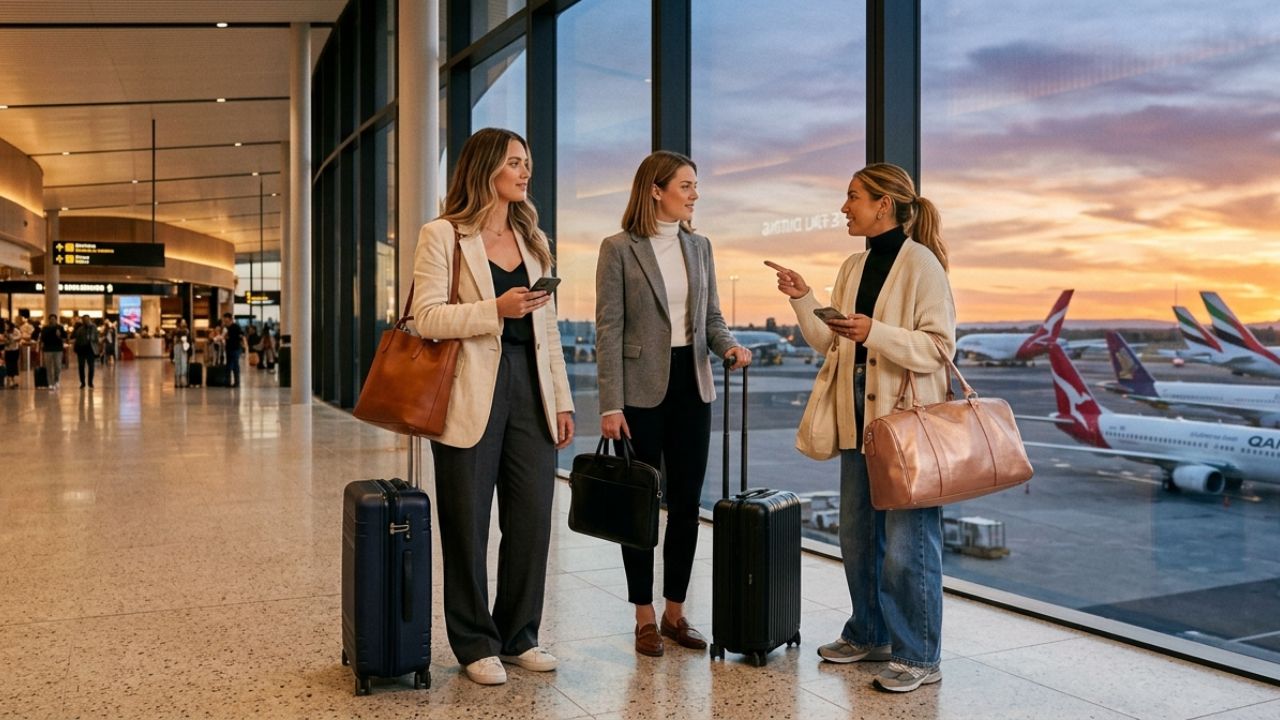
Image generated by AI
While legacy transit hubs across the globe buckle under the immense pressure of severe flight cancellations and rampant travel chaos, Australia is aggressively executing one of the boldest aviation megaprojects of the entire decade. Delivering massive airline news, the Australian government is rapidly completing a highly strategic "Remote Airport" designed to completely reshape global airline strategy. Though physically distant from Sydney’s heavily congested central business district, the new Western Sydney International Airport is currently drawing unprecedented, massive interest from international heavyweights, including Emirates, Qatar Airways, and Qantas. By offering an incredible 24/7, curfew-free operational model, this massive infrastructure pivot acts as a permanent solution to the horrifying airport disruptions that consistently plague legacy airports, fundamentally redesigning how global passengers will access the Asia-Pacific region.
Escaping the Congestion: Australia’s Billion-Dollar Gamble
The new Western Sydney International Airport—frequently referenced in elite aviation circles as Australia’s absolute headline “Remote Airport”—is exponentially more than just a massive stretch of concrete runway. Set to officially open for commercial passenger flights in late 2026, this sprawling travel hub operates as a highly strategic gateway specifically designed to link Australia to the wider world without the terrifying limitations of urban gridlock.
The absolute crown jewel of this massive infrastructure project is its 24/7 operational capability. Unlike traditional, city-bound airports that are violently restricted by strict nighttime curfews, Western Sydney will process flights around the clock. This specific feature has generated massive excitement among airline executives, triggering a frantic scramble for highly coveted landing slots. When massive weather systems or catastrophic air traffic control failures trigger a devastating wave of flight cancellations globally, having a 24-hour landing zone allows international carriers to legally land off-schedule, effectively eliminating the massive logistical nightmare of diverting aircraft to entirely different states.
Airport Profiles: The Legacy vs. The Remote Hub
To fully comprehend why this project is violently altering the trajectory of Australian aviation, it is critical to execute a section-wise breakdown comparing the new remote hub against the legacy infrastructure.
Sydney Kingsford Smith Airport (Legacy Hub)
Historically, Sydney’s primary legacy airport has struggled immensely with crippling urban constraints. Because it is physically boxed in by dense residential zones and the Pacific Ocean, physical expansion is mathematically impossible. Furthermore, strict noise curfews mean that any delayed international arrival after 11:00 PM is violently denied permission to land, forcing devastating, highly expensive diversions to Melbourne or Brisbane. This rigid structure frequently exacerbates nationwide travel chaos during peak holiday seasons.
Western Sydney International Airport (The Remote Hub)
Positioned strategically on the expansive outskirts of the metropolitan area, the new Remote Airport completely eliminates these terrifying legacy constraints. The facility boasts a massive, highly integrated terminal flawlessly designed to seamlessly handle both domestic and international operations under a single roof, violently reducing connection times. Furthermore, the massive geographic footprint provides virtually unlimited space for future runway expansions, massive cargo facilities, and cutting-edge freight logistics, establishing it as the absolute premier aviation asset in the Southern Hemisphere.
Project Details: By the Numbers
To fully grasp the massive scale, ambition, and explicit timeline of this incredibly strategic megaproject, the following mandatory table explicitly details the core features and operational targets of the new Remote Airport:
| Feature | Details |
|---|---|
| Name | Western Sydney International Airport |
| Operational Target | Passenger flights late 2026 |
| Design | Single integrated domestic & international terminal |
| Operational Hours | 24/7 without curfew |
| Major Airline Interest | Emirates, Qatar Airways, Qantas, others |
| Rail Link Investment | Planned high-speed rail connection |
| Regional Economic Impact | Thousands of jobs and billions in economic activity |
| Construction Milestones | Major terminal and runway packages completed |
Compiled using publicly available official reports and industry sources.
Passenger Impact: Ending the Era of Curfew-Driven Delays
For the everyday global traveler, the passenger impact of this massive Remote Airport is truly monumental. The terrifying reality of flying into heavily restricted legacy airports often involves immense anxiety; a minor delay departing London or Dubai can mathematically guarantee a curfew violation upon reaching Sydney, resulting in devastating, multi-day airport disruptions.
With Western Sydney operating 24/7, passengers can completely eradicate this fear. The ability to land at 2:00 AM completely changes the dynamic of ultra-long-haul travel, heavily reducing the intense scheduling pressures placed on connecting flights. While early critics aggressively questioned the airport's physical distance from the Sydney CBD, the massive potential for faster security processing, shorter taxiing times, and highly efficient baggage handling far outweighs the slightly longer commute. Furthermore, massive investments in a dedicated high-speed rail link and regional road networks are actively closing the geographical gap, ensuring that the traveler's ground transfer remains incredibly swift.
What This Means for Travelers: Actionable Advice
As airlines aggressively transition their massive A350 and B737 fleets into this new facility starting in late 2026, passengers must prepare to strategically leverage this new infrastructure:
- Target Off-Peak Arrivals: Utilize the 24/7 operations to book flights landing during the very early morning hours, securing cheaper fares and completely avoiding standard midday terminal congestion.
- Evaluate Ground Transport Options: Before booking, thoroughly research the highly anticipated high-speed rail connection to ensure your final destination in Sydney aligns with the new transit map.
- Embrace Single-Terminal Connections: Because the airport perfectly integrates domestic and international flights into a single massive building, passengers can safely book tighter connecting itineraries without fearing missed flights.
- Leverage New Airline Partnerships: Watch for aggressive new code-share agreements as carriers like Emirates and Qantas desperately feed passengers into this new curfew-free hub.
FAQ: Western Sydney International Airport 2026
When will Western Sydney International Airport officially open for commercial flights? The massive facility is heavily on track to officially commence commercial passenger flight operations in late 2026.
Which major airlines have committed to flying into the new Remote Airport? Global heavyweights including Qantas, Emirates, and Qatar Airways have expressed massive strategic interest, aggressively positioning themselves to secure vital landing slots.
How does this airport prevent global travel chaos? Because it legally operates 24/7 without terrifying noise curfews, airlines can safely land severely delayed flights off-schedule, completely preventing the devastating aircraft diversions that plague legacy airports.
Industry Analysis: Redrawing the Airline Route Map
From a macroeconomic and logistical perspective, the Remote Airport is a massive, game-changing asset for global trade and tourism. Aviation analysts confirm that the extra capacity for dedicated air freight operations instantly elevates Australia into a highly competitive global trade hub. Proximity to major freight corridors and future high-speed rail links guarantees that commercial cargo can bypass the heavily congested urban road networks surrounding legacy airports.
For international carriers, every single flight slot at Western Sydney is viewed as a highly strategic, incredibly valuable asset. The total lack of operational curfews allows airlines originating from the Middle East, Europe, or the Americas to meticulously schedule departures based entirely on their own hub efficiency, rather than being violently restricted by Australian noise regulations. This unprecedented flexibility will trigger a massive explosion of brand-new, ultra-long-haul direct routes connecting previously unlinked cities to the Australian continent.
Conclusion: A Paradigm Shift in Asia-Pacific Aviation
The impending 2026 launch of the Western Sydney "Remote Airport" represents a monumental, heavily anticipated paradigm shift in how global passengers access the Asia-Pacific region. By aggressively eliminating the terrifying curfew constraints that historically triggered devastating airport disruptions, Australia has flawlessly engineered a highly resilient, highly efficient aviation gateway. As massive carriers like Qantas and Qatar Airways frantically race to secure their strategic footprint, global travelers stand to reap massive benefits. Through drastically improved flight flexibility, seamless terminal integration, and heavily modernized transport links, this brilliant megaproject firmly establishes that remote, purpose-built infrastructure is the absolute future of international travel.
Key Takeaways
- 24/7 Operations: The new Western Sydney International Airport will operate around the clock without noise curfews, heavily protecting passengers from schedule-related flight cancellations.
- Late 2026 Launch: The massive facility is officially on target to commence passenger flights in late 2026.
- Global Airline Scramble: Major aviation giants including Emirates, Qatar Airways, and Qantas are aggressively moving to secure strategic landing slots.
- Seamless Transit: The airport features a highly integrated single terminal for both domestic and international operations, maximizing connection efficiency.
- Economic Explosion: The massive project is actively generating thousands of jobs and billions in economic activity, completely transforming the regional tourism landscape.
Related Travel Guides
Global Travel Chaos Ensues as Middle East Conflict Sends Jet Fuel Prices Soaring
Brussels Airlines Launches Critical Direct Route to Kilimanjaro
Australia Upgrades Passport Processing Systems to Combat Massive Summer Delays
Disclaimer
This article is for informational and educational purposes only. It does not constitute legal, financial, or professional advice. While we strive to provide accurate and up-to-date information, travel policies, regulations, and conditions change rapidly. Always verify information with official sources before making travel decisions. Nomad Lawyer makes no representations about the accuracy, reliability, completeness, or suitability of the information provided. Readers should consult qualified professionals for advice specific to their circumstances. The views expressed in this article are those of the author and do not necessarily reflect the views of Nomad Lawyer.
Kunal K Choudhary
Co-Founder & Contributor
A passionate traveller and tech enthusiast. Kunal contributes to the vision and growth of Nomad Lawyer, bringing fresh perspectives and driving the community forward.
Learn more about our team →