
Volaris Expands: 33 New Mexican Routes Before FIFA 2026
Volaris announces record expansion with 33 new routes across Mexico in March 2026, positioning the airline to capitalize on FIFA World Cup tourism and domestic travel demand ahead of the tournament.

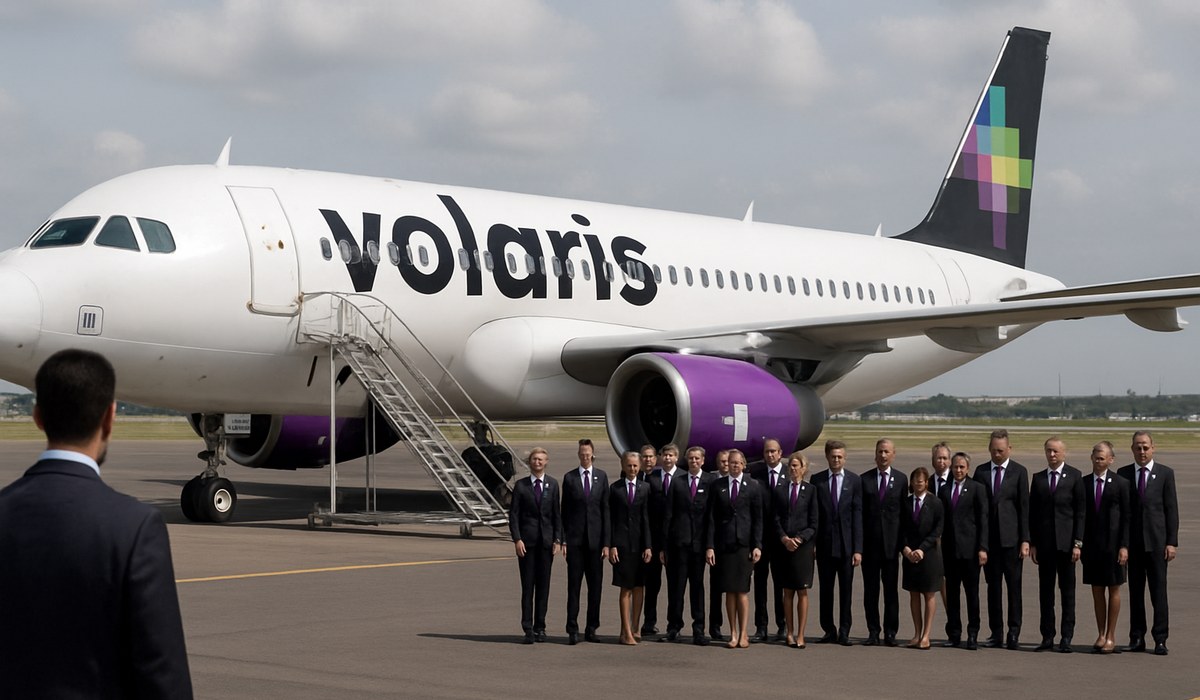
Image generated by AI
Volaris Launches Historic Route Network Expansion Ahead of FIFA World Cup 2026
Mexico's leading low-cost carrier Volaris has unveiled an unprecedented expansion strategy, introducing 33 new domestic and regional routes across Mexico in preparation for the 2026 FIFA World Cup. The announcement, made on March 26, 2026, represents the airline's largest single-phase route deployment in company history and signals confidence in Mexico's travel infrastructure and tourism potential during the global sporting event.
The Mexican-based airline, operating from its primary hub at Mexico City International Airport (MEX/BENITO JUÁREZ), will deploy additional capacity to secondary and tertiary cities, enhancing regional connectivity and improving accessibility for World Cup visitors and domestic travelers.
Strategic Route Expansion Details
Volaris's 33-route expansion targets high-demand travel corridors across Mexico's most populated centers and tourist destinations. The carrier plans to integrate new routes serving:
- Northern Mexico hubs: Monterrey (MTY), Guadalajara (GDL), and Cancún (CUN)
- Coastal destinations: Puerto Vallarta (PVR), Los Cabos (SJD), and Mazatlán (MZT)
- Secondary cities: Querétaro (QRO), León (BJX), and Morelia (MLM)
- World Cup host cities: Regional connectors linking tournament venues
This geographic diversification directly supports FIFA World Cup logistics, enabling smoother passenger flows between match venues, accommodation centers, and transportation hubs. Multiple host cities—including Mexico City, Guadalajara, Monterrey, and Gómez Palacio—will benefit from enhanced air connectivity.
FIFA World Cup 2026: Travel Demand Catalyst
The timing of Volaris's expansion aligns precisely with World Cup preparations. FIFA 2026 will see approximately 1.5 million international tourists visiting Mexico, with an estimated 4+ million domestic travelers attending matches and supporting events. Airlines operating domestic networks must increase capacity by 20–40% to accommodate this surge.
Volaris's decision to introduce 33 routes ahead of tournament play positions the carrier as a primary transportation backbone for World Cup logistics. Analysts project the airline could absorb 8–12% of World Cup-related passenger traffic through its expanded network.
| Route Category | Estimated New Routes | Primary Hubs | Expected Growth |
|---|---|---|---|
| Northern Mexico Corridors | 10–12 routes | Monterrey, Guadalajara | 25–30% |
| Coastal Connections | 8–10 routes | Cancún, Puerto Vallarta | 20–28% |
| Secondary City Links | 8–10 routes | Querétaro, León | 18–22% |
| World Cup Venue Connectors | 3–5 routes | Gómez Palacio, San Luis Potosí | 35–45% |
Operational Impact on Mexican Aviation
Volaris's expansion requires substantial capital investment in aircraft procurement, crew training, and airport infrastructure agreements. The airline has signaled its commitment to:
- Fleet deployment: Additional Airbus A320 and A321 aircraft (narrow-body jets optimized for regional service)
- Staffing expansion: Hiring and training 500+ flight attendants and ground crew
- Ground infrastructure: Enhanced baggage handling, ticketing, and passenger facilities at secondary airports
- Scheduling optimization: Coordinated timing to maximize load factors and minimize aircraft idle time
Mexico's civil aviation authority (Agencia Federal de Aviación Civil – AFAC) has approved all 33 new route authorizations, prioritizing infrastructure that supports World Cup transportation objectives.
Competitive Positioning in Mexican Aviation
Volaris operates within Mexico's oligopolistic airline market, competing directly with Aeromexico, Viva Aerobus, and United Airlines' Mexico City hub. The carrier's March 2026 expansion underscores its strategy to capture market share in underserved regional routes where competitors maintain limited presence.
This move solidifies Volaris's position as Mexico's largest domestic airline by route count, with network coverage exceeding 50 cities across Mexico and the United States.
Passenger Benefits and Fare Strategy
Industry observers expect Volaris to employ competitive pricing on new routes, particularly for World Cup-adjacent travel periods (May–July 2026). The airline's low-cost model typically offers:
- Base fares: 20–35% lower than full-service carriers
- Bundled options: À la carte add-ons (checked baggage, seat selection, priority boarding)
- Dynamic pricing: Real-time fare adjustments based on demand
Passengers booking new Volaris routes during the World Cup season should monitor FlightAware for fare alerts and monitor the airline's official website for promotional codes.
Traveler Action Checklist
If you plan to use Volaris's expanded network during the 2026 FIFA World Cup period, follow these essential steps:
- Book flights early (6–8 weeks in advance) to secure competitive fares on new routes; World Cup demand drives prices upward post-April 2026
- Verify IATA codes for your origin and destination airports using IATA's official airport directory to prevent booking errors on newly launched routes
- Register for alerts on FlightAware to track real-time delays, cancellations, and schedule changes on your specific flights
- Review Volaris's baggage policies beforehand—low-cost carriers typically charge for checked luggage; budget accordingly
- Confirm your airport arrival time—newly launched routes may use less familiar terminals; arrive 3 hours early for domestic connections
- Understand your passenger rights under Mexican law and IATA standards by reviewing the U.S. Department of Transportation's Consumer Protections guide, which applies to international carriers
- Download your airline confirmation (booking reference and receipt) and store both digital and printed copies for check-in and potential dispute resolution
Regional Airport Infrastructure Readiness
Secondary and tertiary Mexican airports receiving new Volaris service must upgrade facilities to handle increased traffic. Capacity improvements underway include:
- Runway maintenance: Enhanced taxiway markings and equipment at Monterrey (MTY) and Guadalajara (GDL)
- Terminal expansion: New ticketing counters and security lanes at secondary airports
- Ground support: Additional baggage carts, fuel hydrants, and aircraft parking positions
The Mexican government has allocated federal infrastructure funds to expedite airport readiness ahead of World Cup operations.
Safety and Regulatory Compliance
Volaris maintains a strong safety record, with zero fatal incidents in its 14-year operational history (since 2012). All new aircraft conform to:
- FAA standards (though Volaris operates under Mexican CAA certification)
- ICAO Annex 8 requirements (airworthiness standards)
- EASA regulations where applicable (European inspection protocols for aircraft)
Passengers can verify Volaris's safety audit results and incident history via the FAA's safety database and the airline's published safety reports.
Economic Impact on Mexico's Travel Sector
The airline's expansion is projected to generate:
- $450–600 million in direct airline revenue (new routes)
- $1.2–1.8 billion in indirect tourism spending (hotel bookings, dining, attractions)
- 8,000–12,000 new jobs (airport staff, hospitality, transportation)
- 15–20% increase in passenger movements through participating airports
This expansion positions Mexico's aviation sector to efficiently serve World Cup spectators and distribute tourist flows beyond Mexico City, reducing congestion at the nation's largest airport.
Frequently Asked Questions
Q: Which airports will receive the most new Volaris routes?
A: Mexico City (MEX), Monterrey (MTY), Guadalajara (GDL), and Cancún (CUN) will receive the highest concentration of new routes, with secondary cities like Querétaro (QRO) and León (BJX) gaining enhanced connectivity.
Q: Can I book these new routes now?
A: Most routes opened for booking on March 26, 2026. Check Volaris's official website or contact the airline directly for availability on your preferred travel dates.
Q: Will ticket prices be lower on new routes?
A: Volaris typically prices competitively on new routes to build demand, though World Cup-period fares (May–July 2026) may command premiums due to heightened travel demand.
Q: What if my flight is cancelled due to airport congestion?
A: Under Mexican aviation law and U.S. DOT consumer protections, you have rights to rebooking or refunds. Document your communications with Volaris for potential compensation claims.
Q: Are these routes permanent or temporary for World Cup 2026?
A: Volaris has announced these as permanent additions to its network, though seasonal frequency adjustments may occur post-World Cup period.
Conclusion
Volaris's announcement of 33 new routes represents a transformative moment for Mexican regional aviation and establishes the carrier as the dominant domestic connectivity provider during the 2026 FIFA World Cup. This expansion enhances travel accessibility across Mexico, supports tournament logistics, and positions the nation's aviation sector for sustained growth beyond the global sporting event.
Travelers should act promptly to secure bookings on new routes while availability remains optimal and fares remain competitive. Use tools like FlightAware to monitor schedules and IATA resources to verify airport codes, ensuring a seamless travel experience on Mexico's rapidly expanding air network.
Disclaimer
This article is for informational and educational purposes only. It does not constitute legal, financial, or professional advice. While we strive to provide accurate and up-to-date information, travel policies, regulations, and conditions change rapidly. Always verify information with official sources before making travel decisions. Nomad Lawyer makes no representations about the accuracy, reliability, completeness, or suitability of the information provided. Readers should consult qualified professionals for advice specific to their circumstances. The views expressed in this article are those of the author and do not necessarily reflect the views of Nomad Lawyer.
Preeti Gunjan
Contributor & Community Manager
A passionate traveller and community builder. Preeti helps grow the Nomad Lawyer community, fostering engagement and bringing the reader experience to life.
Learn more about our team →