
Virginia Outperforms Tennessee, Colorado, and Arkansas as Leisure Travel Drives Historic US Tourism Spending in 2026

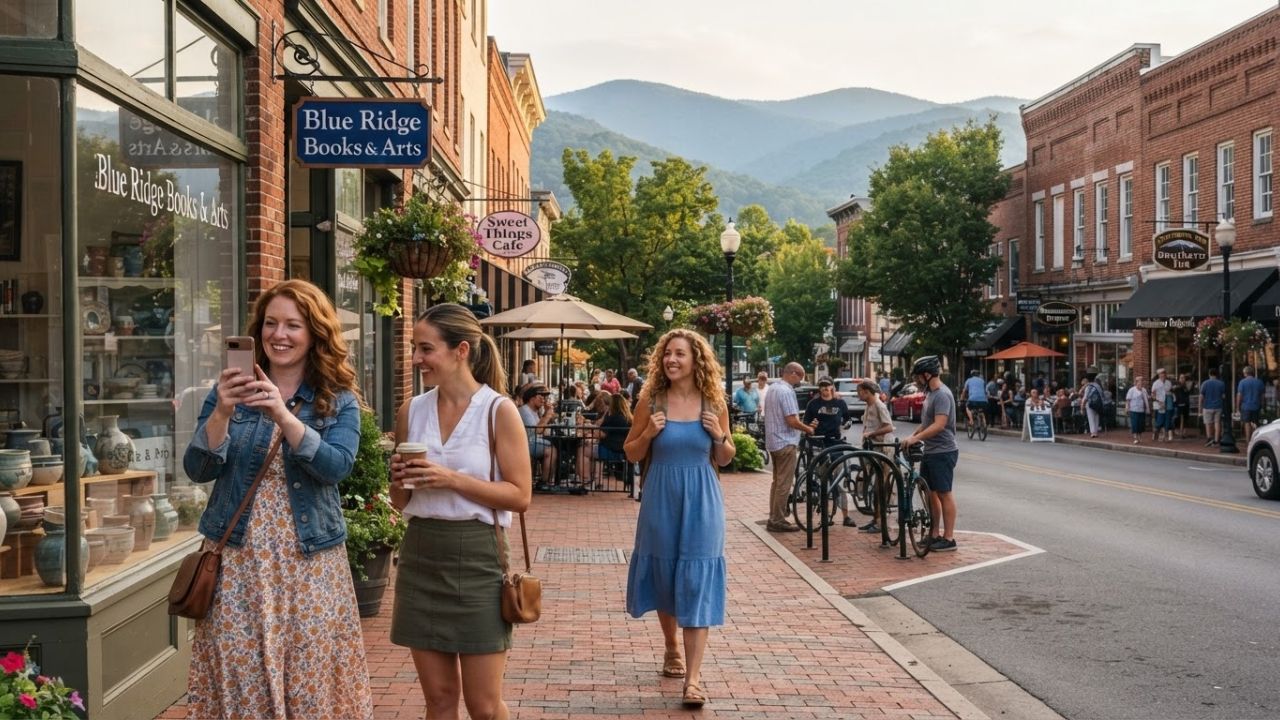
Propelled by an unprecedented surge in domestic leisure exploration that accounted for 90 percent of all overnight trips, Virginia generated a record-shattering $36.2 billion in visitor spending in 2025—outpacing premier travel powerhouses including Tennessee ($32.5 billion) and Colorado ($29.2 billion economic impact). As American travelers increasingly prioritize experiential value over generic sightseeing, official data from state tourism departments demonstrates how regional authenticity, culinary heritage, and outdoor recreation are reshaping the national travel economy.
The 2025 state economic results reveal a fundamental shift in how travelers allocate their discretionary vacations. While high-volume states like Arkansas welcomed a remarkable 54.3 million travelers but experienced a 0.9% dip in visitor spending to $10.2 billion, Virginia demonstrated how to maximize economic yield. By combining historic preservation, Appalachian trail networks, and coastal maritime communities like the Eastern Shore—which generated $267 million in visitor expenditure—the Commonwealth converted 46.6 million overnight visitors into $10.6 billion in local payroll and more than $2.6 billion in state and local tax revenue.
State Performance Matrix: How Virginia, Tennessee, Colorado, and Arkansas Compare
Official annual benchmarks released by the Virginia Tourism Corporation (VTC), the Tennessee Department of Tourist Development, the Colorado Tourism Office, and the Arkansas Department of Parks, Heritage and Tourism establish a clear comparative picture of the 2025 tourism year:
| State | Primary 2025 Economic Metric | Visitor Volume Reported | Employment & Tax Contribution | Primary Regional Travel Drivers |
|---|---|---|---|---|
| Virginia | $36.2 billion visitor spending (+3.1% YoY) | 46.6 million overnight visitors | Nearly 232,000 jobs; $10.6B payroll; >$2.6B taxes | Shenandoah Valley, Blue Ridge, Eastern Shore, culinary trails |
| Tennessee | $32.5 billion visitor spending (Record high) | Millions of domestic & international arrivals | Historic state employment and local tax generation | Nashville music tourism, Great Smoky Mountains, Dollywood |
| Colorado | $29.2 billion total economic impact | 96.8 million total visitors | 187,860 supported tourism jobs | Rocky Mountain skiing, high-altitude hiking, national parks |
| Arkansas | $10.2 billion visitor spending (-0.9% YoY) | Record 54.3 million visitors (+2.3M YoY) | Nearly 72,000 supported tourism jobs | The Natural State state parks, Buffalo National River, Ozark trails |
| Eastern Shore of VA | $267 million visitor spending (+2.1% YoY) | Regional coastal visitor segment | 1,857 local jobs; $10.7M municipal tax revenue | Barrier island wilderness, Chincoteague oysters, eco-kayaking |
In Virginia, visitor spending expanded by $1.1 billion (+3.1%) over 2024, marking its fourth consecutive year of record-setting expansion. On a daily basis, travelers spent roughly $99 million throughout the Commonwealth, supporting nearly 232,000 jobs.
In Tennessee, the visitor economy reached a record $32.5 billion, propelled by entertainment hubs in Nashville, the country-music heritage of Memphis, and family excursions into the Great Smoky Mountains National Park and Dollywood in Pigeon Forge. While Tennessee maintained exceptional domestic momentum, state officials noted softer international arrivals, reflecting broader national headwinds in overseas travel.
In Colorado, tourism generated a record $29.2 billion in total economic impact across 96.8 million visitors, sustaining 187,860 jobs. While winter ski resorts and summer mountain trekking through Rocky Mountain National Park retained immense appeal, annual growth rates moderated as travelers weighed elevated mountain accommodation costs against competing regional destinations.
In Arkansas, the contrast between visitation volume and economic yield was most pronounced. The state attracted a record 54.3 million visitors—a year-over-year increase of 2.3 million travelers—driven by aggressive promotion of state parks and the Buffalo National River. However, total traveler spending softened by 0.9% to $10.2 billion, reflecting shorter weekend stays and conservative on-the-ground spending per visitor.
The Experience Economy: Value Versus Volume in Domestic Travel
The comparative divergence between Virginia and Arkansas underscores the emergence of the "experience-first" traveler. In 2026, travel volume alone no longer guarantees economic vitality for host communities. Destinations that thrive are those that capture higher per-day expenditure by packaging authentic local culture, chef-driven regional dining, and curated outdoor adventures.
In Virginia, 90% of all overnight stays were driven by leisure travelers who prioritized culinary trails, craft breweries along the Shenandoah Beerwerks Trail, and boutique historic lodging. Rather than merely driving through scenic corridors, visitors invested in guided fly fishing trips on Waynesboro’s South River, attended live Elizabethan theater at Staunton’s Blackfriars Playhouse, and purchased artisanal farmstead cheeses across the Piedmont region.
This high-yield model directly supported regional communities. On the rural Eastern Shore of Virginia, separated from the mainland by the Chesapeake Bay, travelers contributed $267 million directly to coastal fishing hamlets and eco-tourism hubs, generating $10.7 million in municipal tax collections and sustaining 1,857 jobs across historic towns like Cape Charles and Wachapreague.
Community Stewardship and Environmental Preservation
Balancing record visitor volume with ecological protection has become the defining challenge for top-performing states. In Colorado, the strain of 96.8 million visitors has prompted the Colorado Tourism Office to pioneer regional stewardship programs, encouraging dispersed recreation across lesser-known public lands like the Grand Mesa and the San Juan Mountains to protect sensitive alpine tundra from trail erosion.
In Arkansas, the "Natural State" initiative focuses on non-motorized outdoor recreation. Miles of world-class mountain biking singletrack across the Ozark Mountains (such as the Slaughter Pen and Coler Mountain networks in Bentonville) are constructed with advanced erosion mitigation, attracting affluent cyclists while preserving hardwood forest canopies.
Similarly, in Virginia, tourism tax revenues provide vital funding for coastal conservation and public open spaces. State park systems and wildlife refuges along the Atlantic flyway—such as Chincoteague National Wildlife Refuge—rely on visitor-derived revenues to maintain barrier island dunes and safeguard critical wetland habitats for migratory waterfowl, black skimmers, and wild Chincoteague ponies.
Local Visitor Insider Tips: Seasons, Cultural Codes, and Regional Specialties
To make the most of journeys through these record-breaking states, travelers should adopt these expert insider strategies:
- Optimal Shoulder-Season Windows: Avoid peak summer heat and mid-winter cold by traveling during the golden autumn window from late September through early November. During these weeks, the Blue Ridge Mountains in Virginia, the Great Smoky Mountains in Tennessee, and the Ozark National Forest in Arkansas showcase vibrant crimson and amber fall foliage, with daytime temperatures averaging a comfortable 16°C to 21°C (60°F to 70°F). In Colorado, visit in mid-September to catch shimmering golden aspen groves along Kebler Pass before the first winter snowfalls.
- Outdoor Etiquette and Trail Safety: When exploring national and state parks across the Appalachian and Rocky Mountain chains, observe strict bear safety protocols by securing all food and scented items in bear-proof lockers. In high-altitude Colorado destinations (above 2,500 meters), acclimatize for 24 hours before strenuous hiking, drink double your normal water intake, and begin alpine summit climbs before 6:00 AM to descend below treeline before dangerous afternoon lightning storms arrive.
- Regional Culinary Specialties: Embark on a distinct gastronomic tour across state lines:
- Virginia: Slurp fresh, briny Seaside and mild Bayside oysters harvested along Virginia’s Eastern Shore, served raw on the half shell or fried in cornmeal, and indulge in warm sweet potato biscuits stuffed with shaved salt-cured country ham.
- Tennessee: Savor fiery Nashville hot chicken seasoned with cayenne pepper and lard, served on white bread with dill pickles, alongside Memphis-style dry-rub slow-smoked pork ribs.
- Colorado: Warm up with hearty bowls of slow-simmered green chile stew laden with roasted Pueblo chiles and tender pork, accompanied by fresh warm flour tortillas.
- Arkansas: Enjoy golden-crusted, cornmeal-dredged fried river catfish served with hushpuppies, vinegar coleslaw, and a traditional Ozark breakfast of hot buttermilk biscuits smothered in sweet chocolate gravy.
- Hidden Under-the-Radar Escapes: In Virginia, trade crowded highways for the tranquil waterways of Cape Charles and the barrier islands of the Eastern Shore. In Tennessee, explore the rugged sandstone gorges and whitewater rapids of the Big South Fork National River and Recreation Area. In Colorado, bypass crowded resort towns like Aspen to discover the dramatic volcanic spires of the San Juan Skyway and the uncrowded Black Canyon of the Gunnison National Park. In Arkansas, kayak the serene, limestone-bluffed waters of the upper Buffalo National River near Ponca.
A Multi-State Appalachian-to-Smokies Cultural Itinerary
This seven-day overland road trip connects the premier cultural, culinary, and mountain highlights of Virginia and Tennessee:
- Days 1–2: Shenandoah Valley and Virginia Heritage. Begin in historic Charlottesville, touring the pedestrianized Downtown Mall and nearby Monticello wine estates. On day two, drive west across Rockfish Gap to Waynesboro for an urban fly fishing session on the South River, followed by a scenic drive along the Blue Ridge Parkway to explore the Victorian architecture and theater scene of Staunton.
- Days 3–4: Blue Ridge Highlands and Music Roots. Travel southwest along Interstate 81 through the rolling pastures of the Great Valley of Virginia. Stop in Roanoke to view the illuminated Mill Mountain Star, then continue to Bristol—the official "Birthplace of Country Music" straddling the Virginia-Tennessee state line. Tour the Smithsonian-affiliated Birthplace of Country Music Museum and sample local craft brews along State Street.
- Days 5–6: Great Smoky Mountains and Mountain Heritage, Tennessee. Cross into eastern Tennessee, basing in a secluded log cabin near Townsend (the "Peaceful Side of the Smokies"). Spend day five hiking to mountain waterfalls in Great Smoky Mountains National Park and exploring the historic 19th-century pioneer cabins of Cades Cove. On day six, enjoy a craft moonshine and barbecue tour in Gatlinburg or visit the cultural exhibits of Dollywood.
- Day 7: Music City Finale in Nashville. Drive west through the rolling hills of Middle Tennessee to Nashville. Spend your final afternoon visiting the Country Music Hall of Fame and the historic Ryman Auditorium, finishing with hot chicken and live honky-tonk music along Lower Broadway before departure.
Tourism Outlook: Sustainable Growth Shapes the Future of US Travel
The 2025 performance records across Virginia, Tennessee, and Colorado prove that the American traveler has decisively embraced the experience economy. While high visitation volume remains an important baseline, the true winners in the modern tourism sphere are destinations that invest in distinctive cultural identity, downtown revitalization, and pristine natural stewardship.
As Virginia advances its Statewide Strategic Tourism Plan and sister states refine their regional marketing frameworks, the focus of US tourism is shifting toward lasting community value. By converting visitor curiosity into quality local jobs, small-business prosperity, and essential public tax relief, these record-breaking states provide a blueprint for a vibrant, sustainable, and resilient travel future.
Related Travel Guides
- Virginia Tourism Hits Record $36.2 Billion: Waynesboro and Regional Economic Boom 2026
- Washington County Travel Surges as $110,300 Tourism Grant Boosts Heritage Attractions
- Northeast Tennessee Appalachian Tourism Reaches Billion-Dollar Milestone in Regional Growth
- County Tourism Grants: Destination Marketing and Historic Preservation Across US Regions
Disclaimer
This article is for informational and educational purposes only. It does not constitute legal, financial, or professional advice. While we strive to provide accurate and up-to-date information, travel policies, regulations, and conditions change rapidly. Always verify information with official sources before making travel decisions. Nomad Lawyer makes no representations about the accuracy, reliability, completeness, or suitability of the information provided. Readers should consult qualified professionals for advice specific to their circumstances. The views expressed in this article are those of the author and do not necessarily reflect the views of Nomad Lawyer.
Raushan Kumar
Founder & Lead Developer
Full-stack developer with 11+ years of experience and a passionate traveller. Raushan built Nomad Lawyer from the ground up with a vision to create the best travel and law experience on the web.
Learn more about our team →