
Virgin Australia 2027: First Boeing 737-10 Delivery Expands Network Capacity
Virgin Australia will take delivery of its first Boeing 737-10 in late 2027, introducing the airline's largest aircraft with 20% improved fuel efficiency and seating for up to 204 passengers on high-demand routes.

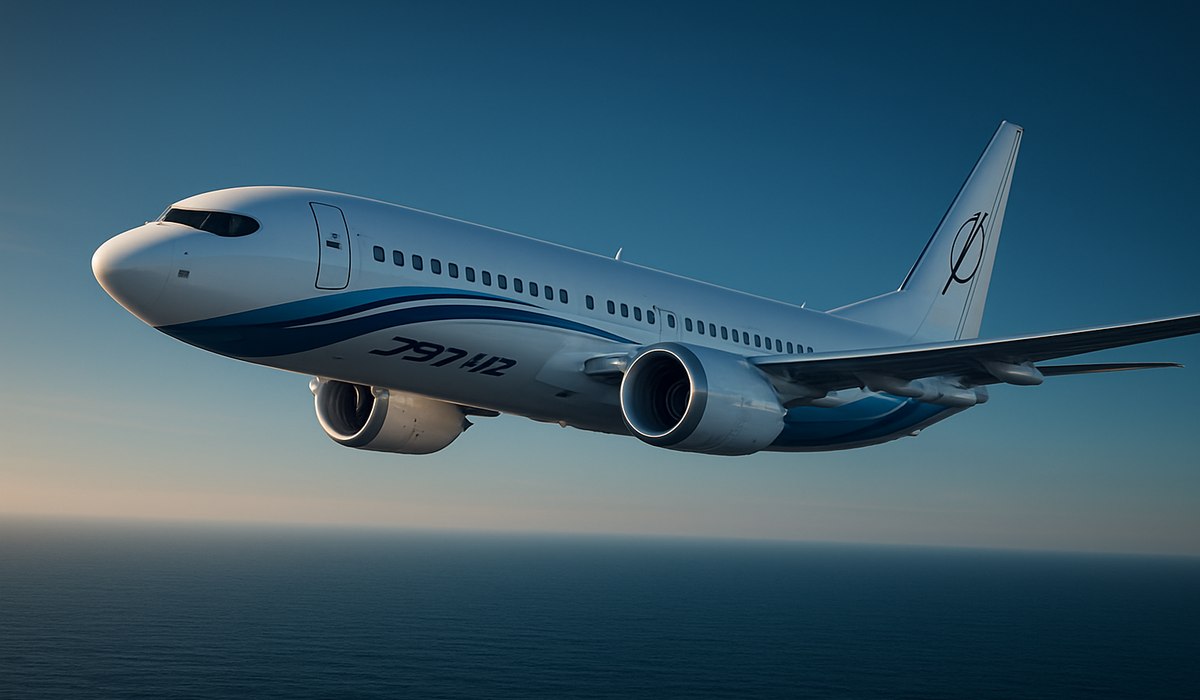
Image generated by AI
Virgin Australia's Boeing 737-10 Arrival Signals Major Fleet Expansion
Virgin Australia confirmed it will take delivery of its first Boeing 737-10 in late 2027, marking a significant milestone in the carrier's fleet modernization strategy. The aircraft will become Virgin Australia's largest plane, seating between 188 and 204 passengers in a two-class cabin configuration. This delivery represents the first of 10 firm orders the airline has placed for the type, with Boeing's US regulatory approval timeline directly affecting when aircraft will begin operating on Virgin's busiest domestic and short-haul international routes.
The announcement comes as Virgin Australia celebrates three years of successful Boeing 737 MAX operations, with 19 737-8 aircraft currently flying and seven additional examples expected before year-end 2026. The airline has saved approximately 30 million litres of fuel and eliminated more than 77,000 tonnes of CO2 emissions during this period compared to its legacy 737-800 fleet.
Why Virgin Australia Chose the Boeing 737-10
Virgin Australia selected the 737-10 as a natural progression within its modernization program, combining operational efficiency with network flexibility. The aircraft delivers a 20% reduction in fuel consumption and carbon dioxide emissions per seat relative to the previous-generation 737-800, aligning with the airline's sustainability objectives.
The 737-10's 5,740-kilometre range permits operations across Virgin Australia's entire current network, from major trunk routes between Sydney, Melbourne, and Brisbane to emerging international services throughout Southeast Asia. Chief Executive Officer Dave Emerson emphasized that fleet renewal represents "the single biggest lever we have to reduce emissions in the near term," positioning the 737-10 as critical infrastructure for achieving environmental targets.
The aircraft maintains commonality with Virgin's expanding 737-8 fleet, simplifying pilot training, maintenance procedures, and spare parts inventory. This operational continuity reduces implementation costs while maximizing crew utilization rates across the growing narrow-body fleet. For more details on aircraft specifications, visit Boeing's official aircraft page.
Fleet Renewal and Sustainability Goals
Virgin Australia's transformation from a legacy carrier to a modern, fuel-efficient operator accelerated following its emergence from administration in 2020. The introduction of 26 Boeing 737-8 aircraft by end of 2026 established a foundation for capacity growth while substantially improving environmental performance metrics.
The forthcoming 737-10 acquisition extends this trajectory, enabling Virgin to serve high-demand sectors with increased seating while reducing per-passenger emissions. The airline's new business and economy cabin products, rolling out across the Boeing fleet, will standardize the passenger experience across all aircraft types.
Virgin Australia's sustainability commitment encompasses fleet age reduction, engine technology upgrades, and sustainable aviation fuel exploration. Airlines across the Asia-Pacific region face increasing regulatory pressure regarding carbon emissions reporting under schemes like Australia's Safeguard Mechanism, making modern aircraft essential for long-term competitiveness.
Boeing 737 MAX Performance Update
The 737 MAX family has recovered substantially from its 2018-2020 operational pause, with Virgin Australia demonstrating confidence through successive aircraft deliveries and expansion orders. The airline's 737-8 fleet achieved industry-leading dispatch reliability while establishing safety records that silenced early skeptics.
Three years of Virgin Australia 737-8 operations generated concrete sustainability data: 30 million litres of fuel savings and 77,000 tonnes of CO2 reductions compared to the displaced 737-800 fleet. These metrics validate the MAX family's efficiency advantages while supporting Virgin's marketing messages to environmentally conscious travelers.
The 737-10 represents the MAX family's evolution toward larger capacity on established routes. Its development, certification, and introduction follow years of intensive regulatory oversight by the US Federal Aviation Administration, ensuring safety standards exceed previous generations. Current 737-8 operations provide Virgin crews and maintenance teams with extensive MAX family experience before the larger variant enters service. For regulatory updates, check FAA's aircraft certification pages.
Timeline and Fleet Integration Plans
Virgin Australia's 737-10 delivery schedule depends on Boeing's progression through US regulatory approval processes, with late 2027 representing the expected first-aircraft arrival. The airline holds 10 firm orders for the type, supporting a multi-year introduction schedule extending into the early 2030s.
The carrier's Brisbane maintenance facility, where Virgin celebrated its 150th Boeing 737 delivery in mid-2026, possesses the infrastructure and trained workforce necessary to support the larger aircraft type. No facility modifications are required, as the 737-10 uses the same MRO procedures and tooling as the existing 737-8 fleet.
Virgin Australia will announce specific cabin configurations, seating capacities, and route assignments for the 737-10 fleet in upcoming quarters as delivery timelines solidify. The aircraft will initially focus on capacity-constrained routes between major population centres, where demand consistently exceeds available seats on current 737-8 equipment.
Key Data Table: Virgin Australia 737-10 Specifications and Context
| Specification | Details |
|---|---|
| Aircraft Type | Boeing 737-10 (MAX family) |
| Passenger Capacity | 188–204 seats (two-class typical layout) |
| First Delivery Expected | Late 2027 |
| Firm Orders Placed | 10 aircraft |
| Maximum Range | 5,740 kilometres |
| Fuel Efficiency Improvement | 20% reduction vs. 737-800 |
| Current MAX Fleet Size | 19 × 737-8 (as of June 2026) |
| Projected 737-8 Fleet | 26 aircraft by end of 2026 |
| Historical Fuel Savings | 30 million litres over 3 years |
| Historical Emissions Reduction | 77,000+ tonnes CO2 over 3 years |
What This Means for Travelers
The arrival of Virgin Australia 2027 Boeing 737-10 aircraft will directly impact passenger availability and pricing on the airline's most congested domestic and international routes. Here's how this development benefits travelers:
1. Increased Seat Availability: The 737-10's 188–204-seat capacity will add approximately 60–70 additional seats per flight compared to Virgin's 737-8 aircraft. High-demand routes between Sydney–Melbourne and Brisbane–Sydney will benefit first, reducing seat scarcity and stabilizing base fares.
2. Better Environmental Performance: Per-passenger CO2 emissions will decline 20% on 737-10 services versus older aircraft, appealing to environmentally conscious travelers and supporting Virgin's sustainability marketing positioning.
3. Enhanced Route Frequency: Greater per-flight capacity may enable Virgin Australia to consolidate multiple smaller flights into single 737-10 services, improving scheduling consistency and reducing ground handling delays.
4. Premium Experience Rollout: Virgin's new business and economy cabin products will standardize across the 737-10 fleet, ensuring product consistency regardless of aircraft assignment.
5. Fleet Reliability: Modern 737-10 aircraft maintain higher dispatch reliability rates than aging narrow-bodies, reducing cancellations and operational disruptions that impact passenger schedules.
Travelers planning journeys on Virgin Australia routes in 2027 and beyond should expect improved capacity, enhanced sustainability credentials, and modernized cabin products across the carrier's expanding fleet.
FAQ: Virgin Australia 2027 Boeing 737-10 Questions
When will Virgin Australia's first Boeing 737-10 arrive and begin commercial service?
Virgin Australia expects to take delivery of its first Boeing 737-10 in late 2027, subject to Boeing's completion of US regulatory approval processes. The airline holds 10 firm orders for the aircraft type, with delivery schedules extending into the early 2030s.
**How many passengers will the Boeing 737
Kunal K Choudhary
Co-Founder & Contributor
A passionate traveller and tech enthusiast. Kunal contributes to the vision and growth of Nomad Lawyer, bringing fresh perspectives and driving the community forward.
Learn more about our team →