
Vietnam Shifts Strategy Toward High-Value Slow Travel
Vietnam pivots from mass tourism to high-value slow travel, targeting 14-15% GDP contribution by 2045 through eco-luxury and digital infrastructure.

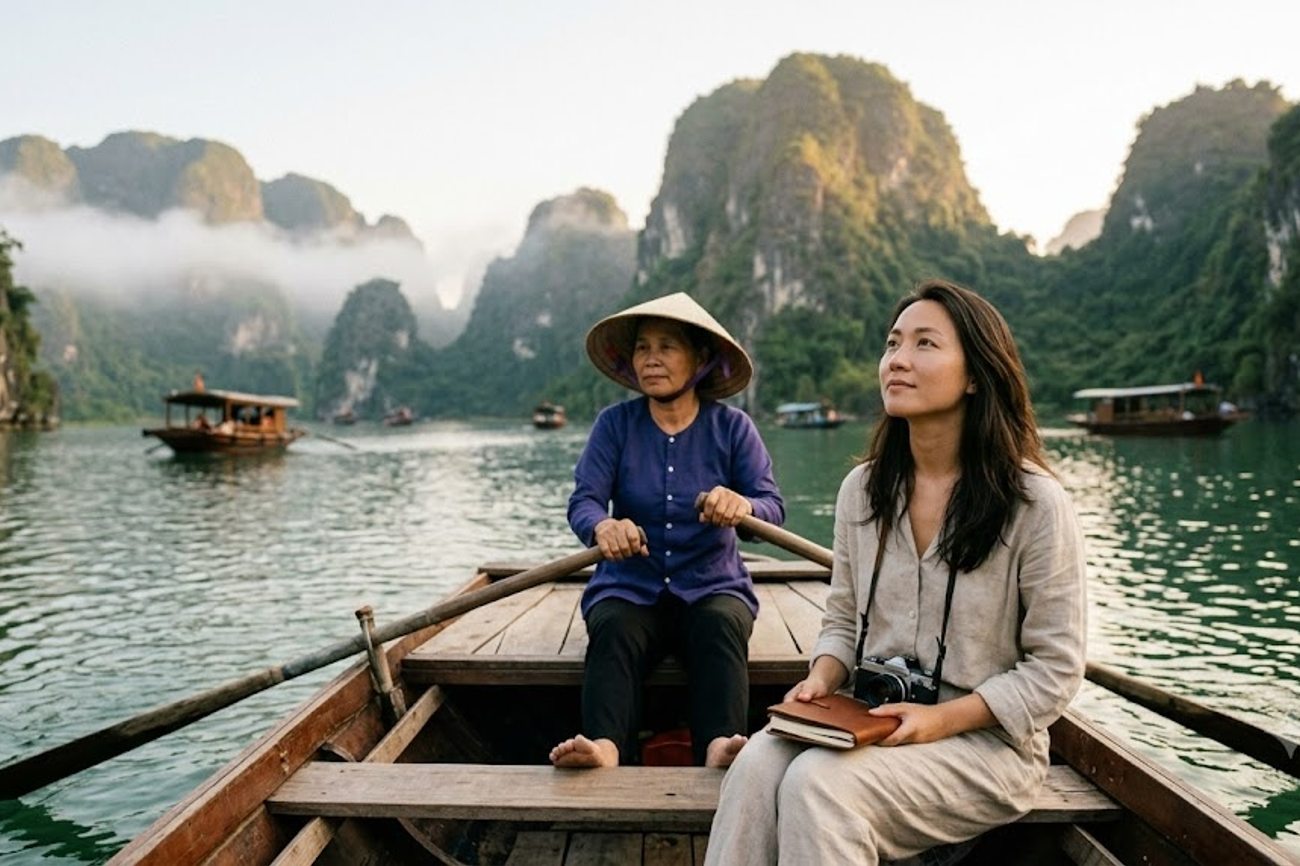
Image generated by AI
The Local Trend Revealed
Vietnam is undergoing a fundamental structural shift in how it welcomes the world. The era of "crammed and time-efficient" itineraries is being replaced by a national mandate for slow travel. Directed by the Politburo, the state is pivoting away from chasing sheer volume to focus on high-end service standards and extended stays.
This is not merely a marketing change but a macroeconomic overhaul. The government is implementing legal frameworks for green financing and waterfront development to transition tourism into a primary economic pillar. For the visitor, this means a move away from the "checklist" style of touring. Instead, the focus is now on keeping travelers on-site longer, encouraging deeper engagement with regional heritage and increasing the daily spend per guest through luxury wellness, culinary tours, and maritime cruises.
Cultural & Environmental Value
The shift toward "high-quality sustainable development" is designed to protect the very assets that draw millions to the region. By moving away from mass-market tour groups, Vietnam aims to reduce the physical strain on delicate ecosystems. Natural landmarks, specifically Ha Long Bay, are receiving upgraded environmental safeguards to ensure that increased popularity does not lead to ecological degradation.
The real impact for the traveler is the integration of ancient culture with modern luxury. The strategy links historic heritage cities directly to luxury seaside resorts via high-speed links, allowing for a seamless transition between the spiritual quiet of a temple and the sophistication of a high-end retreat. This approach ensures that local communities benefit directly from tourism through higher-yield spending rather than the environmental cost of over-tourism.
Visitor Insider Tips
To experience this new era of Vietnamese travel, move beyond the primary hubs of Ha Noi and Ho Chi Minh City.
- Off-Peak Windows: Visit the northern highlands between September and November for clear skies and harvest colors, avoiding the humid peaks of summer.
- Cultural Etiquette: When visiting historic heritage cities, remember that "slow travel" is a local value. Avoid rushing through interactions; a slower pace of conversation is highly respected in regional provinces.
- Dining Specialty: Look for "Farm-to-Table" initiatives in the outskirts of Da Nang and Phu Quoc, where new eco-tourism mandates are encouraging restaurants to source 100% of ingredients from within a 20km radius.
- Hidden Spot: Explore the emerging luxury marinas and waterfront developments in smaller coastal towns, which are now being linked to urban centers via modernized transport.
Tourism Outlook
The financial benchmarks set by the state are ambitious. Vietnam projects the travel sector will contribute 10% to 12% of its GDP by 2030, rising to 14% to 15% by 2045. To support this, the country is scaling its infrastructure to provide 1.5 million guest rooms by 2030.
The arrival targets are equally significant: 45 million to 50 million international tourists and 160 million domestic vacationers by 2030, with foreign arrivals expected to hit 70 million by 2045. This growth is expected to create 2.3 million direct jobs and 3.5 million indirect roles, positioning Vietnam among the top 30 most competitive travel destinations globally.
The integration of a unified digital network—combining AI-driven capacity monitoring and electronic ticketing—will ensure that this growth is managed sustainably, preventing the "over-tourism" traps seen in other Southeast Asian hubs.
Related Travel Guides
Disclaimer
This article is for informational and educational purposes only. It does not constitute legal, financial, or professional advice. While we strive to provide accurate and up-to-date information, travel policies, regulations, and conditions change rapidly. Always verify information with official sources before making travel decisions. Nomad Lawyer makes no representations about the accuracy, reliability, completeness, or suitability of the information provided. Readers should consult qualified professionals for advice specific to their circumstances. The views expressed in this article are those of the author and do not necessarily reflect the views of Nomad Lawyer.
Preeti Gunjan
Contributor & Community Manager
A passionate traveller and community builder. Preeti helps grow the Nomad Lawyer community, fostering engagement and bringing the reader experience to life.
Learn more about our team →