
Vietnam Port Push Stalls as HCMC Weighs Key Seaport Approvals
Ho Chi Minh City's port expansion plans face approval delays threatening cruise connectivity. The Vietnam port push stalls amid Reunification Day ceremonies, risking regional maritime leadership in 2026.

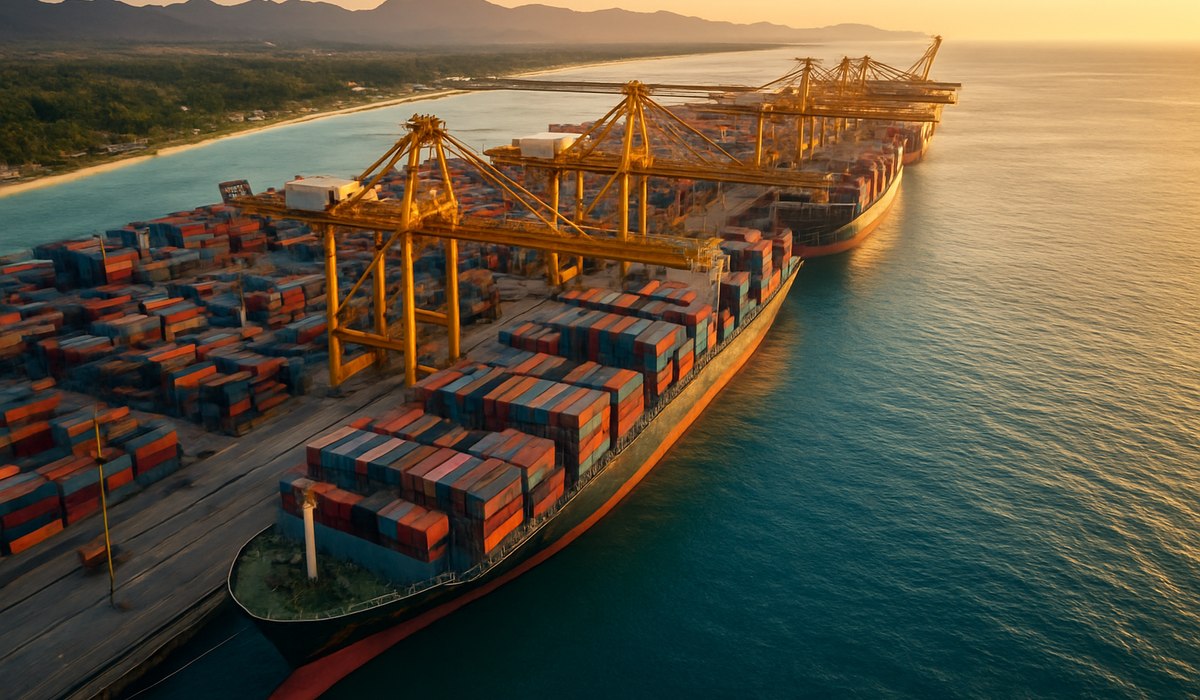
Image generated by AI
Ho Chi Minh City's Port Expansion Plans Face Critical Approval Delays
Ho Chi Minh City's ambitious seaport expansion projects are stalling amid bureaucratic approval delays, threatening to undermine Vietnam's position as a Southeast Asian maritime hub and jeopardizing cruise ship connectivity. As the city races against the April 30 Reunification Day deadline for ceremonial groundbreakings, the Vietnam port push faces mounting regulatory headwinds that could reshape cruise itineraries across the region. Multiple major infrastructure initiatives remain caught in approval limbo, raising concerns about infrastructure timelines and international passenger traffic.
The convergence of symbolic deadlines and genuine infrastructure challenges has created a critical juncture for Vietnam's cruise industry. Ho Chi Minh City officials are simultaneously managing port modernization, urban waterfront redevelopment, and transportation network integration—a complex balancing act that shows signs of strain. Industry observers warn that delays in the Vietnam port push could force major cruise lines to reroute calls, reducing tourism revenue and undermining the city's aspirations to compete with regional ports in Singapore, Bangkok, and Kuala Lumpur.
Reunification Day Deadline Creates Approval Pressure
Ho Chi Minh City is preparing to celebrate the 51st anniversary of Reunification Day on April 30, 2026, with planned ceremonial groundbreakings for new seaport facilities. However, the compressed timeline has created unexpected complications. City departments are racing to secure final approvals for multiple multi-billion dong projects before the symbolic date, yet several key initiatives still await critical sign-offs from provincial and national authorities.
The most advanced initiative is the Cai Mep Gemadept Terminal Link project, which represents years of planning and investor commitment. Industry sources indicate this project stands ready for construction activation in April. However, two companion schemes within the same development package face more complicated site clearance processes and investment preparation timelines. This staggered approval schedule threatens the unified development vision and highlights how the Vietnam port push remains vulnerable to bureaucratic timing misalignments. The pressure to deliver ceremonial announcements has intensified scrutiny among investors, who question whether symbolic groundbreakings precede genuine engineering readiness and regulatory clarity.
Cai Mep Gemadept Terminal Link Project Status
The Cai Mep Thi Vai deep-water complex in Ba Ria Vung Tau province has emerged as Vietnam's primary alternative to congested Ho Chi Minh City inner-harbor facilities. Located approximately 60 kilometers south of downtown Ho Chi Minh City, this container gateway increasingly serves as the de facto cruise reception point when downtown berths reach capacity. The Vietnam port push depends substantially on Cai Mep's ability to handle both container throughput and passenger traffic simultaneously.
The Cai Mep Gemadept Terminal Link represents the next phase of this expansion, designed to enhance intermodal connectivity between container terminals and planned cruise facilities. Project documentation suggests the terminal can accommodate mega-ships exceeding 200,000 tons displacement once fully operational. However, ground transportation infrastructure connecting Cai Mep to downtown Ho Chi Minh City remains underdeveloped. Current transfer times from the Cai Mep berth to central tourist districts exceed two hours by road, creating logistical friction for cruise operators planning shore excursions. This connectivity gap becomes critical as the Vietnam port push shifts passenger operations away from downtown toward satellite facilities. Improved road access and potential dedicated rapid transit connections are essential to maintaining Ho Chi Minh City's competitiveness on regional cruise itineraries. Visit the port authority's official development timeline for current project status updates.
Regional Competition and Infrastructure Gaps
Vietnam's port expansion strategy operates within an increasingly competitive regional maritime landscape. Singapore, Thailand, and Malaysia have invested heavily in cruise infrastructure, deepwater container terminals, and integrated logistics networks. The Vietnam port push represents Ho Chi Minh City's effort to capture regional market share, yet approval delays risk surrendering competitive advantages to rival ports.
National container volumes continue growing at double-digit rates, demonstrating cargo demand that far outpaces current infrastructure capacity. However, regulatory alignment between Ho Chi Minh City, Ba Ria Vung Tau province, and central government agencies has proven inconsistent. Parallel megaprojects in urban rail transit, aviation (including the under-construction Long Thanh International Airport), and industrial zone development create competing demands for capital investment and regulatory attention. The Vietnam port push cannot succeed in isolation; it requires coordinated planning across multiple government ministries, private investors, and logistics operators. Industry analysts warn that fragmented development at key river and coastal ports could undercut the multimodal transportation network envisioned in Vietnam's 2030 national transport strategy.
Cruise Connectivity Implications for Southeast Asia
Cruise passenger traffic represents a critical test of Ho Chi Minh City's port modernization success. Earlier strategic planning emphasized constructing three dedicated international cruise terminals to replace aging downtown facilities and accommodate mega-ship operations at deeper, less congested river and coastal locations. The reality, however, reflects a patchwork of temporary berths, aging infrastructure, and incomplete transitions.
Major cruise operators now depend substantially on Cai Mep Thi Vai for large international ships that historically docked in downtown Ho Chi Minh City. Travel operators and cruise lines have issued informal warnings that without clear medium-term berthing arrangements, additional calls could be canceled or rerouted to competing ports. This represents measurable economic loss for Ho Chi Minh City's tourism sector, which depends on cruise passenger spending in hotels, restaurants, and attractions.
Waterfront redevelopment along the historic Khanh Hoi and Nha Rong zones adds complexity. Portions of the downtown port area are being reimagined as parks, cultural spaces, and mixed-use districts—a transition that reduces total cargo and cruise capacity within urban core areas. While concept plans suggest occasional cruise berths may be retained, long-term downtown operational capacity remains undefined. The immediate future of cruise connectivity hinges on how quickly dedicated passenger facilities at satellite locations can be upgraded and whether ground transportation improvements reduce transfer times sufficiently to maintain shore excursion competitiveness.
Check Cruise Critic's Ho Chi Minh City cruise destination guide for traveler reviews and port information from recent cruise operations.
Vietnam Port Push Expansion: Key Facts and Timeline
| Metric | Detail |
|---|---|
| Primary Project | Cai Mep Gemadept Terminal Link Phase |
| Project Location | Ba Ria Vung Tau Province (60 km south of HCMC) |
| Planned Groundbreaking | April 30, 2026 (Reunification Day) |
| Current Status | Approval delays affecting 2 companion projects |
| Expected Container Capacity | Double-digit growth alignment with 2030 targets |
| Cruise Ship Transfer Time | 2+ hours from Cai Mep to downtown Ho Chi Minh City |
| Regional Competitor Ports | Singapore, Bangkok, Kuala Lumpur |
| Investment Scale | Multi-billion dong initiatives |
| Related Infrastructure | Long Thanh International Airport, urban rail, industrial zones |
What This Means for Travelers
The Vietnam port push stalls have direct implications for cruise passengers and tour operators planning Southeast Asian itineraries in 2026 and beyond.
-
Verify Embarkation Ports: Confirm whether your booking specifies downtown Ho Chi Minh City or Cai Mep Thi Vai. Satellite ports require additional transfer time; budget accordingly for hotel stays and ground transportation.
-
Shore Excursion Planning: If embarkation occurs at Cai Mep, authentic downtown experiences require 2+ hour transfers.
Preeti Gunjan
Contributor & Community Manager
A passionate traveller and community builder. Preeti helps grow the Nomad Lawyer community, fostering engagement and bringing the reader experience to life.
Learn more about our team →