
Destination Strategy: Lao Cai Targets 10% Economic Growth Plan
Vietnam's Lao Cai province rolls out its 2026 economic strategy, targeting over 10% GRDP growth through tourism and investment.

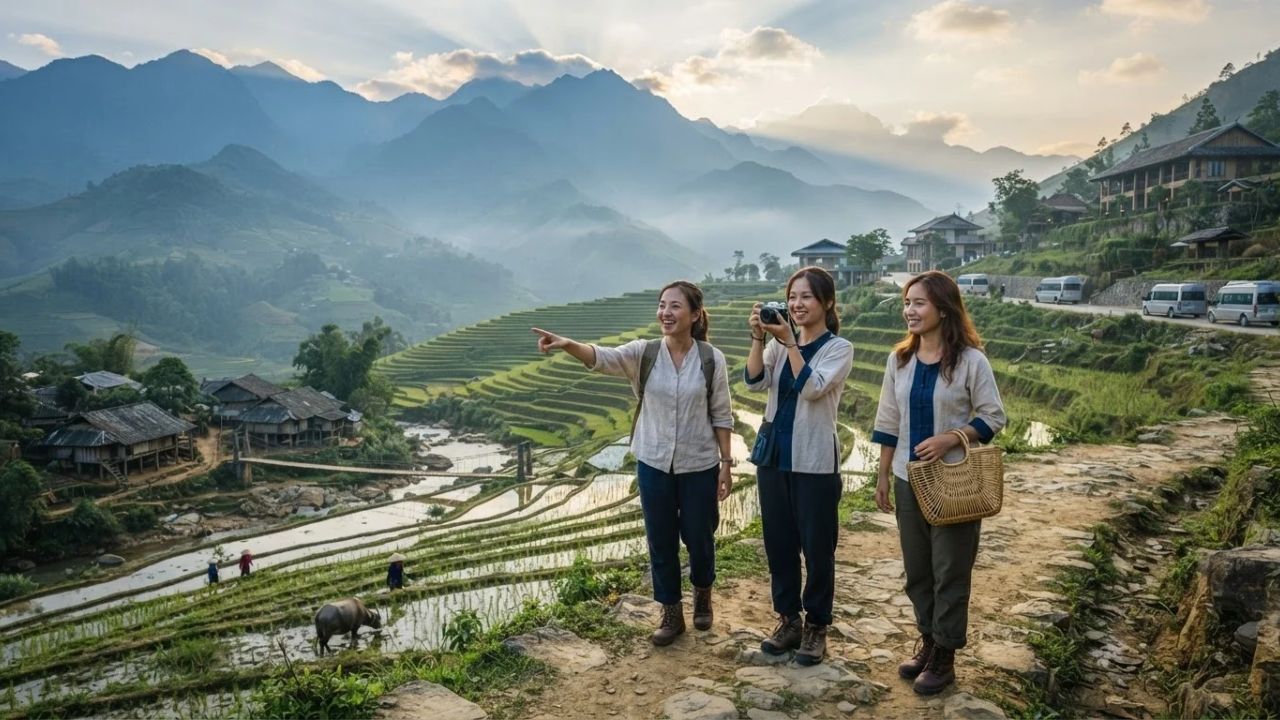
Image generated by AI
Vietnam's Lao Cai province rolls out its 2026 economic strategy, targeting over 10% GRDP growth through tourism and investment. The Lao Cai Department of Tourism indicates that Sa Pa and surrounding highland communities will integrate community-based cultural stays with border trade infrastructure.
The Transition of Border Regions into Integrated Tourism Hubs
A significant trend in Southeast Asian regional planning is the transition of border zones from simple trade checkpoints into major cultural and ecological tourism gateways. Historically, regional governments managed border provinces primarily through logistics and heavy industrial transport grids, ignoring local heritage and natural assets. In 2026, development offices implement integrated growth frameworks, combining public infrastructure investments with community-based travel programs to distribute tourism spending directly to minority mountain communities.
By connecting agricultural production, local markets, and highland resorts, provinces build a more diversified regional economy. This model protects natural conservation zones while improving access for international adventure travelers.
Lao Cai Provincial Economic Performance and Targets
The revised 2026 development plan targets several key growth milestones:
- Annual GRDP Target: Aims to achieve a Gross Regional Domestic Product (GRDP) growth rate of over 10% during the year.
- First-Half GRDP (2026): Recorded an estimated VND 75,650.85 billion.
- First-Half Growth Rate: Reached 9.01% compared to the same period in 2025.
- Sector Performance (H1 2026):
- Agriculture, Forestry, & Fisheries: Expanded by 5.19%.
- Industry & Construction: Increased by 11.02%.
- Services & Tourism: Grew by 8.72%.
These figures demonstrate that the service and industrial sectors remain the primary drivers of the province's economic transformation.
Integrated Tourism and Community-Based Development
Lao Cai is focusing on its natural and cultural resources to expand visitor capacity:
- Primary Destination Focus: Promoting Sa Pa alongside under-the-radar mountain districts to balance tourist traffic.
- Thematic Travel Routes: Developing experiential packages that link local tea plantations, embroidery craft villages, and forest trekking paths.
- Border Logistics Hub: Utilizing its strategic location near the Chinese border to develop duty-free shopping zones and transit hubs.
- Public Investment Acceleration: Reviewing delayed projects to speed up highway connections, parking areas, and visitor information centers.
This strategy links highland communities with larger trade networks, making the northern region more attractive to long-stay travelers.
Lao Cai Economic Growth Coordinates
The table below breaks down the primary economic sectors, target growth rates, first-half achievements, strategic priorities, regional partners, and coordinating authorities recorded on August 23, 2026:
| Key Economic Sector | Target Annual Growth | H1 2026 Growth Rate | Strategic Development Priority | Regional Key Partner | Primary Coordinating Authority |
|---|---|---|---|---|---|
| Services & Tourism | Expanded quality targets | 8.72% growth | Sa Pa community-based travel | Sa Pa Tourism Association | Lao Cai Department of Tourism |
| Industry & Construction | Accelerated investment | 11.02% growth | Energy & processing projects | Local power grids | Ministry Planning & Investment |
| Agriculture & Forestry | High-value sustainability | 5.19% growth | Supply chain integration | Farming cooperatives | Vietnam National Authority Tourism |
| Total Province Economy | Over 10% GRDP growth | 9.01% growth | VND 75,650.85B total GRDP | Border logistics groups | Provincial People's Committee |
These coordinates outline the sectors, targets, H1 rates, priorities, partners, and authorities established for the growth program.
Resource Stewardship and Eco-Aware Mountain Travel
For the visitor, the benefit of choosing registered community homestays in Sa Pa is the direct support of ethnic minority host families, keeping travel spending within the local economy. Respecting local forestry guidelines during mountain trekking tours protects biodiversity and prevents trail erosion.
Additionally, using public eco-busses or shared electric vans to travel from Lao Cai station to Sa Pa minimizes carbon emissions. Purchasing hand-woven textiles from local Hmong and Dao weavers supports cultural preservation efforts.
For comparison, you can explore the changing dynamics of Stimulus Launch: Taiwan Unveils Billion-Dollar Repeat Visitor Rewards to see how destinations promote visitor spend. For transit updates, comparing travel scheduling matches other networks, such as Cultural Tourism: Skillcations Redefine Travel in Japan and Asia updates. This trend is similar to the tourism growth seen in other destinations, as detailed in our guide on the Hacienda Heights Bus Fire Transport Safety regulations.
Visitor Insider Tips: Exploring Sa Pa and Lao Cai
If you are planning to travel to the Lao Cai province, keep these practical tips in mind:
- Visit During the Harvest Season: Travel in September to witness the golden terraced rice fields in Sa Pa before the harvest begins.
- Support Local Village Cooperatives: Book village trekking guides through accredited community tourism centers in Ta Van or Cat Cat.
- Use the Night Train from Hanoi: Take the overnight sleeper train from Hanoi to Lao Cai for a scenic, low-carbon transit option.
- Observe Indigenous Customs: Ask permission before photographing local minority residents in their traditional attire.
- Sample Regional Mountain Specialties: Try locally grown salmon hotpot and Thang Co (traditional soup) in Sa Pa's evening markets.
Long-Term Outlook for Northern Vietnam's Tourism Industry
The long-term outlook for transit in Lao Cai is focused on completing international airport facilities, installing automated border inspection gates, and expanding cableway transport grids. As travel volumes continue to expand, regional planning offices and environmental boards will cooperate to maintain green tourism codes.
By developing sustainable transit options and protecting highland habitats, the tourism sector aims to build a sustainable transport network.
FAQ
What is Lao Cai's economic growth target for 2026?
The province is targeting a Gross Regional Domestic Product (GRDP) growth rate of over 10% or higher during the year.
How did the tourism and service sector perform in the first half of 2026?
Lao Cai's service sector recorded an 8.72% growth rate during the first six months, contributing to a total H1 GRDP of VND 75,650.85 billion.
What are the main tourism priorities for the province?
The strategy focuses on expanding community-based tourism in Sa Pa, improving service standards, and developing themed routes that combine wellness, culture, and sports.
How does the province's border location support its economy?
Lao Cai leverages its proximity to the Chinese border to develop trade corridors, improve logistics terminals, and expand regional commercial agreements.
Stay updated on regional travel regulations and tourism updates shaping northern Vietnamese transit.
Related Travel Guides
Disclaimer
This article is for informational and educational purposes only. It does not constitute legal, financial, or professional advice. While we strive to provide accurate and up-to-date information, travel policies, regulations, and conditions change rapidly. Always verify information with official sources before making travel decisions. Nomad Lawyer makes no representations about the accuracy, reliability, completeness, or suitability of the information provided. Readers should consult qualified professionals for advice specific to their circumstances. The views expressed in this article are those of the author and do not necessarily reflect the views of Nomad Lawyer.
Raushan Kumar
Founder & Lead Developer
Full-stack developer with 11+ years of experience and a passionate traveller. Raushan built Nomad Lawyer from the ground up with a vision to create the best travel and law experience on the web.
Learn more about our team →