
Vietnam Hospitality: Balancing Rapid Growth Against Service and Infrastructure Gaps
Expert analysis on Vietnam's hospitality sector reveals how AI adoption and new infrastructure are driving growth, while language barriers and accessibility per

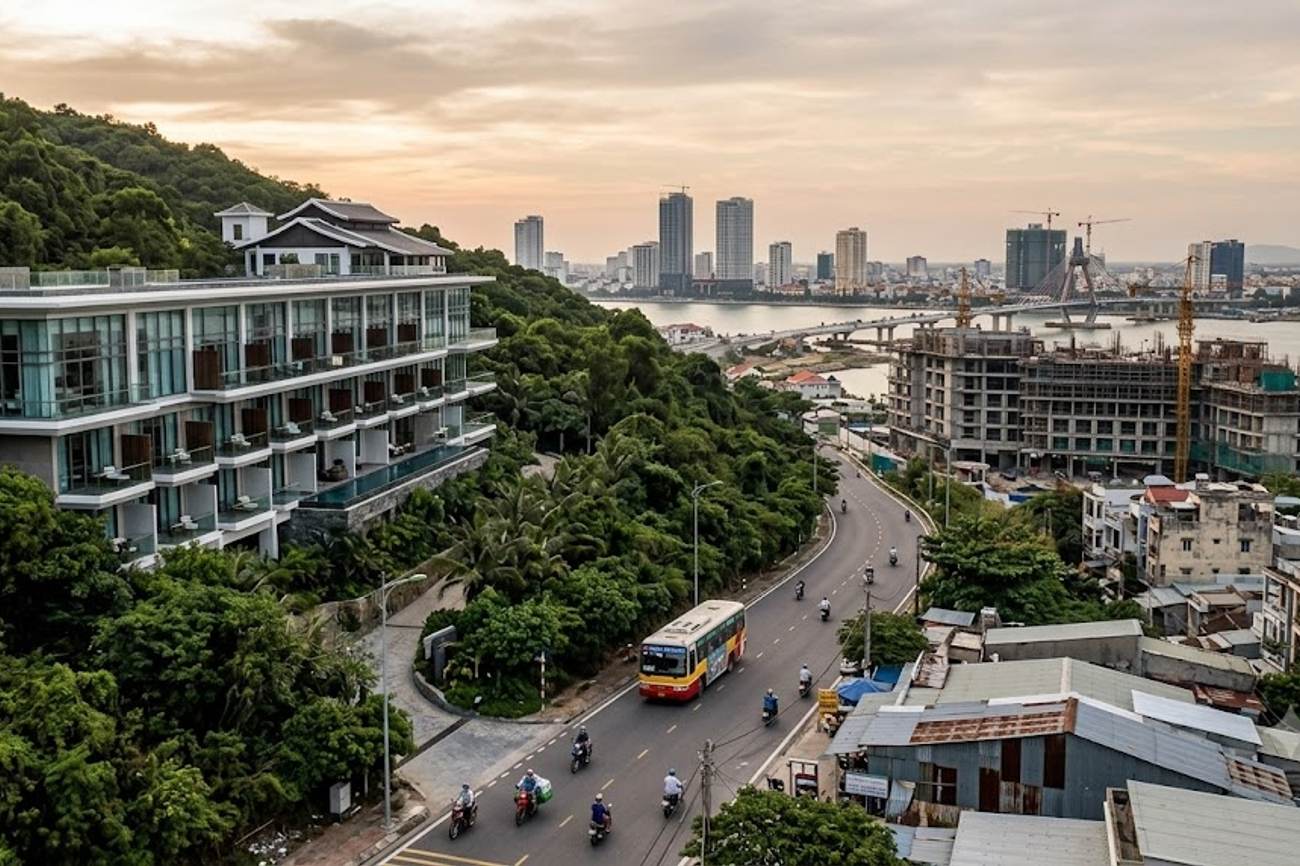
Image generated by AI
The Dual Reality of Vietnam’s Tourism Surge
Vietnam is currently navigating a complex transition. While the nation is seeing a surge in technology adoption and infrastructure investment, these gains are countered by practical operational weaknesses that impact the international traveler experience.
John Gardner, CEO of Optimum Hospitality—who brings over 30 years of Asia-Pacific experience and two decades specifically within Vietnam—indicates that the market is at a crossroads. The path to becoming a top-tier global destination depends on whether the industry can bridge the gap between high-level growth and ground-level service execution.
AI as an Operational Catalyst
Artificial Intelligence is no longer a digital novelty in Vietnamese hotels; it is becoming a fundamental operational tool. The integration of AI is shifting from basic guest-facing chatbots to deep-core administrative functions.
Redefining Revenue Management
The most immediate disruption is occurring in revenue management. Traditionally, this required exhaustive manual research and constant market monitoring to adjust room rates. Gardner suggests that AI will eventually assume the bulk of this analytical workload. While human oversight remains necessary for now, the long-term trajectory suggests a future where AI can research and implement pricing autonomously, potentially evolving the role of the revenue manager entirely.
Enhancing the Human Element
Contrary to fears of total automation, AI is being positioned as a tool to restore the "hospitality" in hotel service. By automating back-of-house administrative burdens, staff are freed to focus on:
- Direct guest interaction and personalized assistance.
- Higher-quality face-to-face service.
- Complex problem-solving that requires human empathy.
Critical Barriers to International Scaling
Despite the technological leap, Vietnam faces systemic challenges that hinder its ability to attract and retain high-value tourists.
The Language Gap
English-language proficiency remains a significant hurdle once travelers leave the primary hubs of Hanoi, Da Nang, and Ho Chi Minh City. This communication barrier manifests in basic interactions, such as dining and local navigation, which directly impacts overall guest satisfaction. While real-time AI translation tools offer a temporary bridge, the need for skilled, English-speaking personnel remains urgent.
Infrastructure and Regional Access
The geographical reach of Vietnamese tourism is expected to expand significantly over the next three to five years. Key developments include:
- New Airport Infrastructure: Specifically in southern Vietnam, reducing bottlenecks for arrivals.
- Expressway Expansion: Improving the speed and ease of transit between provinces.
- Railway Modernization: Opening new tourism corridors and making remote destinations accessible.
Shifting the Metric: Value Over Volume
A pivotal strategic shift is required in how Vietnam measures tourism success. There is a growing argument that the industry should move away from chasing raw arrival numbers and instead focus on "high-value" tourism.
The objective is to attract affluent travelers who exhibit specific behaviors:
- Longer average lengths of stay.
- Higher per-capita spending.
- Increased utilization of luxury and high-end hotel inventories.
By prioritizing spending power over passenger counts, Vietnam can maximize economic gain while reducing the strain on local infrastructure.
Key Takeaways
- AI Integration: Moving beyond novelty to handle revenue management and administrative tasks, allowing staff more time for guests.
- Infrastructure Pipeline: New airports, railways, and expressways are set to unlock previously inaccessible tourism corridors within 3–5 years.
- Service Bottlenecks: Lack of English proficiency outside major cities remains a primary deterrent for international travelers.
- Strategic Pivot: The industry is shifting focus from total visitor volume to attracting high-spending, long-stay affluent travelers.
FAQ
How is AI affecting hotel jobs in Vietnam? AI is automating repetitive administrative and analytical tasks, such as revenue management. While this may change the nature of certain roles, it is intended to allow staff to provide better direct service to guests.
Which regions in Vietnam have the best English-language support? Currently, English proficiency is highest in the major urban centers of Ho Chi Minh City, Hanoi, and Da Nang, with a noticeable decline in rural or secondary destinations.
What infrastructure projects are most impactful for tourism? The development of new airports in the south, along with expanded expressways and updated railway links, are the primary drivers for opening new tourism corridors.
Related Travel Guides
Disclaimer
This article is for informational and educational purposes only. It does not constitute legal, financial, or professional advice. While we strive to provide accurate and up-to-date information, travel policies, regulations, and conditions change rapidly. Always verify information with official sources before making travel decisions. Nomad Lawyer makes no representations about the accuracy, reliability, completeness, or suitability of the information provided. Readers should consult qualified professionals for advice specific to their circumstances. The views expressed in this article are those of the author and do not necessarily reflect the views of Nomad Lawyer.
Kunal K Choudhary
Co-Founder & Contributor
A passionate traveller and tech enthusiast. Kunal contributes to the vision and growth of Nomad Lawyer, bringing fresh perspectives and driving the community forward.
Learn more about our team →