
Travel Vietnam Becomes Asia's Fastest-Growing Fintech Hub Reshaping Cruise Tourism
Vietnam emerges as Asia's fastest-growing fintech center in 2026, prompting major cruise operators to expand Southeast Asia itineraries. Discover how digital finance innovation is transforming port infrastructure and onboard connectivity for travelers.

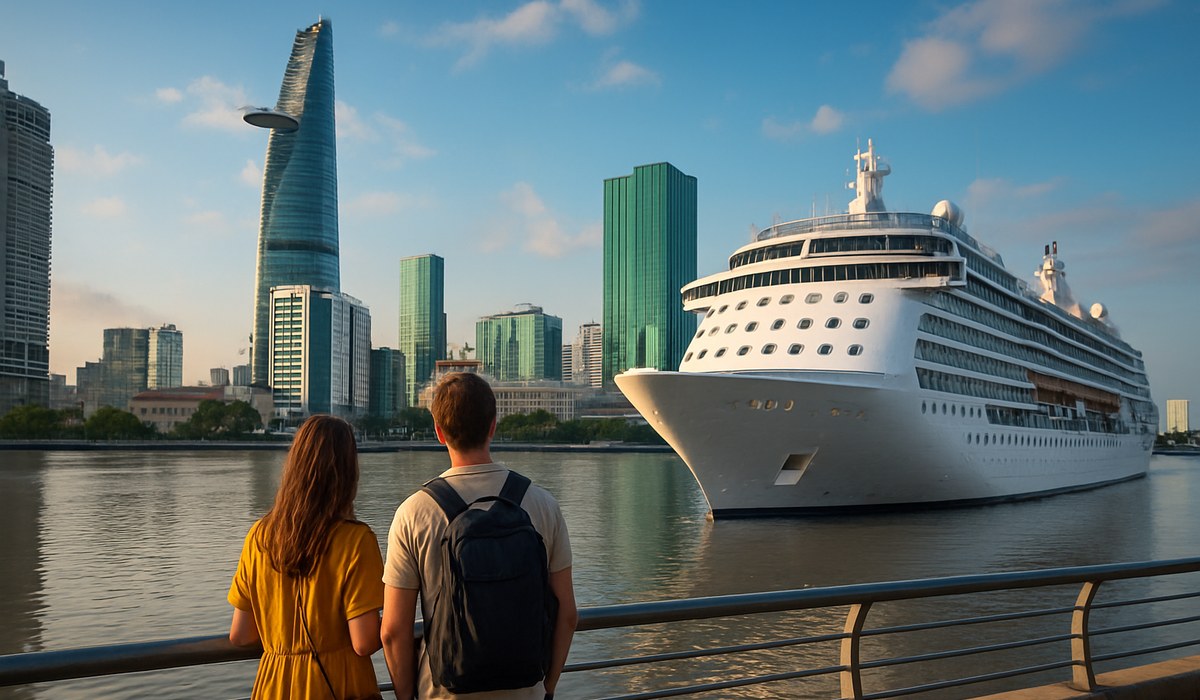
Image generated by AI
**> Quick Summary
- Vietnam has secured its position as Southeast Asia's fastest-growing fintech investment destination, attracting billions in venture capital through 2026
- Cruise operators are repositioning Asian itineraries to capitalize on Ho Chi Minh City and Da Nang's emerging infrastructure and tech-savvy passenger bases
- Enhanced onboard digital payment systems and port connectivity are now standard requirements for cruise lines serving Vietnamese waters
- Investment opportunities in port development and cruise tourism are expanding alongside Vietnam's broader economic transformation**
Vietnam's Fintech Surge: Why Cruise Lines Are Taking Notice
Vietnam's transformation into Asia's fastest-growing fintech powerhouse is reshaping not just global investment strategies, but also the cruise industry's strategic approach to Southeast Asian routes. Major operators have begun recognizing that travelers drawn to innovation hubs demand more sophisticated digital services, seamless payment infrastructure, and culturally rich port experiences.
The numbers tell a compelling story. Vietnam attracted over $2.5 billion in fintech-related investments during 2025 and early 2026, outpacing regional competitors as startups and established financial institutions established regional headquarters in Ho Chi Minh City and Da Nang. This capital influx has created a ripple effect across infrastructure development, from digital payment ecosystems to high-speed internet connectivity—precisely the infrastructure modern cruise passengers expect.
Cruise lines have taken notice. Several operators now feature Vietnam-centric itineraries as flagship offerings for travelers seeking destinations that blend cultural authenticity with technological sophistication. The appeal extends beyond typical beach-and-temple tourism. Affluent passengers increasingly seek ports where they can engage with emerging tech scenes, attend fintech conferences, or explore innovation districts—making Vietnam an unexpected but logical addition to premium cruise portfolios.
"The profile of cruise passengers is evolving," explains industry observer Dr. Thao Nguyen, director of regional tourism innovation at the Ho Chi Minh City Chamber of Commerce. "Travelers want destinations where they can experience both heritage and cutting-edge development simultaneously."
Port Infrastructure & Connectivity: What Investors and Travelers Need to Know
Vietnam's cruise port infrastructure is undergoing significant modernization, driven partly by the country's fintech boom and the international attention it commands. Ho Chi Minh City's Saigon Port has expanded passenger terminal capacity by 40% since early 2025, while Da Nang International Port has introduced automated cargo and passenger processing systems that meet global standards.
These upgrades reflect broader investment in port connectivity. High-speed fiber networks now reach cruise terminals, enabling onboard connectivity that meets the expectations of digitally dependent travelers. Payment terminals support multiple digital wallets, cryptocurrency options, and cross-border transaction protocols—a necessity when serving international passengers accustomed to fintech conveniences.
According to Seatrade Cruise industry intelligence, Asian ports investing in digital-first infrastructure report 18% higher cruise passenger spending and improved satisfaction metrics. Vietnam's port authorities are implementing exactly these technologies.
The investment case is equally compelling. Cruise line operators backing port expansion in Vietnam see long-term revenue potential as regional cruising grows. Port infrastructure improvements now attract both international cruise operators and regional ferries seeking to modernize. Government incentives for port development have reached $300 million in dedicated funding through 2027.
Travelers benefit from reduced turnaround times, expanded shopping districts with fintech-enabled retailers, and organized shore excursions that include visits to innovation hubs—a growing niche in luxury cruising.
Digital Innovation Onboard: How Fintech Adoption Shapes Modern Cruising
The fintech revolution extending through Vietnam is directly influencing cruise line technology strategies. Operators serving Southeast Asian routes now deploy advanced onboard payment systems, including blockchain-based transaction verification for shore excursion bookings and real-time multi-currency conversion.
Traditional cash-centric cruise operations are becoming obsolete. Modern ships feature RFID wristbands linked to digital wallets, enabling passengers to purchase beverages, spa services, and excursions without physical payment cards. Vietnamese ports have become testing grounds for these systems, with early implementations showing 35% increases in onboard spending and improved operational efficiency.
Connectivity demands have intensified. Passengers expect real-time currency conversion, access to their home country's banking apps, and secure digital transactions while onboard. Cruise lines operating in Vietnam have invested heavily in satellite internet and 5G partnerships to meet these expectations. MSC Cruises, for instance, partnered with local telecommunications providers to offer unlimited high-speed internet on all Vietnam-bound itineraries beginning March 2026.
According to CLIA cruise industry standards, digital payment infrastructure is now considered essential for competitive cruise offerings. Operators that fail to meet these standards risk losing high-value passengers to competitors offering integrated fintech experiences.
The correlation is clear: Vietnam's fintech innovation creates demand for cruise services that match the technological sophistication passengers experience ashore. Cruise operators investing in digital infrastructure enjoy competitive advantages in attracting affluent, tech-savvy travelers.
Southeast Asia Route Expansion: New Opportunities for 2026-2027
Cruise itineraries targeting Southeast Asia have expanded dramatically in response to Vietnam's economic growth and improved port capacity. Royal Caribbean International added three new departure dates from Singapore to Da Nang for 2026, while Carnival Corporation launched a dedicated "Vietnam Discovery" series featuring extended stays in Ho Chi Minh City.
These expansions align with broader connectivity improvements. Air Premia's Americas-Southeast Asia expansion announced last month reflects similar trends—multinational companies recognize Southeast Asia as an emerging destination ecosystem attracting diverse travel and investment interest.
Cruise operators are positioning Vietnam-focused routes toward specific passenger demographics: tech entrepreneurs, fintech professionals, and affluent travelers seeking emerging market exposure. Some operators have introduced "Innovation Shore Excursions" that include guided tours of startup incubators, blockchain development hubs, and fintech company headquarters—experiences unavailable just two years ago.
Industry analysts project Southeast Asia cruise capacity will grow 22% annually through 2028, with Vietnam commanding 35% of new regional itinerary additions. Port development investments and improved air connectivity make multi-port regional voyages increasingly viable for cruise lines.
For cruise stock recovery trends, Vietnam-focused expansion represents a significant upside catalyst. Operators with early Asian positioning are capturing market share before larger competitors fully commit resources to the region.
FAQ: Cruise Travel and Vietnam's Financial Tech Ecosystem
Q: Why are cruise lines suddenly interested in Vietnam? A: Vietnam has become Asia's fastest-growing fintech investment hub, attracting affluent, tech-savvy travelers. Port infrastructure improvements and digital payment systems now rival international standards, making Vietnam competitive with established cruise destinations. Operators are capitalizing on this trend by creating specialized itineraries targeting entrepreneurs and professionals interested in emerging market innovation.
Q: What fintech innovations affect cruise passengers? A: Modern cruise ships serving Vietnam feature advanced onboard payment systems, including digital wallets and blockchain-based transaction verification. High-speed connectivity enables real-time banking access and multi-currency conversion. These technologies originated in fintech-forward destinations like Vietnam and are now standard cruise amenities.
**Q: Are Vietnamese
Disclaimer
This article is for informational and educational purposes only. It does not constitute legal, financial, or professional advice. While we strive to provide accurate and up-to-date information, travel policies, regulations, and conditions change rapidly. Always verify information with official sources before making travel decisions. Nomad Lawyer makes no representations about the accuracy, reliability, completeness, or suitability of the information provided. Readers should consult qualified professionals for advice specific to their circumstances. The views expressed in this article are those of the author and do not necessarily reflect the views of Nomad Lawyer.
Raushan Kumar
Founder & Lead Developer
Full-stack developer with 11+ years of experience and a passionate traveller. Raushan built Nomad Lawyer from the ground up with a vision to create the best travel and law experience on the web.
Learn more about our team →