
VIA Rail Canada Modernizes National Network with 313 New Alstom Adessia Passenger Cars in 2026
VIA Rail Canada is upgrading its long-distance network with 313 Alstom Adessia passenger cars, enhancing connectivity for 400 communities including Toronto and Vancouver.
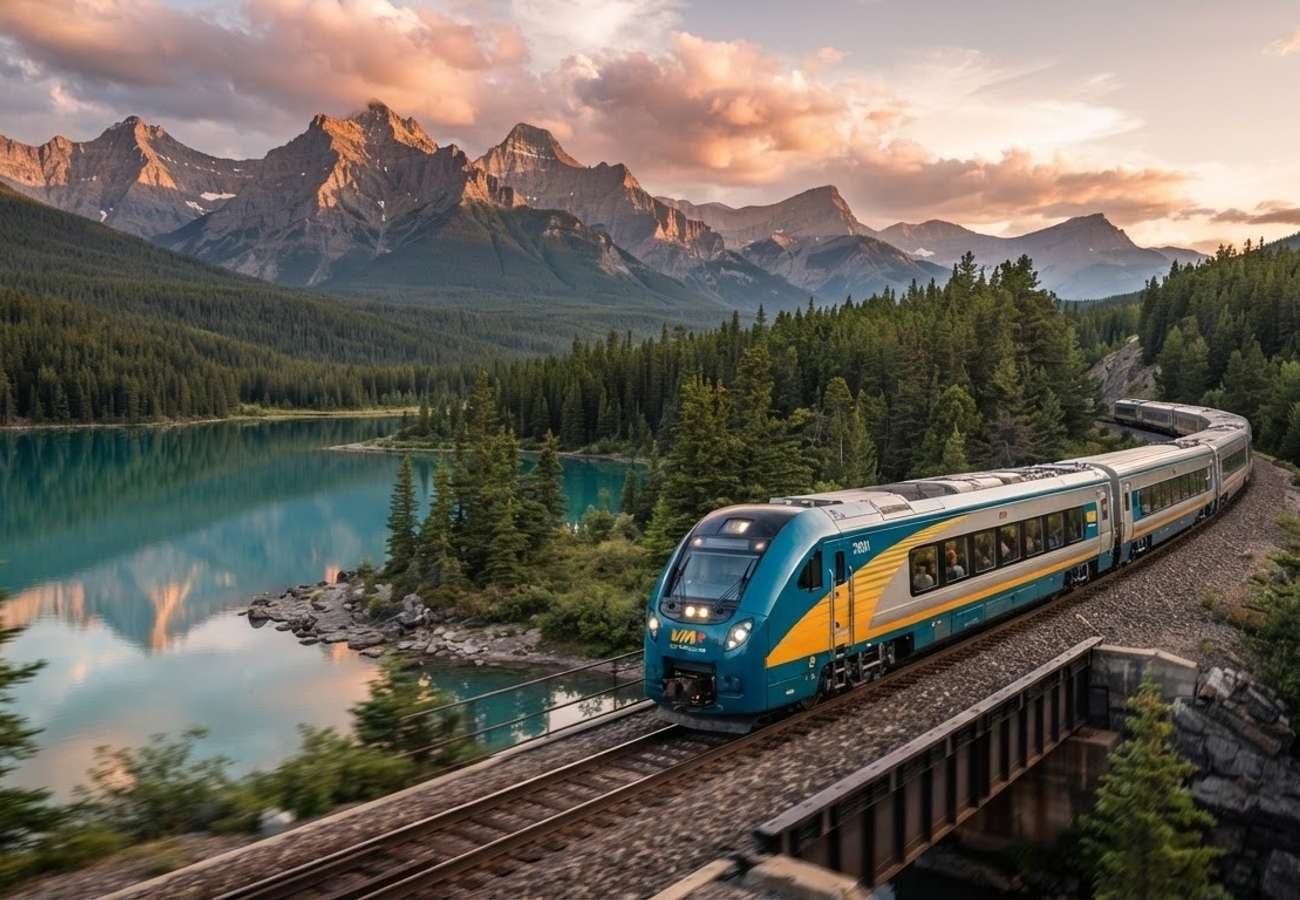
Image generated by AI
VIA Rail Canada is deploying 313 new Alstom Adessia passenger cars to replace aging rolling stock across eight primary national corridors. This massive fleet renewal affects nearly 400 communities, including major hubs like Toronto, Vancouver, Montreal, and Halifax.
National Fleet Modernization Details
VIA Rail Canada has initiated a comprehensive procurement program to replace outdated passenger equipment with a new generation of Alstom Adessia cars. This strategic upgrade targets the nation's most critical long-distance, regional, and remote rail lines, ensuring that essential transportation links remain viable across Canada's vast geography.
The rollout is designed to stabilize service reliability for passengers moving between urban centers and isolated towns. To ensure the longevity of this investment, Alstom has entered into a 15-year technical support agreement to maintain operational performance and fleet reliability.
Infrastructure and Route Impact Breakdown
The upgrade focuses on eight national rail corridors. Our analysis of the deployment plan indicates the following distribution of impact:
- Major Hubs Served: Toronto, Vancouver, Montreal, and Halifax.
- Community Reach: Nearly 400 distinct communities will see improved connectivity.
- Service Categories:
- Long-Distance: Connecting major provinces and regions.
- Regional: Facilitating travel between cities and surrounding satellite areas.
- Remote: Providing critical access to isolated communities with limited transport alternatives.
VIA Rail Fleet Renewal Specifications
| Project Feature | Specification |
|---|---|
| Railway Operator | VIA Rail Canada |
| Manufacturer | Alstom |
| Equipment Model | Adessia Passenger Cars |
| Total Unit Count | 313 New Cars |
| Technical Support Term | 15 Years |
| Scope of Service | Long-distance, Regional, and Remote |
Passenger Rights & Advisory
For the affected passenger, the transition to the Adessia fleet will be gradual. This means that for a period, journeys may consist of "mixed consists," where some cars are modern Alstom units and others are legacy equipment.
Our analysis of passenger rights during this transition suggests the following:
- Booking Expectations: Passengers should not assume all cars on a specific journey will be the new Adessia model. Check real-time VIA Rail updates for equipment availability on specific route segments.
- Service Disruptions: While the fleet upgrade aims to increase reliability, the phased introduction of new rolling stock can occasionally lead to scheduling adjustments. Passengers are advised to monitor official notifications.
- Compensation Rights: Under Canadian transportation regulations, passengers are entitled to specific remedies for significant delays or cancellations. If the rollout of new equipment leads to service interruptions, passengers should document the delay and request compensation via the VIA Rail claims portal.
- Accessibility: The new Adessia cars are designed to meet modern accessibility standards, providing a more inclusive environment for travelers with reduced mobility compared to the legacy fleet.
From a logistical perspective, this investment is a necessary response to the fragility of long-distance rail in North America. By securing a 15-year technical support contract with Alstom, VIA Rail is mitigating the risk of "maintenance gaps" that often plague aging fleets.
The focus on remote routes is particularly significant. In many parts of Canada, rail is not a luxury but a lifeline. Modernizing these specific corridors reduces the reliance on expensive short-haul flights and improves the carbon footprint of domestic transit. This move positions rail as a competitive alternative to air travel for regional journeys, potentially stimulating domestic tourism in underserved areas.
A modernized fleet is the only way to ensure the viability of long-distance rail in a 2026 transport economy.
Related Travel Guides
Disclaimer
This article is for informational and educational purposes only. It does not constitute legal, financial, or professional advice. While we strive to provide accurate and up-to-date information, travel policies, regulations, and conditions change rapidly. Always verify information with official sources before making travel decisions. Nomad Lawyer makes no representations about the accuracy, reliability, completeness, or suitability of the information provided. Readers should consult qualified professionals for advice specific to their circumstances. The views expressed in this article are those of the author and do not necessarily reflect the views of Nomad Lawyer.