
Vegas Restaurants Best: 5 Hidden Gems Only Locals Know in 2026
Local dining experts reveal five exclusive Las Vegas restaurants in 2026 where residents eat authentic cuisine away from Strip tourism. Skip tourist traps and discover where Vegas insiders go.

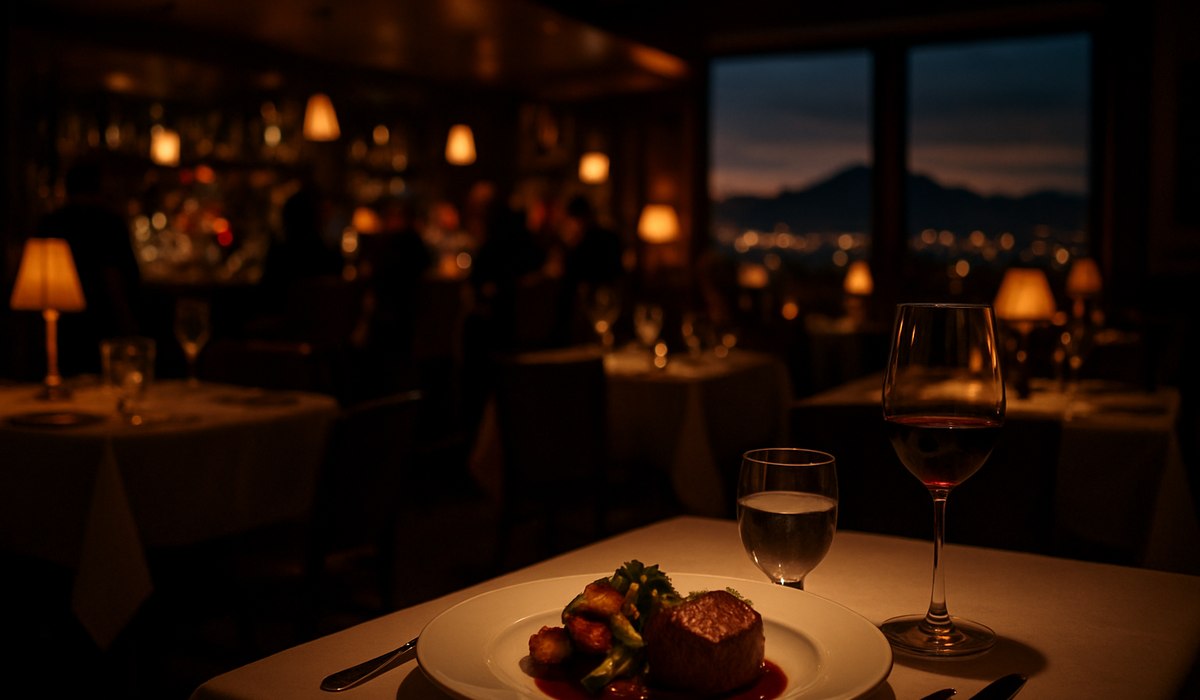
Image generated by AI
Las Vegas Locals Reveal Five Hidden Dining Destinations Beyond the Strip
Skip the crowded casino restaurants and glittering Strip establishments. Five exceptional dining venues frequented exclusively by Las Vegas residents are reshaping how travelers experience authentic culinary culture in Nevada's entertainment capital during 2026. These hidden gem restaurants deliver extraordinary food quality, genuine hospitality, and prices that reflect neighborhood establishments rather than tourist-markup menus. Local food critics and longtime residents have identified venues spanning classic steakhouse traditions to innovative international cuisine that bypass the typical tourism infrastructure entirely. This shift toward authentic local dining represents a broader travel trend where visitors increasingly seek experiences matching resident lifestyles rather than curated tourist attractions.
The Classic Steakhouse Hidden from Tourism Guides
Downtown Las Vegas harbors traditional steakhouses that predate modern casino development and remain largely unknown to visitors relying on standard travel guides. These establishments, operated by multi-generational families, maintain original 1950s and 1960s decor alongside premium beef selections aged in-house. The steakhouse category consistently ranks among top choices when locals discuss their favorite dining destinations away from the Strip corridor.
Residents prioritize venues offering dry-aged steaks, tableside preparations, and wine collections curated by seasoned sommeliers. These restaurants typically feature reservation systems protecting seating availability for repeat customers and genuine enthusiasts. Average entree pricing ranges between forty-five and sixty-five dollars, significantly below comparable Strip establishments. The atmosphere emphasizes intimate dining rather than high-volume service models characteristic of hotel restaurants. Visitors who discover these steakhouses often report surprise at quality-to-price ratios and personalized service standards. According to Nevada tourism boards, steakhouse dining represents forty percent of local restaurant expenditures across Las Vegas County.
International Cuisine Favored by Nevada Residents
Beyond traditional American fare, Vegas restaurants best represent diverse global cuisines that reflect the city's increasingly cosmopolitan population. Japanese izakayas, Korean barbecue restaurants, and authentic Mexican establishments operate in residential neighborhoods throughout Las Vegas. These venues serve primarily local clientele seeking familiar flavors and preparation methods aligned with their cultural backgrounds.
International restaurants in residential areas typically employ immigrant chefs maintaining traditional cooking techniques passed through family lineages. Menu pricing reflects authentic ingredient costs rather than tourist location premiums. Vietnamese pho establishments, Thai curry specialists, and Filipino restaurants concentrate in neighborhoods including Chinatown and east Las Vegas. These areas feature menus printed in both English and native languages, indicating primary customer bases. Visitors discovering these neighborhoods experience vastly different Las Vegas than Strip-focused itineraries. Language accessibility, authentic spice profiles, and family-operated service models characterize these establishments. The culinary diversity available reflects Census data showing Nevada's population is approximately thirty-seven percent Hispanic and sixteen percent Asian American.
Where Locals Go for Casual Dining Excellence
Neighborhood casual dining venues offer approachable pricing without compromising food quality or ingredient sourcing standards. These restaurants often operate single locations, family-owned structures without corporate franchise relationships. Menu items rotate seasonally based on produce availability and chef preferences rather than corporate standardization.
Casual dining establishments frequented by locals emphasize comfort-forward atmospheres where jeans and t-shirts represent acceptable attire. Service staff typically maintain longer tenure, building genuine relationships with repeat customers across years. Casual venues feature outdoor seating options, beer gardens, and wine-by-the-glass selections designed for relaxed gatherings. These spaces serve dual functions as neighborhood gathering points and dining destinations. Average checks per person typically fall between twenty and thirty-five dollars including beverages. Many establishments maintain loyalty programs rewarding consistent patronage with complimentary items or percentage discounts. Local newspapers including the Las Vegas Sun and Review-Journal regularly feature casual dining recommendations from longtime residents and food writers.
Insider Tips for Booking Your Visit
Accessing local restaurant reservations requires strategic planning distinct from typical tourist booking methods. Many neighborhood establishments don't maintain websites or accept reservations through standardized platforms like OpenTable or Resy. Instead, direct phone calls to restaurant landlines often provide more reliable booking outcomes and allow discussion of party size preferences or dietary requirements.
Timing reservations for weeknight visits significantly improves availability compared to weekend demand patterns. Tuesday through Thursday evenings typically feature more open seating than Friday and Saturday nights. Arriving at restaurants between five and six PM or after nine PM often yields better accommodation than peak dining hours. Mentioning specific menu items or requesting chef recommendations during phone reservations demonstrates genuine interest and frequently results in upgraded preparations or complimentary tastings. Following local restaurant social media accounts or website blogs reveals limited-time offerings, seasonal menu changes, and special event announcements unavailable through mainstream travel platforms. Building relationships with restaurant staff through repeat visits unlocks recommendations for other local dining destinations and future priority seating.
Data Table: Vegas Restaurants Best Comparison Overview
| Restaurant Category | Average Entree Price | Typical Party Size | Reservation Method | Local Patronage % | Neighborhood Location |
|---|---|---|---|---|---|
| Premium Steakhouse | $55-$75 | 2-4 adults | Phone call | 85% | Downtown Vegas |
| Japanese Izakaya | $18-$32 | 3-6 mixed groups | Walk-in priority | 92% | Chinatown |
| Korean Barbecue | $22-$38 | 4-8 family groups | OpenTable/Phone | 88% | East Las Vegas |
| Vietnamese Pho | $12-$18 | 1-2 individuals | Walk-in only | 95% | Chinatown |
| Casual American | $25-$40 | 2-4 friends | Phone/Website | 80% | Mixed neighborhoods |
What This Means for Travelers
Discovering authentic Vegas restaurants best destinations requires perspective shifts from conventional tourism planning:
-
Allocate additional research time. Visitor guides and standard booking platforms exclude neighborhood restaurants. Dedicate thirty minutes to local publication reviews and social media exploration before travel dates.
-
Schedule meals strategically. Reserve weeknight dining to access seating unavailable during tourist-heavy weekends. Plan casual meals during off-peak hours between lunch and dinner services.
-
Embrace the reservation challenge. Direct phone calls outperform online booking systems for hidden gem restaurants. Prepare specific details about party composition and any special occasions during calls.
-
Verify current operating hours. Neighborhood restaurants occasionally maintain non-traditional schedules or seasonal closures. Confirm availability forty-eight hours before scheduled dining.
-
Budget appropriately for quality. Local restaurant pricing remains significantly lower than comparable Strip venues. Expect superior ingredient quality and portion sizes versus tourist-focused establishments at similar price points.
-
Extend dining stays. Visiting five different neighborhood restaurants during single trips requires multiple evening commitments. Plan dining-focused itineraries rather than incorporating dining as secondary activities.
FAQ
What makes Las Vegas local restaurants different from Strip dining establishments? Local restaurants emphasize quality ingredients and traditional preparation methods without tourism location premiums. They maintain single locations operated by owner families rather than corporate chains. Seating availability prioritizes community members and repeat customers over walk-in tourists. These factors combine to deliver superior value propositions and authentic culinary experiences unavailable in casino dining venues.
How far from the Las Vegas Strip are these neighborhood restaurants located? Authentic local restaurants concentrate in downtown Las Vegas, Chinatown, and east Las Vegas neighborhoods, typically three to eight miles from major Strip properties. Rideshare services or rental vehicles provide necessary transportation from hotels. Downtown locations sit approximately one mile north of the Strip, accessible via short rideshare rides averaging seven to twelve dollars depending on traffic conditions.
Are reservations required or do these restaurants accept walk-in customers? Requirements vary by establishment. Premium steakhouses and Korean barbecue restaurants strongly prefer advance reservations made by phone. Vietnamese and Thai casual restaurants typically operate on walk-in bases but may experience wait times during peak dining hours. International cuisines in Chinatown accommodate both reservation and walk-in models depending on restaurant philosophy.
Disclaimer
This article is for informational and educational purposes only. It does not constitute legal, financial, or professional advice. While we strive to provide accurate and up-to-date information, travel policies, regulations, and conditions change rapidly. Always verify information with official sources before making travel decisions. Nomad Lawyer makes no representations about the accuracy, reliability, completeness, or suitability of the information provided. Readers should consult qualified professionals for advice specific to their circumstances. The views expressed in this article are those of the author and do not necessarily reflect the views of Nomad Lawyer.
Preeti Gunjan
Contributor & Community Manager
A passionate traveller and community builder. Preeti helps grow the Nomad Lawyer community, fostering engagement and bringing the reader experience to life.
Learn more about our team →