
Vancouver Island Explores Sustainability Fee to Fund Conservation
Non-profit destination stewardship group 4TVI is exploring a sustainability fee on Vancouver Island to fund trail and sanitation upgrades.
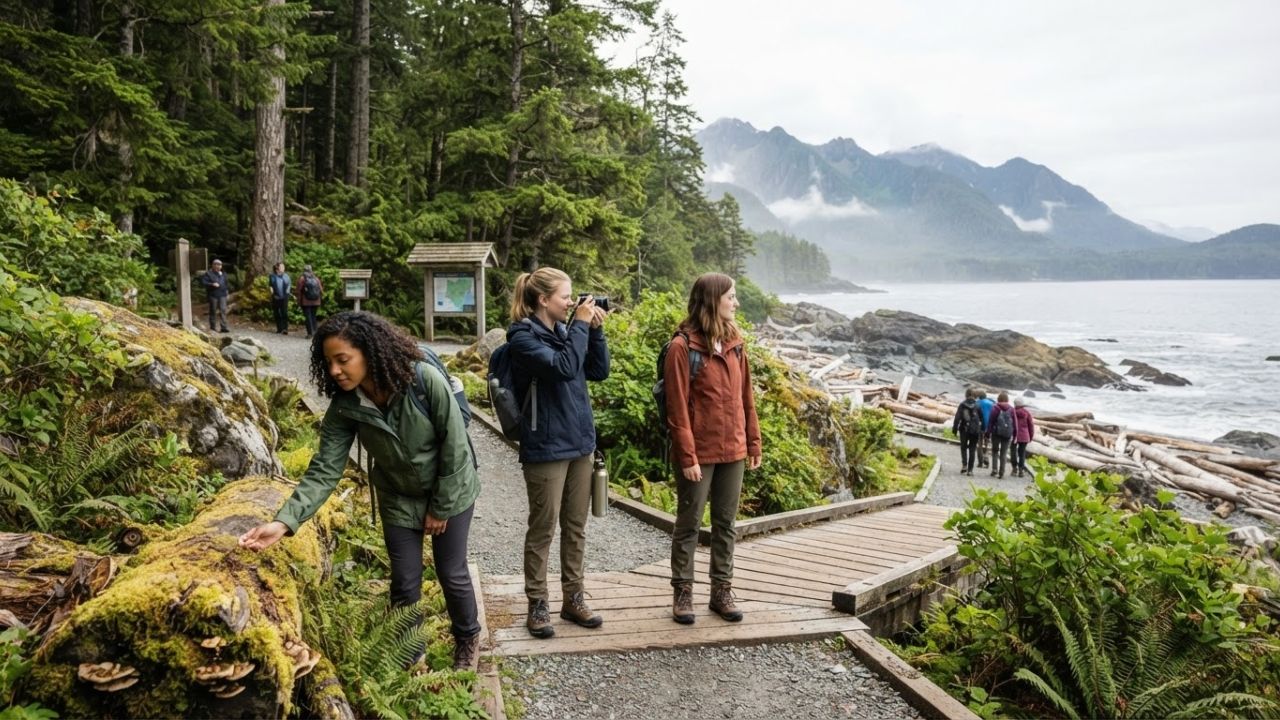
Image generated by AI
Vancouver Island is exploring a visitor sustainability fee to fund public infrastructure upgrades, trail maintenance, and indigenous-led conservation projects.
The Local Trend Revealed
Regenerative travel frameworks and visitor-funded conservation levies are reshaping the management of wilderness corridors in western Canada. Regional destination group 4TVI (formerly Tourism Vancouver Island), a non-profit organization serving more than three dozen participating communities and regional districts, is exploring the implementation of a visitor sustainability fee.
Unlike traditional marketing-driven models, this program plans to direct traveler contributions directly into trail maintenance, public sanitation upgrades, wastewater facilities, and indigenous-led conservation efforts to manage the ecological footprint of Pacific Northwest tourism.
Stewardship Fee & Ecosystem Conservation Specifications
Balancing resident tax bases with high-volume transient visitor flows requires establishing predictable funding streams. The following tables outline the proposed fee roadmap and target ecological projects.
| Strategy / Funding Phase | Target Implementation Window | Core Governance Entity | Revenue Allocation Targets |
|---|---|---|---|
| Exploratory Phase | Present to 2030 | 4TVI Non-Profit Stewardship | Public washrooms, trail upgrades, waste |
| Micro-Model Testing | Currently Operational (Tofino) | Municipalities & local hotels | 1% overnight accommodation levy |
| Island-Wide Rollout | Proposed for mid-2030s | Regional oversight boards | Ecotourism conservation & indigenous trails |
Vancouver Island visitor sustainability levy program roadmap.
| Target Ecological Asset | Primary Over-tourism Stressor | Proposed Conservation Remedy | Project Leadership |
|---|---|---|---|
| Temperate Rainforests | Trail erosion & foot traffic | Boardwalk upgrades & barrier repairs | Regional Parks & Districts |
| Coastal Enclaves & Beaches | Public wastewater & sanitation | Restroom construction & water checks | 4TVI & Municipal Councils |
| Wilderness Reserves | Habitat loss & wildlife contact | Indigenous-led conservation units | First Nations Joint Councils |
Ecosystem preservation and visitor infrastructure targets on Vancouver Island.
Cultural & Environmental Value
For the visitor, the real impact is that accommodation-based levies shift the financial burden of tourist infrastructure away from small local communities. The temperate rainforests and coastal reserves of Vancouver Island are fragile.
By building designated funding channels for First Nations joint councils, these fees directly support the preservation of ancient wooden boardwalks and marine parks, ensuring that indigenous communities lead the protection of their ancestral lands while maintaining safe pathways for future travelers.
Visitor Insider Tips
To travel responsibly and support Vancouver Island's communities during your trip, follow these local insights:
- Tofino's Local Fee: Be aware that select hotels and lodges in the coastal enclave of Tofino already apply a localized 1% sustainability fee. This contribution directly funds local trail restorations and community environmental programs.
- Leave No Trace on Boardwalks: When hiking through the Pacific Rim National Park Reserve, stick strictly to the wooden boardwalk trails to avoid compacting the root systems of moss-draped evergreen trees.
- Support Indigenous Businesses: Spend directly with First Nations-owned tour operations, art galleries, and wilderness lodges to ensure your travel dollars directly benefit local communities.
- Water Use Etiquette: Coastal municipalities face severe water restrictions during dry summer months. Conserve water during your stay at local guesthouses.
Tourism Outlook
The transition of 4TVI from a traditional marketing board into a destination stewardship authority reflects a global shift toward regenerative travel models. While an island-wide fee is in the early developmental stages with full implementation proposed for the mid-2030s, the ongoing research sets a benchmark for the Pacific Northwest.
By tying visitor numbers directly to ecological funding, Vancouver Island preserves its pristine wilderness value, securing its appeal as a sustainable global destination for decades to come.
Related Travel Guides
Singapore Airlines Expands Airbus A380 Superjumbo Flight Network
Shravani Mela 2026 Deoghar Travel Tips and Logistics Guide
10 Best Travel Tips for Vancouver Island, According to Reddit
Disclaimer
This article is for informational and educational purposes only. It does not constitute legal, financial, or professional advice. While we strive to provide accurate and up-to-date information, travel policies, regulations, and conditions change rapidly. Always verify information with official sources before making travel decisions. Nomad Lawyer makes no representations about the accuracy, reliability, completeness, or suitability of the information provided. Readers should consult qualified professionals for advice specific to their circumstances. The views expressed in this article are those of the author and do not necessarily reflect the views of Nomad Lawyer.