
USS John F Kennedy Aircraft Carrier Fast-Tracked Amid Naval Tensions in 2026
The U.S. Navy accelerates USS John F Kennedy aircraft carrier construction in 2026 as geopolitical crises mount. The Ford-class supercarrier now targets March 2027 commissioning following its sister ship's combat deployment.

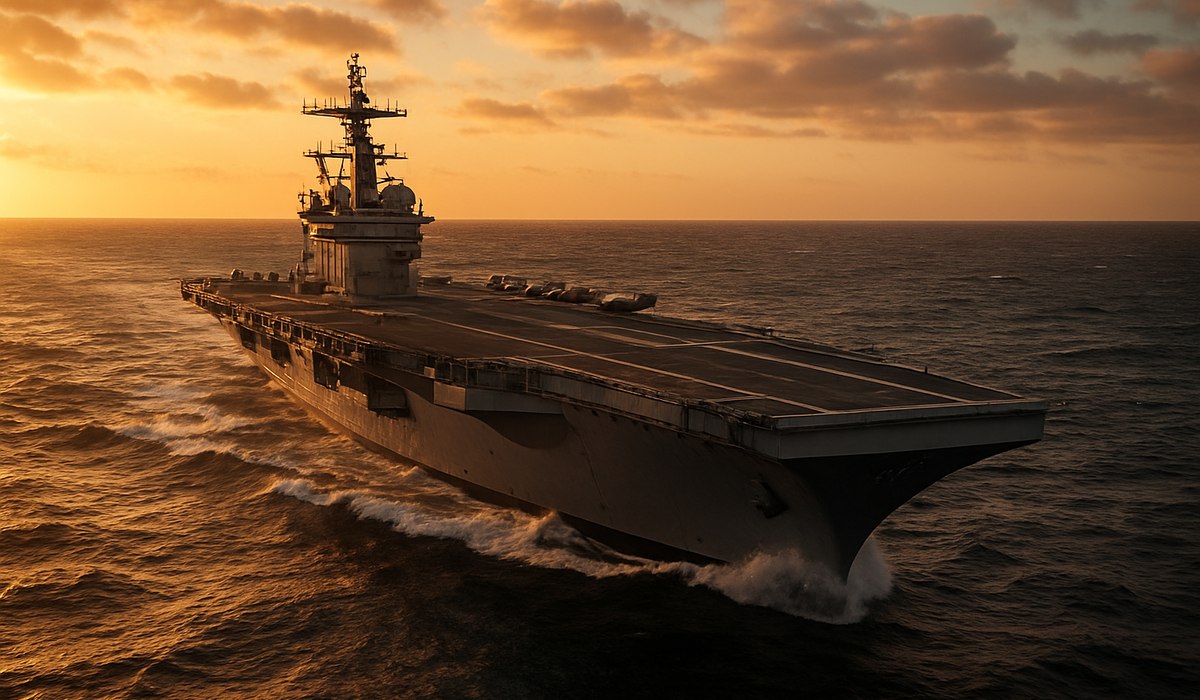
Image generated by AI
U.S. Navy Accelerates USS John F Kennedy Aircraft Carrier Deployment Amid Global Crises
The USS John F Kennedy aircraft carrier (CVN-79) is being fast-tracked into active service as the U.S. Navy faces unprecedented operational demands in early 2026. The Ford-class supercarrier's accelerated timeline follows combat deployment of its sister ship, USS Gerald R. Ford (CVN-78), during regional military operations. Navy officials announced the acceleration during a January 2026 visit by defense leadership to Huntington Ingalls Industries, America's premier military shipbuilder, signaling renewed urgency for the second vessel in the Ford-class fleet.
Why the U.S. Navy Is Accelerating the USS John F Kennedy's Timeline
The acceleration of the USS John F Kennedy aircraft carrier construction reflects multiple operational pressures converging simultaneously. The lead Ford-class carrier completed its maiden combat deployment exhausted after months of sustained operations, including participation in Operation Epic Fury against Iran. Additionally, the vessel suffered a significant shipboard fire that sidelined it from active duty, straining an already overstretched carrier fleet.
Huntington Ingalls Industries officials emphasize the critical nature of meeting deadlines. Eric Chewning, HII's executive vice president of maritime systems, stated that "there is a sense of urgency around everything we do," reflecting the Navy's commitment to delivering operational capability when nations need it most. The March 2027 target commissioning date represents a compressed timeline compared to original planning schedules for the Ford-class program.
The Ford-Class Supercarrier Program and Its Challenges
The Ford-class represents a generational leap in naval aviation capability, featuring advanced electromagnetic catapult systems, improved power generation, and enhanced crew quarters compared to predecessors. Each USS John F Kennedy aircraft carrier-type vessel costs approximately 13 billion dollars and requires five years of construction followed by extensive sea trials. The CVN-79 designation marks this as the Navy's second-newest supercarrier, with future hulls already authorized through 2030.
Construction challenges have historically plagued the Ford-class program, though recent progress reports indicate improved manufacturing efficiency. The USS John F Kennedy aircraft carrier completed major hull-assembly milestones ahead of schedule in late 2025, according to Navy and shipbuilder announcements. Complex integration of reactor systems, catapult technologies, and electromagnetic warfare suites demands precision engineering that cannot be rushed without compromising operational safety.
Combat Deployment of USS Gerald R. Ford: The Catalyst for Change
USS Gerald R. Ford's deployment proved transformational for naval strategy and force-structure planning. The carrier strike group's participation in Operation Absolute Resolve during early January 2026 marked the Ford-class's combat baptism, demonstrating that next-generation supercarrier concepts perform under real-world conditions. However, the extended operational tempo exhausted personnel and revealed maintenance requirements that extended scheduled refurbishment periods.
The carrier's subsequent fire incident highlighted vulnerabilities in shipboard systems that require attention across the entire Ford-class fleet. These operational lessons directly informed acceleration decisions for the USS John F Kennedy aircraft carrier program, with engineering teams implementing lessons-learned modifications before final construction phases. The Navy's willingness to compress timelines reflects confidence in design maturity while acknowledging global security deterioration that demands enhanced carrier presence.
Combat Deployment Impact on Naval Readiness and Global Security
Current carrier availability constraints create strategic vulnerabilities the Navy is actively addressing. With only three to four supercarriers deployed globally at any given time under standard fleet-management principles, unexpected maintenance or combat losses cascade through operational planning. The "rule of thirds" divides the 11-carrier fleet into deployment, preparation, and maintenance phases—meaning USS John F Kennedy aircraft carrier commissioning directly increases sustained combat capability.
Geopolitical developments in 2026 validate accelerated shipbuilding priorities. Regional tensions, emerging threats to maritime commerce, and great-power competition have restored carrier operations to Cold War levels of activity. The March 2027 operational availability date for the USS John F Kennedy aircraft carrier positions the Navy to maintain carrier presence in multiple theaters simultaneously, addressing both Indo-Pacific strategic competition and Middle Eastern contingencies that dominated 2026 operations.
Key Naval Construction and Deployment Metrics
| Metric | Details |
|---|---|
| Vessel Name | USS John F Kennedy (CVN-79) |
| Class | Ford-class nuclear supercarrier |
| Builder | Huntington Ingalls Industries Newport News Shipyard |
| Original Timeline | 2028 commissioning |
| Accelerated Timeline | March 2027 commissioning |
| Displacement | 100,000+ tons full load |
| Crew Complement | 4,660+ sailors and aviators |
| Air Wing Capacity | 65+ aircraft |
| Reactor Type | 2x A1B naval reactors (50-year service life) |
| Construction Cost | Approximately $13 billion |
| Sea Trials Commenced | January 2026 |
| Acceleration Announcement | January 6, 2026 |
What This Means for Travelers
While military shipbuilding may seem distant from travel planning, major U.S. Navy operations create ripple effects across global shipping lanes, port access, and regional stability affecting tourist destinations.
-
Port Accessibility: Accelerated carrier operations may temporarily restrict access to naval homeports like Naval Station Norfolk, Norfolk, Virginia, where public tours and waterfront activities occur. Check Virginia tourism websites before planning naval base area visits.
-
Regional Stability Impact: Enhanced naval presence supports stability in key tourism regions including the Middle East, Mediterranean, and Southeast Asia, potentially making destinations in these areas more secure for travel during 2026-2027.
-
Military-Related Tourism: History enthusiasts visiting Hampton Roads, Virginia—home to the Naval Station Norfolk—may encounter enhanced security measures or restricted waterfront access during carrier operational phases. Plan museum visits to the USS Wisconsin or other permanent museum ships accordingly.
-
Shipping Route Changes: Commercial shipping route modifications resulting from carrier operations may affect cruise itineraries and port schedules. Monitor cruise line announcements during spring 2027 for potential routing adjustments.
-
Naval Aviation Displays: The commissioning ceremony for USS John F Kennedy aircraft carrier in March 2027 will feature naval aviation demonstrations that may be viewable from public areas in Hampton Roads, attracting military enthusiasts planning regional travel.
Frequently Asked Questions
What is the USS John F Kennedy aircraft carrier? The USS John F Kennedy (CVN-79) is the second ship in the U.S. Navy's Ford-class nuclear supercarrier fleet. This massive vessel displaces over 100,000 tons and carries approximately 65 aircraft. It features advanced electromagnetic catapult systems and next-generation reactor technology providing 50 years of operational service without refueling.
Why is the USS John F Kennedy being fast-tracked? The Navy accelerated the USS John F Kennedy aircraft carrier timeline due to increased global operational demands, combat deployment experience of its sister ship USS Gerald R. Ford, and current shortages in available carrier strike groups. Regional tensions and great-power competition necessitate expanded naval presence that only additional supercarriers can provide.
When will USS John F Kennedy be operational? The original commissioning timeline targeted 2028, but recent acceleration initiatives moved the target date to March 2027. This compressed schedule reflects Navy confidence in construction progress at Huntington Ingalls Industries and the critical nature of global security requirements emerging throughout 2026.
How does USS John F Kennedy compare to previous carrier classes? The Ford-class represents significant technological advancement
Raushan Kumar
Founder & Lead Developer
Full-stack developer with 11+ years of experience and a passionate traveller. Raushan built Nomad Lawyer from the ground up with a vision to create the best travel and law experience on the web.
Learn more about our team →