
USA Hotel Renovations Face the AI Test as Hidden Plumbing Demands Human Expertise
USA Hotel Renovations Face the AI Test as Hidden Plumbing Demands Human Expertise

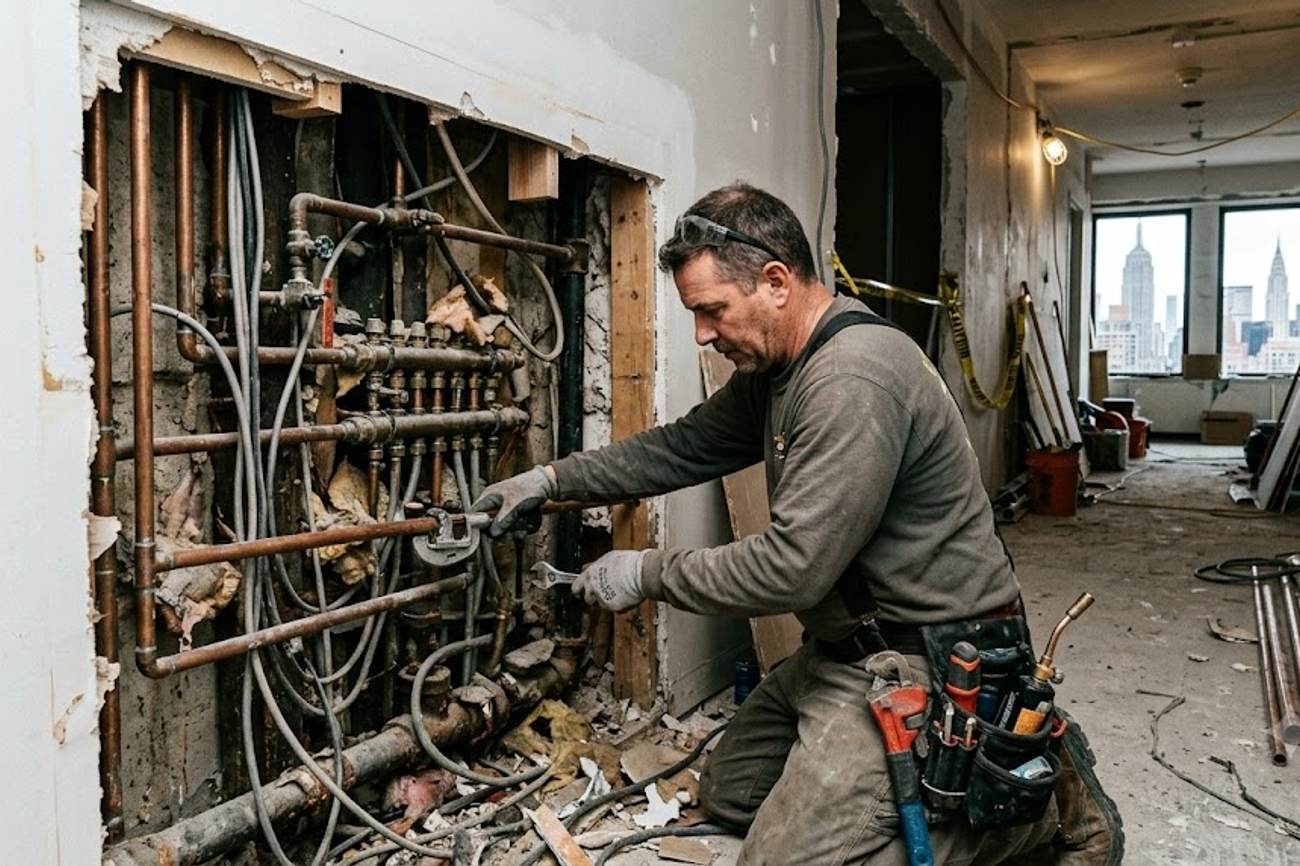
Image generated by AI
[Atlanta, October 2024] — Artificial intelligence is infiltrating the hotel design and renovation sector, but industry leaders warn that digital tools cannot replace human intervention when physical infrastructure failures occur during construction. Tom English, Chief Growth Officer at Envision Hospitality, asserts that while AI accelerates the conceptual phase of hospitality development, it remains incapable of managing the "hidden" variables of aging building stocks.
Envision Hospitality, an Atlanta-based firm specializing in interior design and furniture, fixtures, and equipment (FF&E) procurement, currently manages renovations for major global portfolios including Marriott International, Hilton, Hyatt, and IHG Hotels & Resorts. The firm operates a specialized network of 22 field-based design and procurement consultants and 17 interior designers across the United States to mitigate the risks associated with live-site renovations.
The Infrastructure Gap in AI Design
The primary trigger for the continued reliance on human expertise is the unpredictability of physical assets. AI can generate aesthetic blueprints and optimize layouts, but it cannot predict the condition of plumbing or electrical systems hidden behind walls in older properties.
English highlights a recurring industry crisis: the "discovery phase" of a renovation. In a recent project, the removal of walls revealed a stacked plumbing structure that contradicted existing blueprints. This structural anomaly immediately invalidated the digital plan, requiring an immediate shift in the development and renovation cycle. Such discrepancies create a ripple effect, impacting labor schedules, supply chain deliveries, and overall project timelines.
Because AI lacks the tactile ability to inspect a site or the practical judgment to pivot when a pipe bursts or a wall is misplaced, human designers and procurement specialists must intervene to prevent catastrophic financial losses.
Scope of Impacted Markets
The tension between AI-driven design and manual execution affects a broad spectrum of the North American hospitality market. The impact is felt most acutely in the following segments:
- Economy and Roadside Hotels: High-volume properties where rapid turnover and minimal downtime are essential for survival.
- Limited-Service Properties: Brands such as Fairfield Inn, SpringHill Suites, and Hampton Inn, where standardized brand compliance must meet local building constraints.
- Full-Service and Boutique Hotels: High-end projects including DoubleTree and Tempo, where "soft brand" identities require a narrative-driven design that AI cannot authentically synthesize.
- Aging Urban Assets: Properties in historic city centers where outdated wiring and plumbing frequently clash with modern luxury standards.
Practical Traveler Advisory and Strategic Insights
For the average traveler, the battle between AI efficiency and human oversight manifests in the guest experience during "phased renovations." Because hotels cannot cease operations without losing critical revenue, construction typically occurs on a floor-by-floor basis.
Passenger and Guest Impact:
- Reduced Inventory: Travelers may find fewer available rooms at preferred properties as sections are closed for upgrades.
- Inconsistent Experiences: Guests may encounter a "split personality" hotel, where one floor features cutting-edge modern design while another remains dated.
- Noise and Disruption: The necessity of human-led, unplanned repairs (such as the aforementioned plumbing issues) often leads to extended construction timelines and unexpected noise disturbances.
- Localized Aesthetics: The insistence on human-led design means guests are more likely to see "story-driven" interiors that reflect the local culture of the city rather than generic, AI-generated templates.
The Revenue Protection Strategy
The financial stakes of hotel renovation are binary: a property is either earning revenue or it is a cost center. Any delay caused by a failure to adapt to site realities directly reduces the Return on Investment (ROI).
Envision Hospitality's operational model prioritizes the "commercial interest" of the owner. By deploying consultants directly into the field, the firm ensures that when a physical obstacle is discovered, the procurement of alternative materials happens in real-time. This prevents the "dead air" periods where rooms remain unoccupied but unavailable for sale.
The objective is to balance the desire for modern, clean aesthetics—which drive guest satisfaction and demand—with the rigid necessity of maintaining a functional, revenue-generating building.
The Evolution of Hospitality Design
Founded in 2004 by Walter Jones and Chris Parker, Envision Hospitality has evolved from a niche economy-brand specialist into a comprehensive design powerhouse with over 40 years of collective industry experience. This trajectory mirrors a wider trend in the U.S. Travel Association ecosystem: a shift toward "experiential" stays.
Modern guests no longer view a hotel room as merely a place to sleep; they expect a destination. This requires a narrative approach to design. While AI can suggest a color palette, it cannot understand the nuanced relationship between a "soft brand" identity and the specific desires of a business traveler in Atlanta versus a leisure traveler in a coastal resort.
The future of the industry lies in a hybrid model. AI will continue to handle the "heavy lifting" of early-stage ideation and data-driven pricing, but the final execution—the actual physical transformation of a space—will remain a human-centric endeavor.
FAQ: Hotel Renovations 2024
Will AI make hotel rooms look the same everywhere? Not if human designers maintain control. While AI promotes trends, firms like Envision Hospitality focus on "narrative design," ensuring that boutique and soft-brand hotels maintain a unique local identity that distinguishes them from generic corporate templates.
Why do hotel renovations take so long? Many hotels are older structures with undocumented plumbing and electrical systems. When "hidden" issues are discovered behind walls, projects must be redesigned on the fly to accommodate the building's actual physical state, causing delays.
Can I get a discount if a hotel is under renovation? Often, yes. Because owners must balance revenue with construction, they may offer lower rates for rooms on floors adjacent to construction zones to maintain occupancy levels during the upgrade process.
How do "soft brands" differ from standard hotel chains? Soft brands allow hotels to maintain their individual identity and unique design while still benefiting from the reservation systems and loyalty programs of a major parent company like Hilton or Marriott.
The blueprint may be digital, but the bricks and mortar remain stubbornly human.
Related Travel Guides
Disclaimer
This article is for informational and educational purposes only. It does not constitute legal, financial, or professional advice. While we strive to provide accurate and up-to-date information, travel policies, regulations, and conditions change rapidly. Always verify information with official sources before making travel decisions. Nomad Lawyer makes no representations about the accuracy, reliability, completeness, or suitability of the information provided. Readers should consult qualified professionals for advice specific to their circumstances. The views expressed in this article are those of the author and do not necessarily reflect the views of Nomad Lawyer.
Naina Thakur
Contributor & Travel Specialist
Travel enthusiast and legal writer covering visa regulations, responsible tourism, and cultural journeys across global destinations.
Learn more about our team →