
US Sustainable Fishing Tourism Guide 2026: South Atlantic Red Snapper, Yellowstone Native Trout, and Alaska Seasons

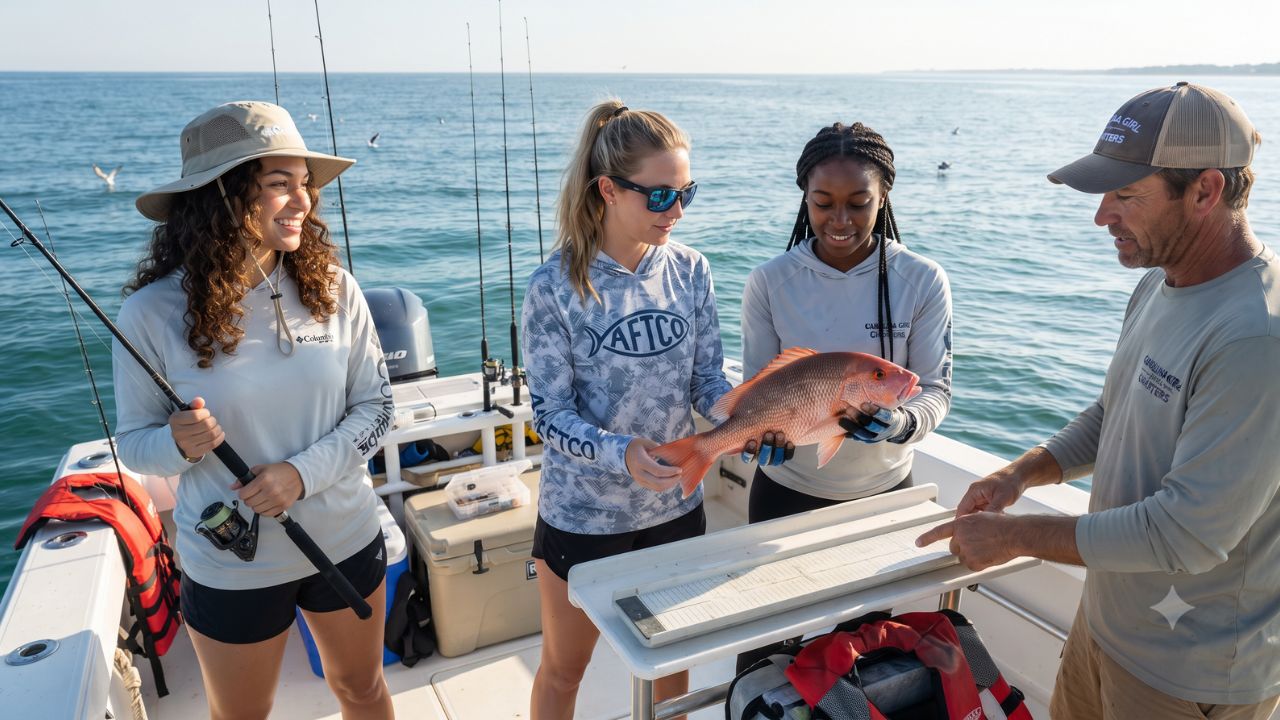
While catch-and-release is celebrated as standard angler etiquette across America, catching an invasive lake trout in Yellowstone Lake carries a mandatory kill order to protect native cutthroat populations, proving that modern sport fishing is dictated strictly by ecological science. From the newly approved October red snapper windows across the South Atlantic to thermal afternoon closures on Montana freestone rivers and non-resident reef licenses in Hawaii, fishing tourism in the United States requires travelers to understand complex regional conservation mandates before casting a line.
Recreational angling generates massive economic activity across coastal harbors and mountain watersheds. Rather than relying on static seasonal calendars, state and federal wildlife authorities now deploy adaptive fishery management. Anglers who take the time to learn species-specific regulations, master barotrauma mitigation tools, and verify real-time watershed advisories enjoy exceptional outdoor adventures while directly funding the restoration of fragile aquatic habitats.
The October Snapper Window: Data Trials and South Atlantic Reef Rules
A major highlight of the autumn angling calendar is the South Atlantic red snapper season regulated by NOAA Fisheries. For 2026, federal authorities authorized special state-managed permit seasons across Florida, Georgia, and South Carolina running from 9 to 22 October, operating alongside a separate federal recreational window from 9 to 11 October. Under federal rules, the bag limit is strictly one red snapper per person per day with no minimum size limit. Anglers cannot combine the two programs and must declare their specific framework before departing the marina.
In Florida, private recreational anglers targeting reef fish must hold a valid saltwater fishing license and obtain the free State Reef Fish Angler designation. Anglers aged 16 and older on private vessels must log their trips prior to leaving the dock, while licensed charter captains handle declarations on behalf of paying clients. The Florida trial permits a combined aggregate limit of ten fish within the snapper and grouper complex, of which only one may be a red snapper. Once an angler reaches this ten-fish threshold, all bottom fishing for reef species must cease immediately.
A central element of offshore reef conservation is managing barotrauma—internal injuries caused by rapid expansion of gases in a fish brought up from deep water. Anglers are legally required to carry descending devices and dehooking tools to return released reef fish to ocean floor depths safely, ensuring high post-release survival rates.
USA REGIONAL FISHING SEASONS & CONSERVATION MATRIX 2026
| Entity / Facility | Delays | Cancellations | Details |
|---|---|---|---|
| Fishery / Target | Geographic Region | 2026 Regulatory Window | Key Angling Rule |
| Red Snapper (Special) | FL / GA / SC Coast | 9–22 October 2026 | 1 snapper / 10 limit |
| Red Snapper (Federal) | South Atlantic | 9–11 October 2026 | 1 fish daily / no min |
| Coho Salmon Closure | Sitka, Alaska | 15 Sep–31 Oct 2026 (Closed) | Bear Cove/Deep Inlet |
| King Salmon Nonresident | SE Alaska Marine | Expired 30 Sep 2026 | Limit was raised to 4 |
| Hoot Owl Heat Mandate | Montana Rivers | Summer afternoons (2pm–mid) | Water temp thresholds |
| Yellowstone Native Trout | Yellowstone NP | Regular season to autumn | 100% Release Native |
| Yellowstone Lake Trout | Yellowstone Lake | Mandatory Kill on Catch | Eradicate invasive |
| Nonresident Marine Lic. | Hawaiian Waters | Year-round ($20/$40/$70) | Funding ocean reefs |
What Makes Regional Fishery Management and Conservation Distinct
The economic scale of recreational angling is massive. According to NOAA’s national economic data, recreational saltwater fishing supported $145.4 billion in sales impacts, 694,041 full- and part-time jobs, $47.1 billion in income, and $78.4 billion in total value added across coastal economies. Supporting this infrastructure is the federal U.S. Fish and Wildlife Service Sport Fish Restoration Program, which allocated $442,852,945 in fiscal year 2026 funded through excise taxes on fishing tackle, boat fuel taxes, and import duties. Alaska received approximately $22.1 million, Florida received $17.1 million, and Montana secured $11.0 million for fish population monitoring, boat ramp maintenance, and public aquatic education.
In Alaska, rules change dynamically based on seasonal fish returns. While Southeast Alaska temporarily raised its annual nonresident king salmon limit to four fish measuring 28 inches or longer during August and September 2026, conservation concerns prompted immediate action in Sitka. Alaska Department of Fish and Game closed Bear Cove and Deep Inlet to sport fishing for coho salmon from 15 September through 31 October 2026 to ensure returning salmon met critical hatchery breeding quotas.
In freshwater mountain ecosystems, climate resilience dictates angling hours. Montana fisheries enforce "hoot owl" restrictions on stressed rivers during low-flow summer periods, banning fishing between 2:00 PM and midnight to prevent fish mortality in warm water. Inside Yellowstone National Park, thermal restrictions on the Firehole, Madison, and Gibbon rivers ended on 4 September 2026 as autumn water temperatures cooled. Anglers in Yellowstone must practice strict selective harvesting: all native Yellowstone cutthroat trout must be returned immediately to the water, while every non-native predatory lake trout caught in Yellowstone Lake must be eradicated to safeguard the native fishery.
In the Pacific, Hawaii mandates that nonresident recreational marine anglers aged 15 and older purchase a state saltwater fishing license priced at $20 for one day, $40 for seven days, and $70 annually (with exemptions for active-duty military and their dependents). The program generates roughly $1 million each year to finance artificial reef construction, fish aggregating devices (FADs), and native stock replenishment.
Visitor Insider Tips
- Verifying Reef Fish Gear Before Booking Charters: When booking an offshore charter in Florida or Georgia during the October red snapper season, confirm that the vessel is registered on the state reef fish registry and carries certified descending devices, non-stainless steel non-offset circle hooks, and dehooking tools.
- Biosecurity Gear Checks in National Parks: To prevent the spread of invasive mudsnails and whirling disease, Yellowstone National Park requires mandatory biological inspections of all watercraft—including angler float tubes, paddleboards, and drift boats. Thoroughly clean, drain, and dry all waders, boots, and fly lines before arriving at park inspection stations.
- Tracking Montana Thermal River Advisories: Check real-time streamflow and water temperature gauges online each morning through state wildlife portals. Even after thermal restrictions lift, target trout during early morning hours (6:30 AM to 11:00 AM) using barbless hooks to minimize fight time and release stress.
- Purchasing Hawaii Marine Licenses Online: Purchase your Hawaii nonresident marine fishing license through official state web portals prior to departure to avoid transaction delays at rural harbor docks.
Cultural and Environmental Context
Modern fishing tourism functions as a primary funding mechanism for wildlife conservation across North America. Through the user-pay, public-benefit model established by the Sportfish Restoration framework, excise taxes on rods, reels, line, and marine fuel channel hundreds of millions of dollars directly into state conservation treasuries.
Simultaneously, regional fisheries face intensifying pressures from ocean warming, drought, and invasive species. In response, indigenous communities, commercial fishing fleets, and recreational angler alliances work collaboratively to restore natural spawning gravels, remove obsolete dams, and enforce habitat closures. By respecting localized harvest limits, utilizing circle hooks, and releasing native breeding stocks, traveling anglers play an indispensable role in safeguarding wild fisheries for future generations.
FAQ: US Fishing Tourism & Rules 2026
What are the dates for the October 2026 red snapper season?
The special state permit season in Florida, Georgia, and South Carolina runs from 9 to 22 October 2026, while the federal recreational season is open from 9 to 11 October 2026.
Why does Yellowstone National Park require anglers to kill lake trout?
Non-native lake trout prey heavily on native Yellowstone cutthroat trout, threatening the park's entire aquatic food web. Anglers are legally required to kill all lake trout caught in Yellowstone Lake.
How much does a nonresident marine fishing license cost in Hawaii?
Nonresident licenses cost $20 for a single day, $40 for seven days, and $70 for an annual pass, with fee revenues dedicated to artificial reefs and marine habitat restoration.
What are "hoot owl" fishing restrictions in Montana?
Hoot owl restrictions prohibit fishing daily between 2:00 PM and midnight on specified rivers experiencing high water temperatures and low flows to prevent fish mortality.
Respecting the rhythm of wild waters and honoring species-specific conservation rules ensures that every cast connects you to the living heart of America's great outdoors.
Related Travel Guides
Disclaimer
This article is for informational and educational purposes only. It does not constitute legal, financial, or professional advice. While we strive to provide accurate and up-to-date information, travel policies, regulations, and conditions change rapidly. Always verify information with official sources before making travel decisions. Nomad Lawyer makes no representations about the accuracy, reliability, completeness, or suitability of the information provided. Readers should consult qualified professionals for advice specific to their circumstances. The views expressed in this article are those of the author and do not necessarily reflect the views of Nomad Lawyer.
Raushan Kumar
Founder & Lead Developer
Full-stack developer with 11+ years of experience and a passionate traveller. Raushan built Nomad Lawyer from the ground up with a vision to create the best travel and law experience on the web.
Learn more about our team →