
US Visa Revocation Policy Alert: Targeting B-1 and B-2 Asylum Seekers
The United States implements a sweeping visa revocation initiative targeting up to 200,000 B-1 and B-2 visa holders who subsequently sought asylum.

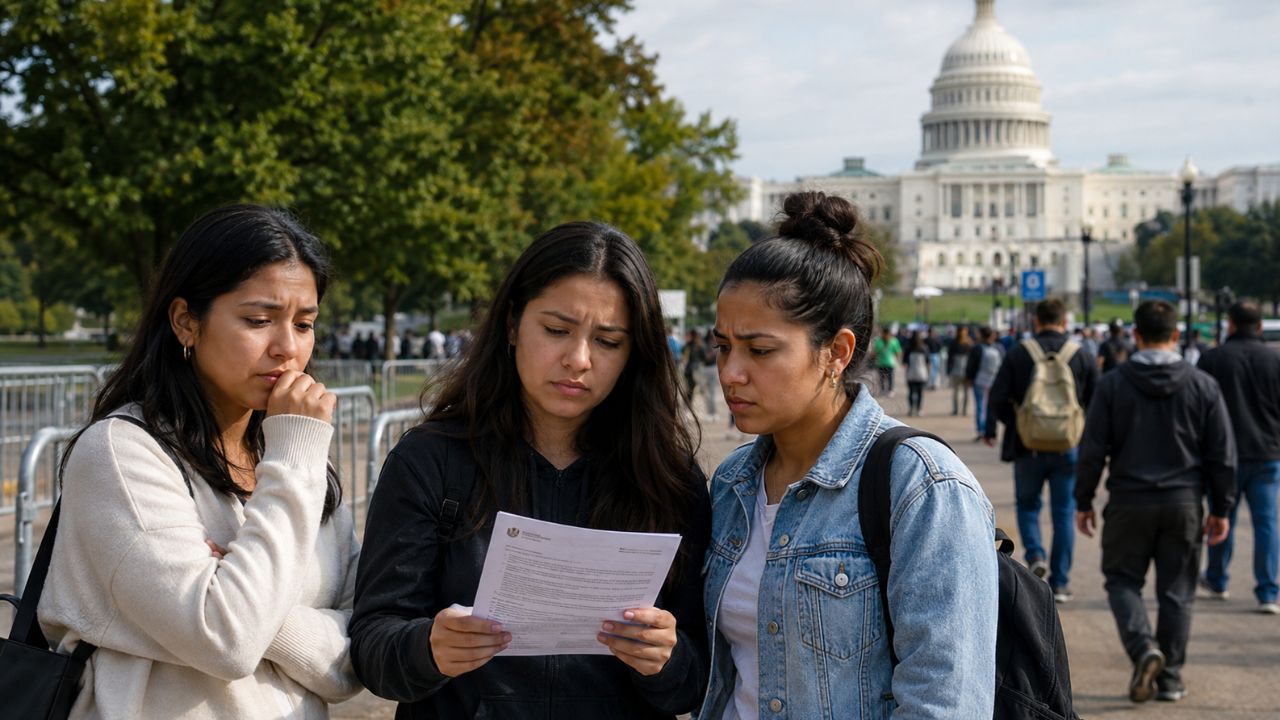
Image generated by AI
The United States is implementing a sweeping administrative policy targeting short-term visitors who have subsequently sought asylum, impacting up to 200,000 foreign nationals. Coordinated by the Trump administration and the Department of Homeland Security (DHS), the US visa revocation initiative represents the largest single mass cancellation of travel documents in the nation's history.
State Department Crackdown Targets B-1 and B-2 Classifications
The administrative maneuver specifically targets individuals holding B-1 and B-2 nonimmigrant classifications issued during the decade spanning from 2016 to 2026. Historically, B-1 credentials are allocated for temporary business engagements, while B-2 credentials are designated for tourism, family visitations, and essential medical care.
State Department officials are working to identify individuals who entered the country using these temporary authorizations but subsequently filed applications to remain permanently under protective asylum status. According to a departmental spokesperson, this review is continuous, and the final number of revocations will be processed incrementally on a rolling basis.
The policy will retroactively impact travelers who arrived on short-term visas and later requested protective status due to political instability, economic collapse, or human rights concerns in their home countries. Over the preceding 18 months, the State Department has already rescinded approximately 175,000 travel authorizations from individuals accused of regulatory infractions or expressing opposition to domestic policy.
Legal Status Implications and Port of Entry Scrutiny
Federal officials have clarified that the US visa revocation will not automatically trigger immediate deportation proceedings. Instead, for the thousands of applicants with protective claims pending in the backlogged immigration courts, the cancellation results in a sudden loss of their nonimmigrant status. This places them in a precarious legal position, restricting their ability to navigate daily activities while they await their hearings.
Additionally, the U.S. Customs and Border Protection (CBP) is applying intense scrutiny to current B-1 and B-2 applicants. Travelers must now demonstrate strong ties to their native lands, provide proof of an imminent return, and explicitly affirm that they do not intend to request protective status upon arrival.
Civil rights groups, including the American Civil Liberties Union (ACLU) and the American Immigration Lawyers Association (AILA), are preparing to challenge the sweeping policy in federal courts. They argue that the initiative violates due process rights and conflicts with federal statutes that permit foreign nationals to request asylum after physically arriving in the country.
Support for Local Hospitality Communities and Sustainable Travel
During times of policy shifting, travelers can minimize the regional economic impact of travel declines by supporting local hospitality workers and independent small businesses. Choosing independent motels, family-owned diners, and regional transport providers directly assists local communities.
Travelers can also adopt eco-friendly habits by utilizing public transportation systems, such as Amtrak rail corridors or local subway networks in major entry hubs, which consume up to 40 to 50 percent less energy per passenger-mile than private vehicles. Bypassing car rentals in favor of public transit helps reduce the overall environmental carbon footprint of your journey.
Insider Advice for B-1 and B-2 Visa Travelers
Travel specialists suggest several tips for travelers preparing to enter the United States under tourist or business visa classifications:
- Compile Rigorous Proof of Ties: When passing through the Port of Entry, carry printed documents demonstrating strong economic and social ties to your home country. This includes employment verification letters, property deeds, business ownership records, and confirmed return flight tickets.
- Observe Off-Peak Travel Windows: Plan your entry during the off-peak windows of late spring (April to May) or early autumn (September to mid-October). During these periods, airport arrival queues are typically shorter, and airline fares are more affordable.
- Maintain Direct Communication: When questioned by CBP officers at the border, remain polite, direct, and honest. Answer questions clearly and avoid presenting documents suggesting an intent to search for work or seek permanent residency.
- Sample Local Culinary Specialties: If transiting through New York, sample a classic New York-style bagel from a local bakery. In Chicago, try a slice of authentic deep-dish pizza at an independent pizzeria.
- Explore Quiet Transit Spots: If stranded or transiting through Washington D.C., escape the airport noise by visiting the quiet Dumbarton Oaks Gardens in Georgetown. Alternatively, watch planes land directly overhead at Gravelly Point Park near Reagan National Airport.
FAQ: US Visa Revocation Initiative
Who is targeted by the new US visa revocation policy? The policy targets foreign nationals who entered the United States on B-1 (business) or B-2 (tourism) visas between 2016 and 2026 and subsequently applied for asylum.
Will the visa revocation trigger immediate deportation? No, the revocation does not trigger immediate deportation, but it strips individuals of their nonimmigrant status, creating legal complexities while their asylum cases proceed.
How many people could be impacted by this policy? The Department of Homeland Security and the State Department estimate that up to 200,000 foreign nationals could have their travel documents cancelled.
What must new B-1 and B-2 visa applicants show at the border? Applicants must present clear evidence of their intent to return home, including return tickets and proof of strong economic and family ties in their native lands.
Related Travel Guides
Disclaimer
This article is for informational and educational purposes only. It does not constitute legal, financial, or professional advice. While we strive to provide accurate and up-to-date information, travel policies, regulations, and conditions change rapidly. Always verify information with official sources before making travel decisions. Nomad Lawyer makes no representations about the accuracy, reliability, completeness, or suitability of the information provided. Readers should consult qualified professionals for advice specific to their circumstances. The views expressed in this article are those of the author and do not necessarily reflect the views of Nomad Lawyer.
Preeti Gunjan
Contributor & Community Manager
A passionate traveller and community builder. Preeti helps grow the Nomad Lawyer community, fostering engagement and bringing the reader experience to life.
Learn more about our team →