
American Travelers Become Douro's Top Foreign Visitors as Northern Portugal Surges in 2026

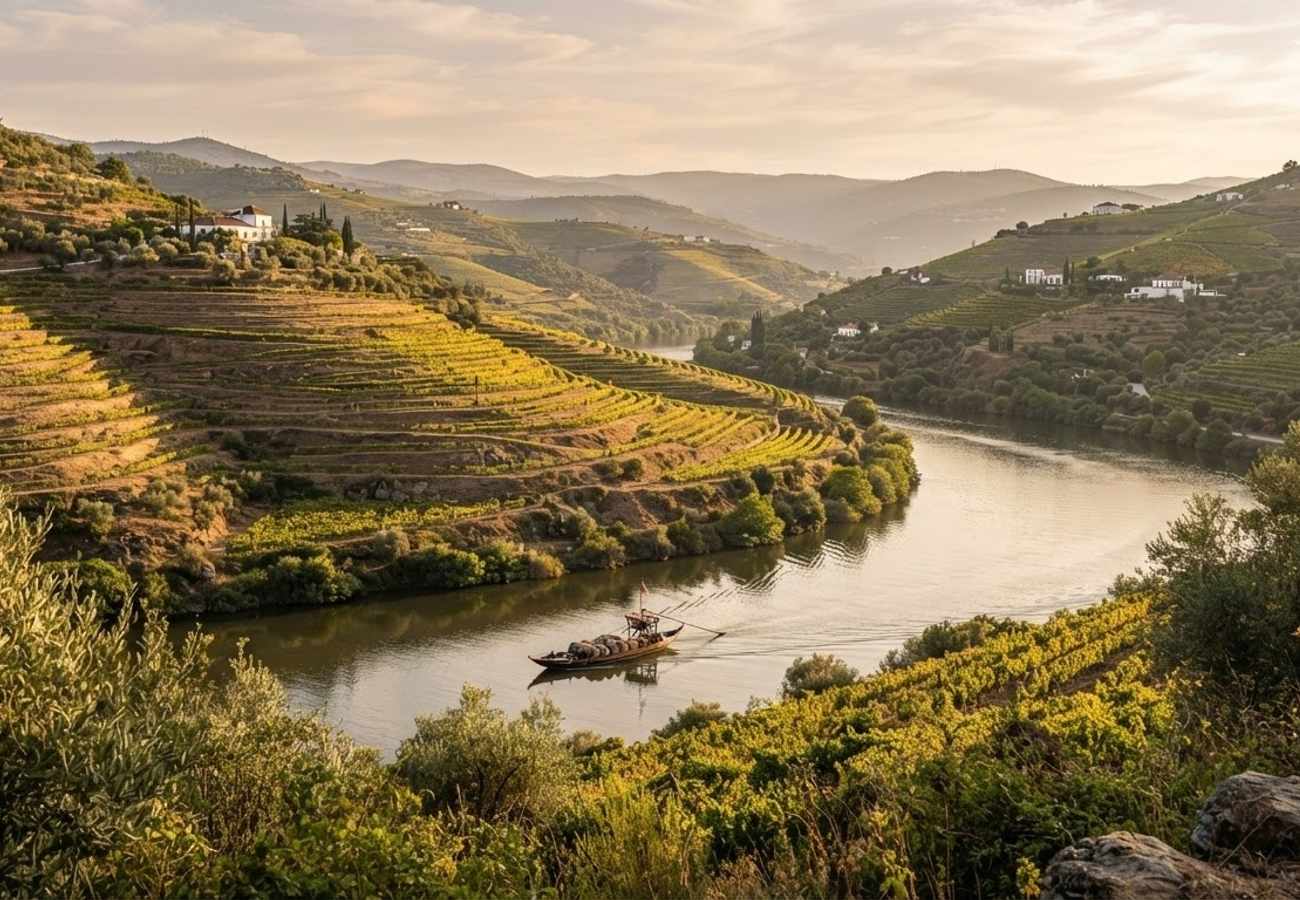
Propelled by an unprecedented 9.3% surge in American overnight stays while traditional southern hubs contracted, the Douro wine region has officially crowned US travelers as its leading foreign demographic in 2026. Driven by new direct transatlantic flights connecting New York and Philadelphia with Porto, affluent American voyagers are bypassing congested coastal hotspots in favor of terraced quintas, slow-river navigation, and artisanal culinary heritage.
Portugal's international visitor economy is undergoing a profound geographical reorganization. While Spanish visitors historically maintain their position as the largest collective foreign market across Porto and Northern Portugal as a whole, the UNESCO-inscribed Douro Demarcated Wine Region has charted a distinct course: travelers from the United States have overtaken all other international nationalities to claim the number one spot.
Official arrival statistics compiled by Portugal’s National Statistics Institute (INE) reveal a dramatic divergence between Northern Portugal and the nation's traditional southern magnets. In July 2026, mainland Portugal recorded a nationwide contraction of 19,300 American overnight stays compared to July 2025. Greater Lisbon experienced a 6% decline with 16,900 fewer US nights, while the beach resorts of the Algarve registered a 6.7% drop, shedding 6,300 American overnights.
Defying this southern contraction, Northern Portugal emerged as the sole mainland region to log positive US growth during July. The region welcomed 10,700 additional American overnight stays—a remarkable 9.3% year-on-year increase. This migration illustrates a fundamental shift in international traveler psychology: sophisticated voyagers are trading over-commercialized city breaks for cultural immersion, world-class viticulture, and unhurried regional exploration.
| Tourism & Macroeconomic Metric | Official 2026 Indicator | Comparative Performance Context |
|---|---|---|
| Leading Foreign Market in the Douro | United States (American travelers) | Surpassed all European markets; Spanish lead across broader north |
| Northern Portugal July US Growth | +10,700 overnight stays (+9.3% year-on-year) | Only mainland region in Portugal to register US growth in July 2026 |
| Greater Lisbon July US Contraction | -16,900 overnight stays (-6.0% year-on-year) | Reflects visitor dispersal away from high-density capital centers |
| Algarve July US Contraction | -6,300 overnight stays (-6.7% year-on-year) | Shifting demand away from mass coastal beach resorts |
| Nationwide July US Net Decline | -19,300 total overnight stays | Reallocation of American travelers toward northern cultural valleys |
| H1 2026 Nationwide US Revenue Growth | +8.1% year-on-year increase | American segment delivers outsized spending impact |
| H1 2026 US Bank Card Spending Surge | +13.4% transaction volume increase | High-yield purchasing power across hospitality and retail |
| H1 2026 US Overall Volume Metrics | +5.3% overnights, +3.3% guests, +5.7% arrivals | US visitors represent 12.2% of foreign guests and 11.8% of receipts |
| Aviation Catalysts: New Routes to Porto | Delta (daily JFK-OPO); American (PHL-OPO in 2027) | Complementing established TAP Air Portugal Newark and Boston flights |
The Geographic Shift: Northern Terroir Over Southern Sand
The Douro Valley's ascent reflects an intentional preference among American travelers for experiential, slow-travel journeys. Carved by the serpentine Douro River and sculpted by centuries of manual stone wall terracing, the valley represents the oldest demarcated wine region on Earth, formally established in 1756 by the Marquis of Pombal.
Rather than treating the region as a rushed day-trip from Porto, American travelers are booking extended stays at historic quintas (wine estates) throughout Peso da Régua, Pinhão, and the remote Douro Superior. Visitors are participating in hands-on harvest traditions, private river navigation aboard vintage mahogany boats (barcos rabelos), and structured tastings of aged Colheita and Vintage Ports.
Targeted promotional initiatives by the Regional Tourism Authority of Porto and Northern Portugal (TPNP) across primary US metropolitan areas have significantly accelerated this awareness. Showcasing northern Portugal's architectural heritage, national parks like Peneda-Gerês, and Michelin-starred gastronomy, the campaigns have positioned the Douro as Europe's premier autumn wine destination.
Direct Transatlantic Aviation Unlocks Northern Access
A decisive factor accelerating the Douro’s popularity is the expansion of nonstop transatlantic aviation into Francisco Sá Carneiro Airport (OPO) in Porto. Direct long-haul flights eliminate the friction of layovers at Lisbon or other European hubs, allowing American travelers to step off an overnight flight and arrive in the vineyards within two hours.
Crucial transatlantic corridors shaping this travel boom include:
- Delta Air Lines (New York JFK to Porto): Inaugurated on 21 May 2026, this daily seasonal service directly connects America’s largest commercial hub with Northern Portugal, providing premium cabin capacity that feeds high-end regional resorts.
- American Airlines (Philadelphia to Porto): Set to launch on 28 March 2027, this scheduled daily seasonal service will deploy the advanced, fuel-efficient Airbus A321XLR aircraft, linking American’s expansive mid-Atlantic hub directly with Porto.
- TAP Air Portugal Transatlantic Links: Portugal’s national flag carrier maintains high-frequency services connecting Porto with primary US gateways at Newark Liberty International Airport (EWR) and Boston Logan International Airport (BOS).
High-Yield Economic Impact of the American Traveler
While European short-haul visitors remain essential for seasonal volume, American travelers provide exceptional economic stability. Comprehensive data covering the first six months of 2026 illustrates the substantial financial footprint of the US market across Portugal.
During the first half of 2026, American overnight stays nationwide expanded by 5.3% year-on-year, accompanied by a 3.3% increase in guest volume and a 5.7% rise in air passenger arrivals. Crucially, tourism revenue generated by US travelers surged by 8.1%, while credit and debit card expenditures through US bank cards leapt by 13.4%.
Across the national economy, US visitors accounted for 12.2% of all foreign guests, 10% of international overnights, and 11.8% of total tourism receipts. Because American travelers in the Douro frequently patronize boutique luxury hotels, private guides, estate tastings, and independent regional restaurants, their capital flows directly to family-run agricultural enterprises, fostering regional economic resilience.
Cultural & Environmental Value: Preserving Terraced Heritage and Rural Vitality
For the discerning visitor, the real impact of the Douro's popularity is the direct preservation of a living cultural terrain. The Douro Valley's UNESCO World Heritage status is anchored in its monumental dry-stone terraces (socalcos and patamares), built entirely by hand into schist mountain slopes over generations.
Sustainable initiatives supported by conscious wine tourism include:
- Preserving Dry-Stone Viticultural Heritage: Revenue generated from high-value private wine tourism directly funds the painstaking maintenance of ancient dry-stone retaining walls, which prevent severe soil erosion during heavy winter rains and maintain vital microclimates for native grape varieties like Touriga Nacional, Touriga Franca, and Tinta Roriz.
- Biodiversity and Organic Farming Across Quintas: Historic estates are increasingly transitioning to organic and biodynamic viticulture, setting aside dedicated olive groves, cork oak woodlands, and Mediterranean scrub corridors that shelter native bird species, wild boars, and beneficial pollinators.
- Revitalizing Inland River Villages: Tourism spending is halting rural depopulation in remote river hamlets such as Pinhão, Provesende, and Castelo Melhor, funding traditional artisan bakeries, restored stone guesthouses, and community-led olive oil cooperatives.
Destination Specialist Insider Tips for Exploring the Douro Valley
Travelers planning an expedition to Northern Portugal and the Douro in 2026 can optimize their itinerary with these local recommendations:
- Optimal Seasonal Timing & The Harvest (Vindimas): The quintessential season to experience the Douro spans mid-September through late October during the grape harvest (vindimas). Slopes transform into vivid hues of amber, orange, and crimson, and many quintas invite guests to join traditional nighttime foot-treading of grapes in granite stone basins (lagares). Spring (April through June) is equally delightful, with mild temperatures between 20°C and 25°C, avoiding the intense dry heat of midsummer when valley temperatures routinely exceed 38°C.
- Ride the Historic Linha do Douro Rail Line: Skip highway driving and board the historic Linha do Douro railway departing from Porto's São Bento Station (famed for its 20,000 blue-and-white azulejo tiles). The scenic rail route hugs the riverbank between Régua, Pinhão, and Pocinho, providing water-level vistas of towering terraced vineyards that cannot be viewed from the road.
- Local Wine & Dining Protocols:
- Port Wine Tradition: When sharing a decanter of Vintage Port around a table, tradition dictates passing the bottle exclusively to your left until it returns to the host.
- Cellar Appointments: Unlike casual drop-in tasting rooms in other countries, historic Douro quintas require reservations at least one to two weeks in advance for tours, blending workshops, and estate luncheons.
- Modest Decorum: When visiting historic religious sites such as the Baroque Santuário de Nossa Senhora dos Remédios in Lamego, dress respectfully with covered shoulders and knees.
- Authentic Northern Gastronomy Beyond Porto:
- Posta Mirandesa: Feast on this signature northern specialty—a thick, tender cut of free-range Mirandesa beef grilled over oak coals, seasoned simply with coarse sea salt and virgin olive oil.
- Arroz de Pato à Antiga: Savor oven-baked duck rice slow-cooked in rich duck stock, layered with savory chouriço sausage slices, and finished under a broiler until golden and crispy.
- Serra da Estrela Cheese & Tawny Port: Conclude dinner with creamy raw sheep's milk cheese (Queijo Serra da Estrela), sliced open at the top and scooped onto crusty bread alongside a glass of 20-Year-Old Tawny Port.
- Under-the-Radar Escapes in the Upper Douro:
- Côa Valley Prehistoric Rock Art: Travel east into the Douro Superior to explore the UNESCO-recognized Côa Valley Archaeological Park. Book a nocturnal 4x4 guided safari to view thousands of open-air Paleolithic animal petroglyphs carved into vertical schist cliff faces over 20,000 years ago.
- Miradouro de São Leonardo da Galafura: Perched 640 meters above a dramatic horseshoe bend in the Douro River near Régua, this stunning panoramic viewpoint—immortalized by Portuguese writer Miguel Torga—offers unobstructed, breathtaking vistas across layered schist mountain ridges.
Tourism Outlook: Engineering a Premium Regional Future
The emergence of American travelers as the leading foreign market in the Douro signals a permanent evolution in Portugal’s travel identity. By establishing balanced year-round transatlantic connectivity and emphasizing premium, authentic cultural preservation, Northern Portugal is insulating itself from the volatility of mass budget tourism.
As new long-haul aircraft like the Airbus A321XLR enter service on routes from Philadelphia in 2027, the corridor between North America and Porto will deepen further. For travelers, the Douro stands as an extraordinary model of sustainable, high-yield tourism—where centuries-old agrarian craft, world-class hospitality, and protected river vistas converge in seamless harmony.
Frequently Asked Questions
Why are American travelers choosing the Douro over Lisbon and the Algarve?
American travelers are increasingly seeking authentic, less crowded cultural experiences, drawn by the Douro's world-famous wine culture, UNESCO-protected terraced vineyards, luxury quintas, and new direct flights to Porto.
How did Northern Portugal perform in July 2026 compared to Lisbon?
Northern Portugal was the only mainland region to see US growth in July 2026, adding 10,700 American overnight stays (+9.3%), while Greater Lisbon dropped by 16,900 nights (-6.0%) and the Algarve fell by 6,300 nights (-6.7%).
What direct transatlantic flights operate between the US and Porto?
Delta Air Lines operates a daily seasonal service from New York (JFK), TAP Air Portugal connects Newark and Boston, and American Airlines will launch daily seasonal flights from Philadelphia on 28 March 2027 using the Airbus A321XLR.
What is the grape harvest season in the Douro Valley?
The harvest season (vindimas) takes place from mid-September through late October, when terraced vineyards turn gold and red, and visitors can participate in traditional grape picking and foot-treading in granite stone tanks.
Through centuries of handcrafted terracing, the Douro Valley continues to pour one of the world's most authentic and enduring cultural journeys.
Related Travel Guides
Disclaimer
This article is for informational and educational purposes only. It does not constitute legal, financial, or professional advice. While we strive to provide accurate and up-to-date information, travel policies, regulations, and conditions change rapidly. Always verify information with official sources before making travel decisions. Nomad Lawyer makes no representations about the accuracy, reliability, completeness, or suitability of the information provided. Readers should consult qualified professionals for advice specific to their circumstances. The views expressed in this article are those of the author and do not necessarily reflect the views of Nomad Lawyer.
Raushan Kumar
Founder & Lead Developer
Full-stack developer with 11+ years of experience and a passionate traveller. Raushan built Nomad Lawyer from the ground up with a vision to create the best travel and law experience on the web.
Learn more about our team →