
Travel Safety Advisory 2026: US State Dept Issues Global Alert for Crowded Destinations
The US State Department issued a travel safety advisory in March 2026 urging American tourists to exercise heightened vigilance in crowded international destinations. Security concerns span multiple global regions and high-risk travel zones.

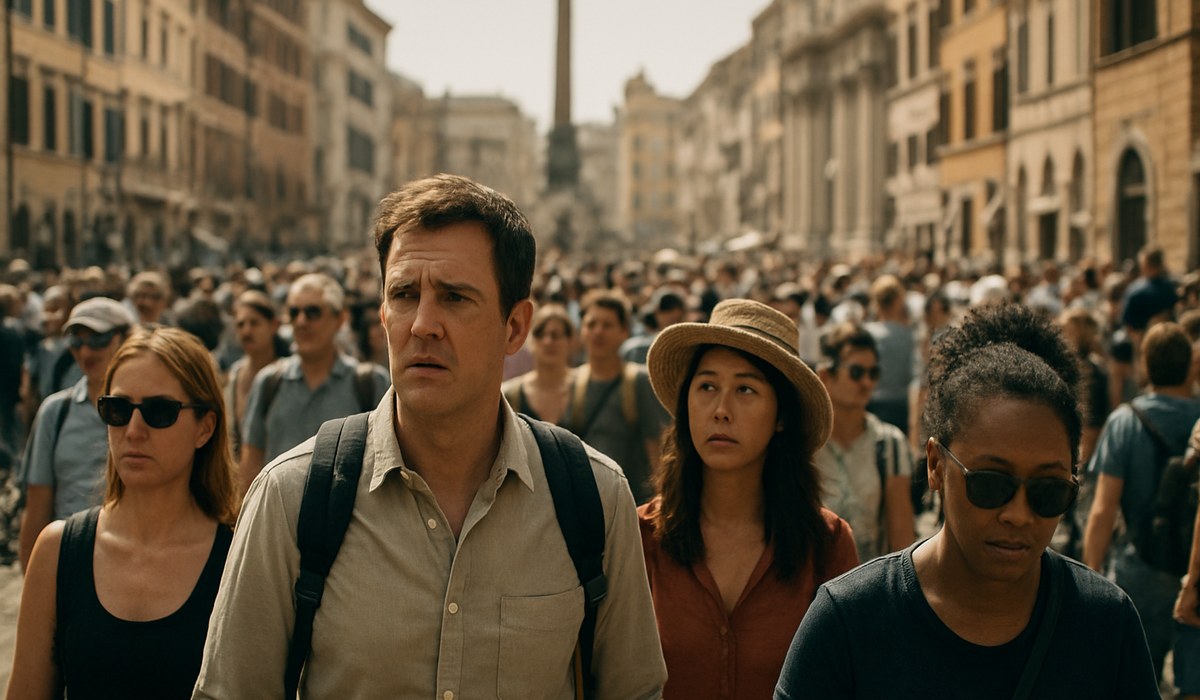
Image generated by AI
US State Department Issues Sweeping Travel Safety Advisory for Global Destinations
The US State Department released a comprehensive travel safety advisory on March 22, 2026, directing American travelers to heighten awareness while visiting crowded international destinations and high-risk zones worldwide. The alert emphasizes proactive security measures across multiple regions where tourists congregate in large numbers. The guidance urges visitors to remain vigilant during peak travel seasons and avoid predictable routines in unfamiliar environments. This travel safety advisory marks an intensified focus on protecting US citizens abroad as global tourism rebounds to pre-2020 levels.
The State Department's statement addresses concerns linked to evolving security threats in major metropolitan areas, airports, and popular tourist attractions. Travelers should review current travel advisories on the official State Department website before booking international trips. The advisory does not impose blanket travel bans but instead recommends condition-specific precautions tailored to individual destinations.
Major International Airports Implement Enhanced Screening Protocols
Frankfurt Airport (FRA), London Heathrow (LHR), and Paris Charles de Gaulle (CDG) have upgraded security screening procedures in response to the travel safety advisory issued by multiple governments. These European aviation hubs process over 150 million passengers annually and serve as primary transit points for transatlantic travelers.
Enhanced protocols include extended wait times at security checkpoints, expanded physical inspections, and increased deployment of security personnel. Passengers should arrive three to four hours before international departures instead of the standard two hours. Airlines operating at these facilities, including Lufthansa, British Airways, and Air France, have coordinated with airport authorities to streamline boarding procedures despite added screening measures.
The travel safety advisory has prompted airports to deploy advanced imaging technology and canine units at terminal entrances. Travelers heading to Europe should anticipate 45-minute delays at security in major hubs. Visit FlightAware to monitor real-time delays and gate changes during peak hours.
Airlines Adjust Staffing and Route Operations Amid Security Concerns
Major international carriers have restructured crew assignments and adjusted flight schedules to accommodate heightened security measures outlined in the travel safety advisory. United Airlines, American Airlines, and Delta Air Lines added security liaison officers on high-traffic international routes connecting the US to Europe, Asia, and the Middle East.
Airlines now brief passengers on personal safety protocols before departure. Flight attendants receive updated training on recognizing suspicious behavior and responding to onboard incidents. Some carriers introduced mobile apps enabling passengers to report security concerns directly to crew members in real-time.
Route optimization reduced frequencies on certain vulnerable corridors while increasing service on alternative pathways. The travel safety advisory prompted airlines to implement staggered boarding schedules and modified cabin procedures. For the latest airline policies, check IATA's travel guidance portal or contact your carrier directly.
Crowded Tourist Destinations Face Increased Security Investments
Popular destinations including Barcelona, Spain, Venice, Italy, Bangkok, Thailand, and Tokyo, Japan announced substantial security budget increases following the travel safety advisory. Cities managing over 10,000 daily tourists in central zones have deployed additional plainclothes security officers and surveillance infrastructure.
Local authorities in these crowded destinations coordinate with national tourism ministries to balance visitor safety with welcoming atmospheres. Barcelona's Las Ramblas district hired 150 additional security personnel. Venice restricted daily visitor caps to 5,000 tourists per day in historic piazza areas. Bangkok's Khao San Road and Patpong night markets installed 200 surveillance cameras targeting high-traffic zones.
The travel safety advisory motivated destination marketing organizations to publish city-specific safety guides for international visitors. These resources highlight safe neighborhoods, emergency contact numbers, and local law enforcement resources. Research your destination thoroughly before arrival—consult official tourism boards and recent traveler reviews.
Passenger Rights and Compensation Amid Flight Disruptions
When security procedures or travel safety advisories cause significant flight delays exceeding three hours, passenger compensation entitlements vary by jurisdiction. US Department of Transportation (DOT) regulations mandate compensation for domestic flights delayed over three hours due to airline operational issues, though security screening typically qualifies as extraordinary circumstances.
European Union Regulation (EC) 261/2004 mandates €250–€600 compensation for eligible passengers on flights delayed over three hours on EU carriers. These rules apply regardless of whether delays stem from security advisories or airline failures. Passengers should document delay times and request written delay statements from airlines for compensation claims.
For detailed information about passenger rights, consult the US DOT Aviation Consumer Protection Division website. Airlines must provide meal vouchers, hotel accommodations, and rebooking options for disrupted passengers. Keep receipts for all expenses and submit claims within two years of your affected flight.
| Jurisdiction | Compensation Amount | Minimum Delay | Applicable Carriers |
|---|---|---|---|
| United States (DOT) | Case-by-case basis | 3+ hours | US domestic carriers |
| European Union (EC 261/2004) | €250–€600 | 3+ hours | EU-based carriers |
| United Kingdom (ATOL protected) | £110–£520 | 3+ hours | UK carriers |
| Canada (Canadian Transportation Agency) | $400–$2,400 CAD | 3+ hours | Canadian carriers |
| Australia (ACCC guidelines) | A$200–A$1,400 | 3+ hours | Australian carriers |
| Japan (JATA standards) | ¥30,000–¥150,000 | 3+ hours | Japanese carriers |
What This Means for Travelers: Actionable Safety Steps
The travel safety advisory requires proactive planning to ensure smooth international trips. Follow these concrete precautions:
-
Register with the State Department using the Smart Traveler Enrollment Program (STEP) before departing. This service sends emergency alerts to registered US citizens and enables the embassy to assist you during crises.
-
Purchase comprehensive travel insurance covering medical emergencies, trip cancellations, and evacuation. Verify your policy covers security-related disruptions and delays.
-
Arrive earlier than usual at airports—plan for four-hour arrivals on international flights from major US hubs. Budget additional time for enhanced screening procedures.
-
Avoid peak tourist hours in crowded destinations. Visit major attractions during off-peak periods when feasible. Research safer neighborhoods and consult recent traveler forums.
-
Share your itinerary with trusted contacts in the US. Update them daily and establish check-in protocols. Use location-sharing apps with family members.
-
Keep copies of important documents in both physical and digital formats. Store passport scans separately from originals. Save contact information for your country's nearest embassy or consulate.
-
Monitor airline communications continuously. Enable flight status notifications and join airline loyalty programs for priority rebooking if disruptions occur.
Frequently Asked Questions About Global Travel Safety Advisories
What does a travel safety advisory actually mean for my upcoming international trip? A travel safety advisory indicates your government has identified specific security concerns in certain regions and recommends heightened caution. The 2026 US State Department advisory does not prohibit travel but recommends travelers exercise extra vigilance in crowded destinations and follow local authority guidance. Check destination-specific advisories on the State Department website—some countries may carry elevated threat levels requiring substantial precautions.
How long will the travel safety advisory remain in effect? The duration depends on threat assessments and diplomatic conditions. Most travel safety advisories remain active until underlying security concerns diminish or governments establish sufficient mitigation measures. The State Department reviews advisories monthly and updates them based on current intelligence. Subscribe to State Department alerts or check their website weekly for changes affecting your destination.
Which airports have the longest security delays due to the travel safety advisory? Frankfurt (FRA), London Heathrow (LHR), Paris Charles de Gaulle (CDG), and Dubai International (DXB) currently report the most significant delays, with average additional wait times of 45–90 minutes during peak hours. Asian hubs including Tokyo Narita (NRT) and Singapore Changi (SIN) maintain shorter delays but still recommend three-hour airport arrivals. Check FlightAware for current wait times at your specific airport.
Will airlines refund my ticket if I cancel due to the travel safety advisory? Most airlines classify travel safety advisories as extraordinary circumstances, meaning standard cancellation policies apply rather than automatic refunds. Purchased non-refundable tickets typically require paying change fees to modify travel dates. However, airlines often waive change fees during periods of elevated travel warnings. Contact your carrier directly to ask about courtesy rebooking options or fee waivers related to the current travel safety advisory.
Related Travel Guides
International airport security procedures explained Best travel insurance coverage for safety emergencies Safe neighborhoods guide for crowded European cities
Disclaimer
This article is for informational and educational purposes only. It does not constitute legal, financial, or professional advice. While we strive to provide accurate and up-to-date information, travel policies, regulations, and conditions change rapidly. Always verify information with official sources before making travel decisions. Nomad Lawyer makes no representations about the accuracy, reliability, completeness, or suitability of the information provided. Readers should consult qualified professionals for advice specific to their circumstances. The views expressed in this article are those of the author and do not necessarily reflect the views of Nomad Lawyer.
Raushan Kumar
Founder & Lead Developer
Full-stack developer with 11+ years of experience and a passionate traveller. Raushan built Nomad Lawyer from the ground up with a vision to create the best travel and law experience on the web.
Learn more about our team →