
US State Department Heightens Security Alerts for Peru, Ecuador, and Colombia Amid Organized Crime Surge
US authorities update travel advisories for Peru, Ecuador, and Colombia due to rising kidnapping and organized crime risks. See affected regions and safety leve

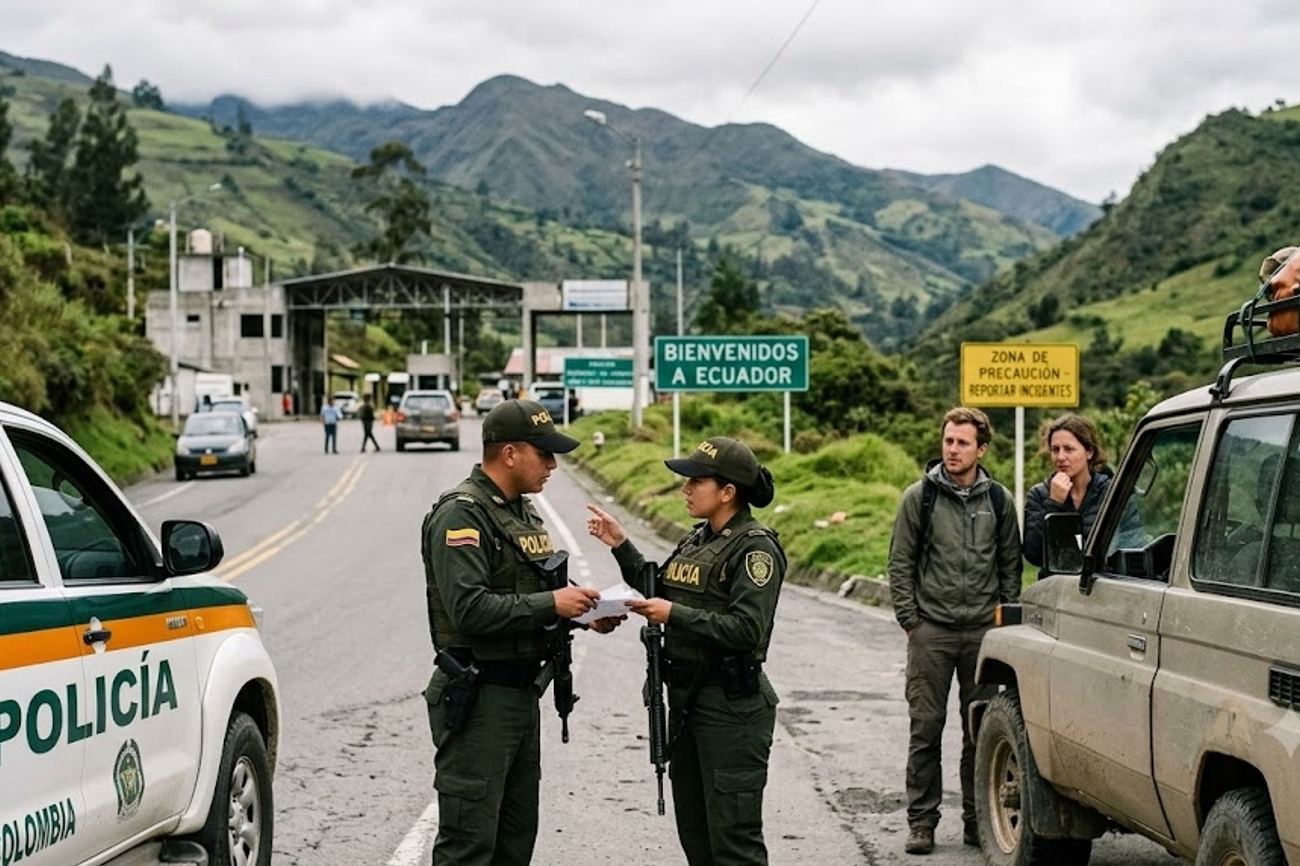
Image generated by AI
[WASHINGTON, September 10, 2026] — The United States government has issued updated travel security alerts for multiple South American nations, specifically targeting Peru, Ecuador, and Colombia, as regional security challenges intensify. These advisories are driven by a documented increase in kidnapping, organized criminal networks, and drug-related violence, prompting officials to warn citizens about the volatility of specific geographic sectors.
Despite the heightened alerts, the warnings do not constitute a blanket ban on tourism. Instead, they serve as a strategic guide to help international visitors differentiate between safe tourist corridors and dangerous zones. National governments in the affected regions are currently attempting to stabilize security environments to prevent a decline in foreign arrivals, which remain a primary economic driver for the continent.
Regional Security Volatility in Peru, Ecuador, and Colombia
The shift in security posture from US authorities stems from a complex interplay of internal conflict and the expansion of transnational criminal organizations. In Peru, the focus remains on remote territories where drug trafficking and insurgent activity create unstable conditions. Ecuador, once considered relatively stable, has seen a sharp rise in violent crime and organized gang activity, particularly in coastal provinces.
Colombia continues to grapple with the presence of armed dissident groups and criminal syndicates. While the urban centers and primary tourist hubs have seen significant investment in safety, the periphery and border regions remain high-risk. The US State Department's updates are designed to ensure that travelers do not mistake a country's general tourism appeal for universal safety across all its provinces.
Detailed Analysis of South American Travel Risk Levels
The current security landscape varies significantly by nation. While some countries are flagged for general caution, others are marked with severe warnings due to the inability of local governments to provide emergency support to foreign nationals.
| Country | Current US Advisory Level | Main Risks Highlighted | Tourism Areas Generally Affected |
|---|---|---|---|
| Peru | Level 2 – Exercise Increased Caution | Crime, kidnapping, terrorism, drug-related risks, unrest | Mainly remote regions, VRAEM, some border areas; major tourist routes remain open |
| Ecuador | Level 2 – Exercise Increased Caution | Violent crime, kidnapping, terrorism, organised crime | Some coastal provinces and crime-affected areas |
| Colombia | Higher caution in specific regions | Crime, terrorism, kidnapping, armed groups | Border regions and some departments |
| Venezuela | Level 3 – Reconsider Travel | Crime, kidnapping, terrorism, poor infrastructure, limited healthcare | Multiple regions, especially border and rural areas |
| Brazil | Level 2 – Exercise Increased Caution | Crime, robbery, some regional risks | Certain urban and border areas |
The Impact of Kidnapping and Organized Crime on Tourism
The prevalence of "express kidnapping"—where victims are abducted for short periods to withdraw funds from ATMs—has become a primary concern for security analysts. This specific type of crime, along with opportunistic robberies and assaults, has a direct impact on the confidence of high-spend international travelers.
Industry data suggests that while these risks are concentrated in specific urban pockets or rural frontiers, the perception of danger can spread. To combat this, local tourism boards are pivoting toward "responsible travel planning," emphasizing the use of licensed transportation and vetted guides. The goal is to isolate the perceived risk to the dangerous zones, ensuring that the economic engines of the hotel and restaurant sectors in safe zones continue to function.
National Strategies for Tourism Preservation
Governments in Lima, Quito, and Bogotá are implementing targeted measures to decouple their national image from the violence occurring in remote areas. Peru continues to aggressively market its cultural heritage sites, focusing on the stability of the Cusco region and the Machu Picchu sanctuary.
Ecuador is doubling down on the exclusivity and security of the Galápagos Islands, which remain largely insulated from the mainland's organized crime surges. Similarly, Colombia is promoting its coastal cities like Cartagena and its burgeoning adventure tourism sectors as safe alternatives to the volatile border departments.
To restore and maintain visitor confidence, these nations are focusing on:
- Enhanced coordination between military and tourist police.
- The implementation of digitized tourist information systems.
- Stricter licensing requirements for tour operators.
- Improved destination management in high-traffic zones.
Essential Safety Protocols for South American Visitors
For those planning travel to the region, the current environment demands a shift from passive sightseeing to active risk management. Security experts recommend that travelers move beyond general country guides and instead research the specific security status of the province or department they intend to visit.
Key safety recommendations include:
- Verification of Advisories: Checking the latest State Department updates immediately before departure.
- Vetted Logistics: Utilizing only registered, government-approved tour operators and transportation services.
- Zonal Awareness: Avoiding isolated rural roads and border crossings without official escort or verified safety data.
- Insurance Coverage: Ensuring travel insurance explicitly covers emergency medical evacuation and security-related crises.
- Local Intelligence: Following real-time safety advice provided by embassy staff and local authorities.
Why This Matters: The Traveler's Perspective
From a logistical standpoint, these updated advisories mean that "winging it" is no longer a viable strategy for South American travel. For the modern traveler, this creates a necessary layer of bureaucracy in trip planning; you can no longer assume that a safe capital city implies a safe countryside.
The real-world impact is a shift toward "curated travel." Visitors are increasingly relying on closed-loop itineraries—where transport and lodging are pre-arranged by a single entity—to minimize exposure to the "express kidnapping" risks mentioned in government reports. While the beauty and culture of the Andes and the Amazon remain unchanged, the method of accessing them has become more clinical and security-focused.
Related Travel Guides
Disclaimer
This article is for informational and educational purposes only. It does not constitute legal, financial, or professional advice. While we strive to provide accurate and up-to-date information, travel policies, regulations, and conditions change rapidly. Always verify information with official sources before making travel decisions. Nomad Lawyer makes no representations about the accuracy, reliability, completeness, or suitability of the information provided. Readers should consult qualified professionals for advice specific to their circumstances. The views expressed in this article are those of the author and do not necessarily reflect the views of Nomad Lawyer.
Kunal K Choudhary
Co-Founder & Contributor
A passionate traveller and tech enthusiast. Kunal contributes to the vision and growth of Nomad Lawyer, bringing fresh perspectives and driving the community forward.
Learn more about our team →