
Destination Campaigns: US States Expand Hands-On Travel Experiences
US states expand experiential tourism, with Tennessee, Utah, Hawai'i, and North Carolina leading the shift toward hands-on culture and heritage.

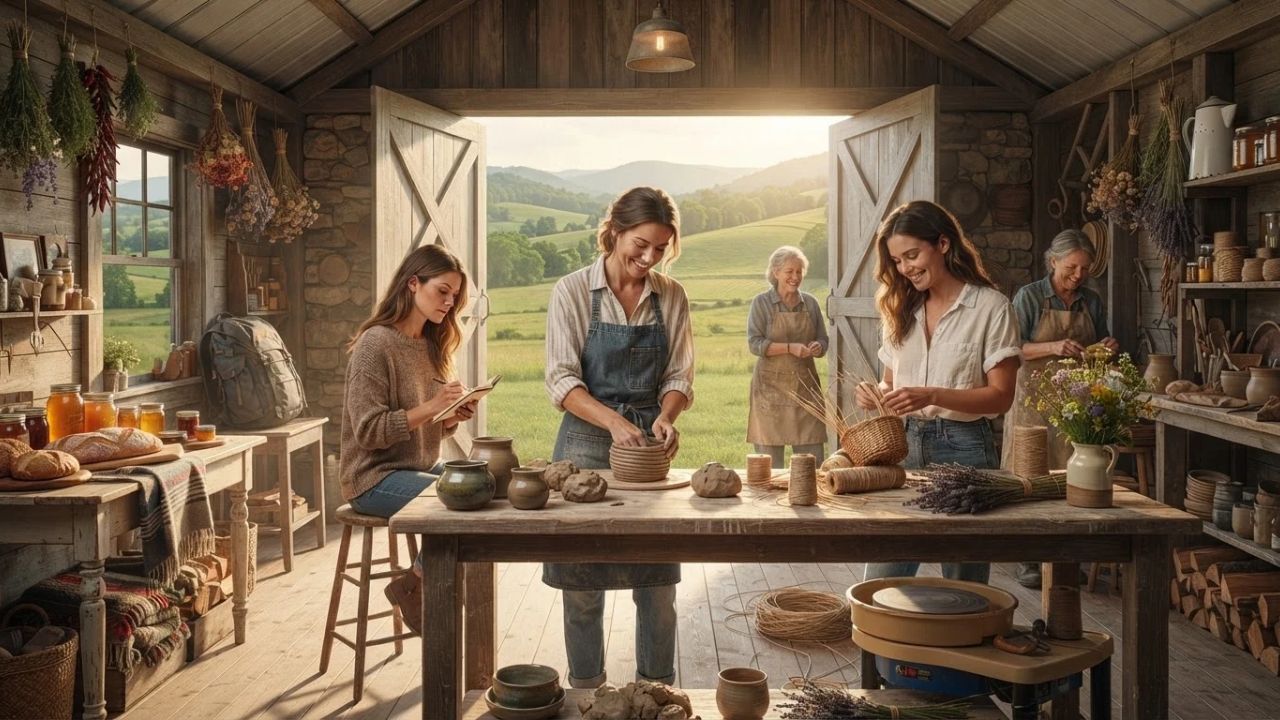
Image generated by AI
US states expand experiential tourism, with Tennessee, Utah, Hawai'i, and North Carolina leading the shift toward hands-on culture and heritage. The Tennessee Department of Tourist Development indicates that promoting craft-based activities coordinates visitor arrivals, supporting rural hospitality businesses outside metropolitan gateways.
The Transition of Sightseeing Travel to Participatory Experiences
A significant trend in modern tourism is the transition of sightseeing travel into participatory experiences. Historically, state tourism offices built campaigns around static monuments, scenic viewpoints, and amusement parks, measuring destination success solely by passenger counts and hotel occupancy rates. In 2026, progressive departments redesign their strategies, allocating funding to local artisan workshops, agricultural farms, and Indigenous heritage programs that allow travelers to learn practical skills during their holidays.
By converting regional traditions into marketable visitor experiences, states distribute travel spending into rural communities. This community-led model benefits independent guides, craftspeople, small-scale farmers, and local bed-and-breakfast operators.
Experiential Tourism Strategies Across Key US States
Different states are implementing specialized programs to develop their experience economies:
- Tennessee Craft-Cations: The state tourism department actively promotes hands-on craft workshops including pottery, basket-making, printmaking, glassblowing, and beekeeping, alongside fly-fishing and wilderness survival skills.
- Utah Experience Economy: Organized through the Utah Office of Tourism and Film, the 2026 Tourism Business Development Workshop helps operators monetize specialized interests such as agritourism, astrotourism, and film tourism.
- Hawai'i Community Funding: The Hawai'i Tourism Authority (HTA) allocated $1.5 million in 2026 funding to 49 organisations to support 60 community programmes focusing on culture, agriculture, wellness, and voluntourism.
- North Carolina Immersive Travel: The Visit NC program promotes farm stays, field-to-fork culinary events, animal husbandry workshops, and living-history demonstrations.
- Virginia Planning Timeline: The 2026–2029 Statewide Strategic Tourism Plan prioritizes regional experiences, outdoor recreation, and family activities.
- Oregon Indigenous Heritage: Travel Oregon published the updated Experience Indigenous Oregon guide, developed in partnership with the state's nine federally recognised Tribes to promote respectful engagement with tribal museums and events.
These state-level programs help tourism operators build distinctive visitor products linked to local heritage.
US Experiential Tourism and State Planning Coordinates
The table below breaks down the travel sectors, funding levels, program frameworks, signature offerings, regional partners, and coordinating authorities recorded on August 23, 2026:
| Core Travel Sector | State Funding Level | Planning Framework | Signature Offering | Regional Partner | Coordinating Authority |
|---|---|---|---|---|---|
| Cultural heritage | $1.5M HTA grant pool | 2026–2029 Virginia Plan | Craft-cation workshops | 49 local organizations | Tennessee Tourist Development |
| Indigenous tourism | $1.5 million total | 2026 Utah Workshop | Experience Indigenous Oregon | Nine recognized Tribes | Travel Oregon Board |
| Agritourism | Local program budgets | Experience Economy model | Farm stays & culinary trails | North Carolina farms | Utah Office of Tourism |
These coordinates outline the sectors, funding levels, frameworks, offerings, partners, and authorities established for the experiential programs.
Resource Stewardship and Eco-Aware Experiential Travel
For the traveler, the benefit of participating in voluntourism projects (such as trail restoration or beach cleanups) is the direct contribution to preserving regional natural resources. Selecting accommodations that partner with local farms reduces the carbon footprint associated with long-distance food transportation.
Additionally, purchasing handmade souvenirs directly from local artisans ensures tourism dollars remain within the community economy. Respecting local guidelines when visiting tribal lands or historical heritage spaces helps preserve these fragile cultural sites.
For comparison, you can explore the changing dynamics of Stimulus Launch: Taiwan Unveils Billion-Dollar Repeat Visitor Rewards to see how destinations promote visitor spend. For transit updates, comparing travel scheduling matches other networks, such as Destination Campaigns: US Cities Record Drop in Canadian Visitors updates. This trend is similar to the tourism growth seen in other destinations, as detailed in our guide on the Hacienda Heights Bus Fire Transport Safety regulations.
Traveler Insider Tips: Finding Hands-On Experiences
If you are planning an experiential trip in the US, keep these practical tips in mind:
- Book Craft Workshops in Advance: Reserve your slot for glassblowing or pottery classes in Tennessee weeks before arrival, as class sizes are kept small to ensure quality instruction.
- Utilize the Indigenous Oregon Guide: Download the digital guide from Travel Oregon to confirm opening hours and visitor rules for tribal museums.
- Coordinate Farm Stays in North Carolina: Check with host farms regarding seasonal activities (like harvesting or shearing) to align your stay with hands-on work.
- Review Hawai'i Voluntourism Options: Check the HTA community Enrichment recipient list to identify local conservation programs that accept visitor volunteers.
- Pack Appropriate Outdoor Gear: Bring sturdy work boots and gloves if participating in agritourism or volunteer conservation projects.
Long-Term Outlook for US Experiential Travel
The long-term outlook for experiential transit is focused on building sustainable access roads to rural farms, installing electric vehicle chargers at state park trailheads, and developing mobile booking platforms for community workshops. As traveler demand continues to shift from sightseeing to participation, state transport boards and cultural ministries will cooperate to maintain passenger standards.
By developing sustainable transit options and protecting cultural heritage, the tourism sector aims to build a sustainable transport network.
FAQ
What is experiential travel?
Experiential travel is a form of tourism where visitors actively participate in a destination's culture, food, crafts, heritage, or outdoor conservation efforts, rather than simply sightseeing.
How much funding does Hawai'i allocate to community tourism?
The Hawai'i Tourism Authority announced $1.5 million in 2026 funding to support 60 community enrichment programs operated by 49 local organizations.
What is included in Tennessee's craft-cation program?
The program features hands-on classes in traditional skills including pottery, basket-making, printmaking, glassblowing, beekeeping, fly-fishing, and wilderness survival.
How was Oregon's Indigenous tourism guide developed?
Travel Oregon updated the Experience Indigenous Oregon guide in close partnership with representatives from the state's nine federally recognized Tribes.
Stay updated on regional travel regulations and cultural campaigns shaping American transit.
Related Travel Guides
Disclaimer
This article is for informational and educational purposes only. It does not constitute legal, financial, or professional advice. While we strive to provide accurate and up-to-date information, travel policies, regulations, and conditions change rapidly. Always verify information with official sources before making travel decisions. Nomad Lawyer makes no representations about the accuracy, reliability, completeness, or suitability of the information provided. Readers should consult qualified professionals for advice specific to their circumstances. The views expressed in this article are those of the author and do not necessarily reflect the views of Nomad Lawyer.
Raushan Kumar
Founder & Lead Developer
Full-stack developer with 11+ years of experience and a passionate traveller. Raushan built Nomad Lawyer from the ground up with a vision to create the best travel and law experience on the web.
Learn more about our team →