
US State Department Issues Urgent West Asia Travel Warnings Amid 2026 Military Escalation
The US Department of State has issued urgent travel notices for West Asia as military escalations threaten widespread flight cancellations and airspace shutdowns in 2026.

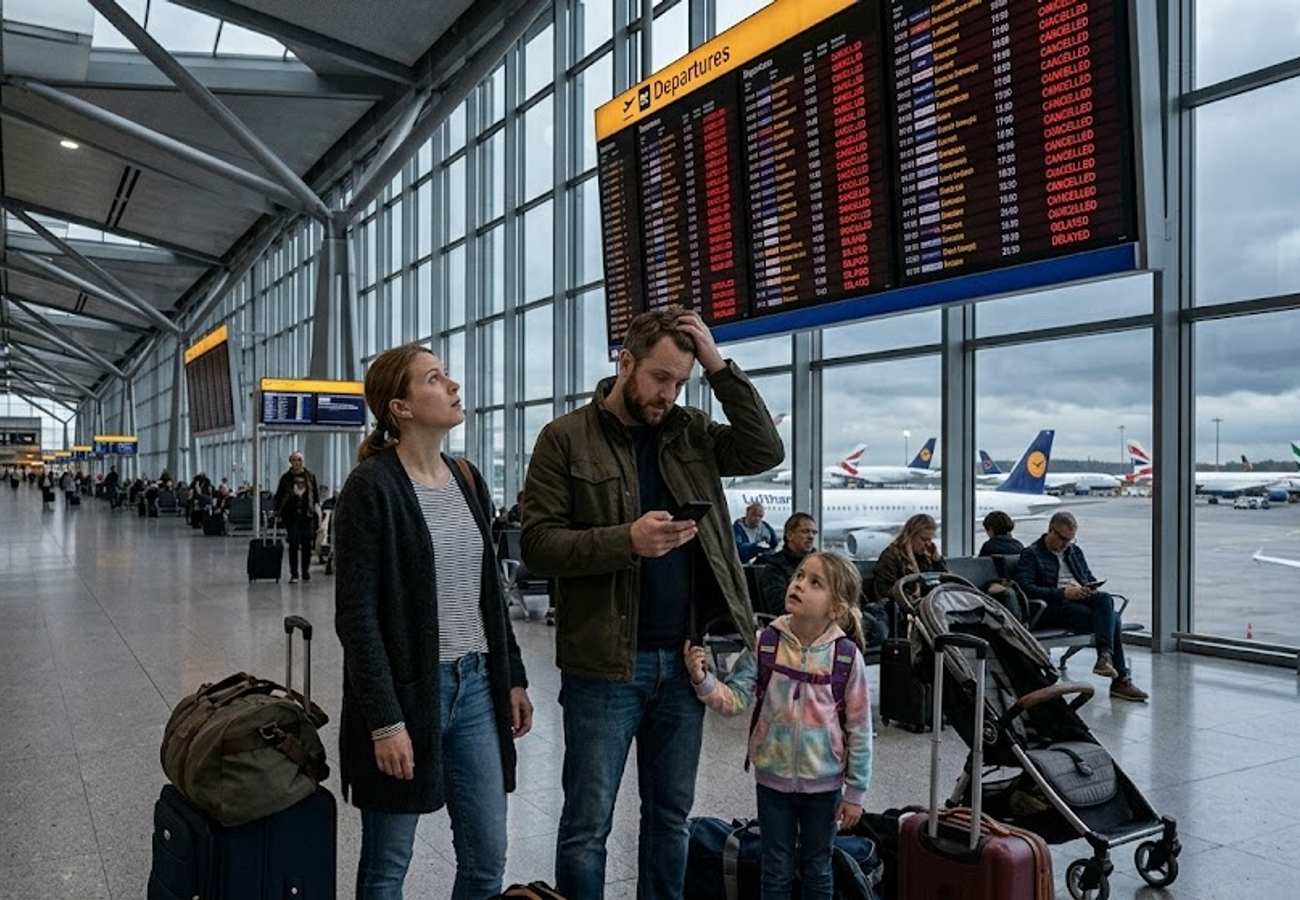
Image generated by AI
US citizens in West Asia face immediate risks as diplomatic alerts warn of rapid military escalation and systemic aviation failures.
The United States Department of State has broadcast an urgent travel notice for all American citizens throughout West Asia. The warning cites unpredictable security threats and rapid military movements that could trigger widespread flight cancellations and the sudden closure of critical airspace.
This escalation follows public statements from US President Donald Trump, who indicated that preparations are underway for the most severe attack on Iran to date. President Trump noted he is close to a final decision, asserting that Iran has not yet suffered sufficient pain and suggesting that regional allies may participate in coordinated operations, though the US maintains the capability for unilateral action.
In response to these threats and recent missile exchanges, US diplomatic channels have warned that regular travel itineraries are now highly volatile. Security officials have specifically highlighted that Iran-aligned groups may target American citizens and interests, with potential threat elevations extending to US diplomatic installations outside of West Asia.
Operational Impact on Global Aviation
The current security climate is creating a domino effect across commercial transportation corridors, affecting millions of passengers. Our analysis of the current situation indicates four primary disruption vectors:
- Immediate Airspace Closures: Military activity is forcing aviation authorities to shut down flight corridors without notice, leading to mid-flight diversions.
- Systemic Flight Disruptions: Major international carriers are altering schedules, resulting in missed connections and last-minute cancellations.
- Transit Bottlenecks: Rerouted flight paths are increasing fuel consumption and transit times, placing unsustainable operational stress on neutral neighboring airports.
- Tightened Security Protocols: Travelers should expect intensified baggage screenings and significant delays at land borders and international terminals.
Aviation Security and Market Logistics
Commercial carriers operate under non-negotiable safety mandates. The Federal Aviation Administration (FAA) and the European Union Aviation Safety Agency (EASA) are currently issuing frequent Notices to Airmen (NOTAMs) and conflict zone bulletins to keep civilian aircraft clear of combat zones.
From a logistical perspective, these airspace restrictions create massive hurdles for airlines, specifically regarding crew repositioning and aircraft rerouting. Furthermore, market trends suggest that crude oil benchmarks are climbing past elevated thresholds due to the unrest, which will likely drive up global airfares.
Travel insurance holders should be aware that standard policies often exclude "acts of war" or government-issued travel bans. Specialized insurance endorsements are required for coverage in these specific scenarios.
Critical Safety Protocols for Travelers
For those currently in West Asia or with confirmed bookings, the following steps are mandatory for risk mitigation:
- Direct Verification: Re-confirm flight status via official airline mobile apps or customer service counters; do not rely solely on third-party aggregators.
- Document Readiness: Keep passports, emergency contacts, and physical travel documents in a primary carry-on bag.
- Liquidity Management: Carry a mix of local and international currency to cover emergency lodging or sudden rebooking fees.
- Government Registration: American travelers must register with the Smart Traveler Enrollment Program (STEP) at step.state.gov to receive real-time security broadcasts.
Official Resource Directory
| Resource | Purpose | Access Portal |
|---|---|---|
| US Department of State | Travel Advisories & Restrictions | travel.state.gov |
| STEP Program | Real-time Security Alerts | step.state.gov |
| FAA | Aviation Prohibitions & Advisories | faa.gov |
Why This Matters: Industry Analysis
For the global aviation industry, this is not merely a regional disruption but a systemic risk to the "hub-and-spoke" model. West Asia serves as a primary bridge between Europe, Asia, and Africa. When this corridor shrinks, the resulting "detour effect" increases fuel burn and flight times globally, leading to a ripple effect of delays in airports as far away as New York or London.
For the traveler, the real impact is the erosion of the "guaranteed" itinerary. In 2026, geopolitical volatility is now a primary variable in travel planning. The shift toward specialized war-risk insurance indicates that the industry is preparing for a prolonged period of instability rather than a brief diplomatic flicker.
Forward Outlook
Expect continued volatility in flight pricing and routing. As military postures shift, we anticipate a surge in "shadow routing," where airlines avoid traditional corridors entirely to bypass potential conflict zones. Travelers should anticipate longer flight durations and a higher frequency of "force majeure" cancellations.
Stay agile, prioritize diplomatic guidance, and maintain flexible bookings to mitigate the risks of this escalation.
Related Travel Guides
Disclaimer
This article is for informational and educational purposes only. It does not constitute legal, financial, or professional advice. While we strive to provide accurate and up-to-date information, travel policies, regulations, and conditions change rapidly. Always verify information with official sources before making travel decisions. Nomad Lawyer makes no representations about the accuracy, reliability, completeness, or suitability of the information provided. Readers should consult qualified professionals for advice specific to their circumstances. The views expressed in this article are those of the author and do not necessarily reflect the views of Nomad Lawyer.
Preeti Gunjan
Contributor & Community Manager
A passionate traveller and community builder. Preeti helps grow the Nomad Lawyer community, fostering engagement and bringing the reader experience to life.
Learn more about our team →