
US Treasury Targets 27 Iranian Airlines in Massive Aviation Sector Crackdown
The US Treasury has sanctioned 27 Iranian airlines and exposed a complex network involving UAE and Türkiye intermediaries used to deliver Boeing 777s to Mahan A

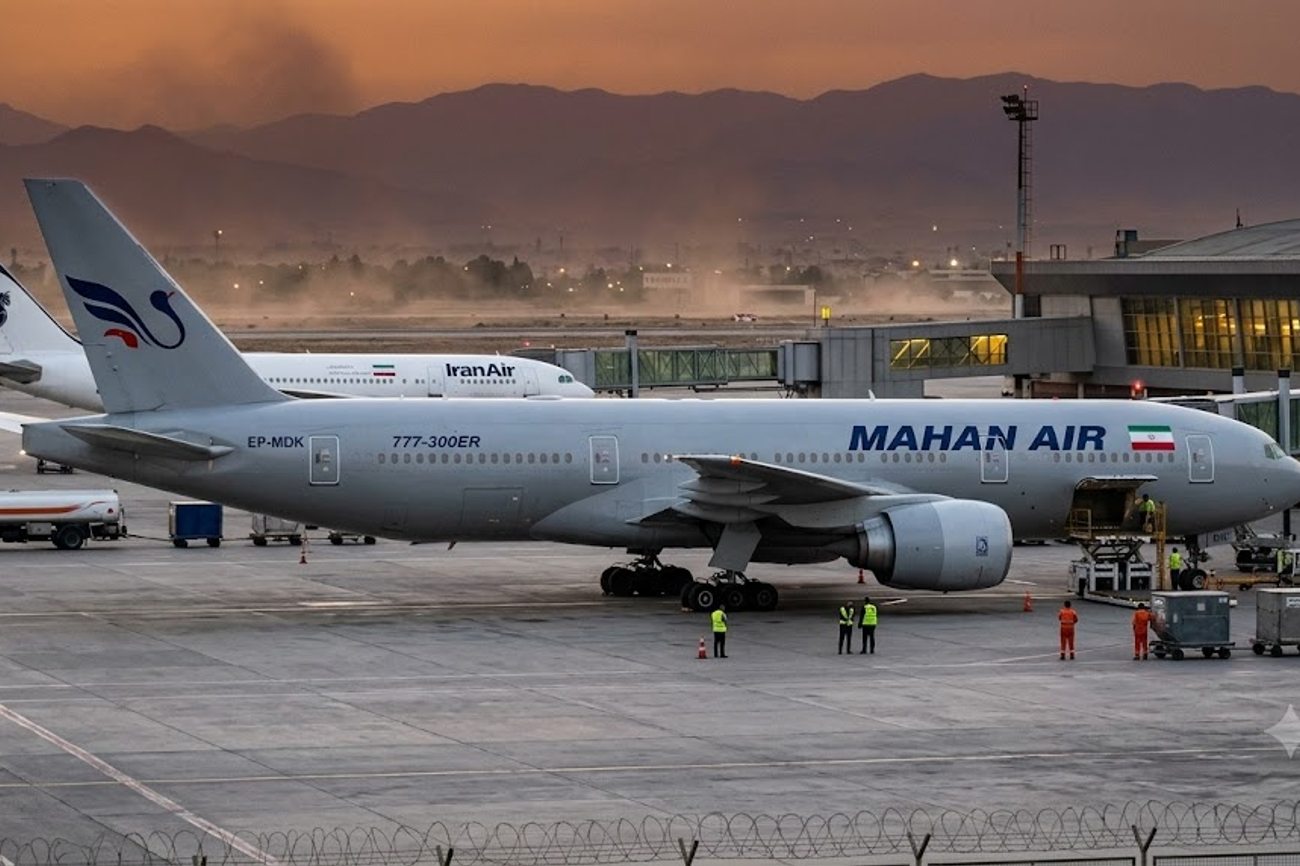
Image generated by AI
US Treasury Dismantles Iranian Aviation Support Networks
The US Department of the Treasury has launched an expansive offensive against Iran’s commercial aviation sector, designating 27 Iranian airlines and several international intermediaries. Announced on September 8, 2026, the action marks a strategic shift from targeting individual carriers to dismantling the entire operational infrastructure of Iran's remaining active aviation network.
This move follows a new aviation-sector determination established by Washington on August 24, 2026. The September 8 designations represent the first wave of sanctions under this updated framework, signaling a more aggressive approach toward procurement and support networks.
Among the 27 designated carriers are:
- Iran Aseman Airlines
- Qeshm Air
- Zagros Airlines
- Kish Airlines
- Saha Airlines
- Taban Airlines
- Ata Airlines
- Iran Air Tour
Saha Airlines is of particular note, having previously faced European Union sanctions in October 2024 due to alleged involvement in transferring weapons to Russia.
The Boeing 777 Pipeline: How Mahan Air Bypassed Restrictions
A central component of the Treasury's announcement is the exposure of a complex logistics chain used to deliver three Boeing 777 aircraft to Mahan Air during the summer of 2026. Despite long-standing bans on Western-built aircraft entering Iran, Mahan Air successfully expanded its long-haul fleet through a series of third-party intermediaries.
According to Treasury data, the aircraft were sourced from a retired fleet and routed through the United Arab Emirates and Oman. The aircraft were temporarily held and registered via Sharjah-based ECT Aviation Support.
The transaction further involved a Türkiye-based entity, Sky Phoenix Hava Yollari Tasimaciligi Ticaret Limited Sirketi. This multi-jurisdictional structure was designed to obscure the ultimate destination and ownership of the aircraft, making it difficult for regulators to track the assets in real-time.
Global Intermediaries and Management Firms Targeted
To close the loopholes used by Mahan Air, the Office of Foreign Assets Control (OFAC) has expanded its sanctions to include the facilitators of these transfers. The US is now targeting the commercial chain rather than just the end-user.
The following entities and individuals have been designated:
- ECT Aviation Support and its UK subsidiary, ECT Aviation Support LTD.
- Ibrahim Ali Mohamed Mohamed Mahran, the Egyptian owner and CEO of ECT.
- Sky Phoenix (Türkiye).
- Aerobravo Airplane Management and Operation LLC (UAE), which allegedly operated aircraft owned by the Sharjah-based ECT.
This strategy places aircraft brokers, lessors, and management companies under intense scrutiny, as the US demonstrates its ability to trace aircraft movements across international borders.
Comparative Analysis of Sanctioned Aviation Entities
The following table outlines how the current crackdown on Iranian carriers compares to other globally sanctioned aviation entities.
| Airline | Country | Primary Pressure | Comparison to Mahan Air |
|---|---|---|---|
| Iran Air | Iran | US Sanctions | Directly limited by aircraft procurement bans |
| Iran Aseman Airlines | Iran | US Sanctions (Sept 2026) | Targeted in the latest broad aviation crackdown |
| Saha Airlines | Iran | US/EU Sanctions | Linked to Russian weapons transfers |
| Qeshm Air | Iran | US Sanctions (Sept 2026) | Part of the new 27-airline designation |
| Zagros Airlines | Iran | US Sanctions (Sept 2026) | Newly caught in wide-sector action |
| SyrianAir | Syria | US Sanctions | Long-term restrictions on international access |
| Cham Wings Airlines | Syria | US/EU Sanctions | Linked to the Syrian regime |
| Belavia | Belarus | EU/US Sanctions | Disrupted leasing and international operations |
| Aeroflot | Russia | Western Sanctions | Severe fleet, finance, and route restrictions |
| Rossiya Airlines | Russia | Western Sanctions | Restricted aircraft and financing |
| UTair | Russia | Western Sanctions | Restricted international commercial ties |
| S7 Airlines | Russia | Western Sanctions | Constrained leasing and operating environment |
Key Takeaways
- Broad Scope: The US has moved from targeting specific airlines to designating nearly all of Iran's remaining active commercial carriers (27 in total).
- Supply Chain Exposure: The delivery of three Boeing 777s to Mahan Air reveals a pipeline involving the UAE, Oman, and Türkiye.
- Intermediary Risk: Sanctions now extend to aircraft management firms and individual CEOs (e.g., ECT Aviation Support), increasing compliance risks for global brokers.
- Strategic Shift: The action is the first wave of a new regulatory framework established in late August 2026.
FAQ
Which Iranian airlines were sanctioned in September 2026? The US Treasury designated 27 airlines, including Iran Aseman Airlines, Qeshm Air, Zagros Airlines, Kish Airlines, Saha Airlines, Taban Airlines, Ata Airlines, and Iran Air Tour.
How did Mahan Air acquire Boeing 777s despite sanctions? The aircraft were routed through the UAE and Oman using intermediaries such as ECT Aviation Support and Sky Phoenix (Türkiye) to hide the final destination.
Who are the primary intermediaries targeted by OFAC? Key targets include ECT Aviation Support (UAE/UK), its CEO Ibrahim Ali Mohamed Mohamed Mahran, Sky Phoenix (Türkiye), and Aerobravo Airplane Management and Operation LLC (UAE).
Related Travel Guides
Disclaimer
This article is for informational and educational purposes only. It does not constitute legal, financial, or professional advice. While we strive to provide accurate and up-to-date information, travel policies, regulations, and conditions change rapidly. Always verify information with official sources before making travel decisions. Nomad Lawyer makes no representations about the accuracy, reliability, completeness, or suitability of the information provided. Readers should consult qualified professionals for advice specific to their circumstances. The views expressed in this article are those of the author and do not necessarily reflect the views of Nomad Lawyer.
Kunal K Choudhary
Co-Founder & Contributor
A passionate traveller and tech enthusiast. Kunal contributes to the vision and growth of Nomad Lawyer, bringing fresh perspectives and driving the community forward.
Learn more about our team →