
NHTSA Opens Safety Audit Query into Tesla Cybercab in Austin

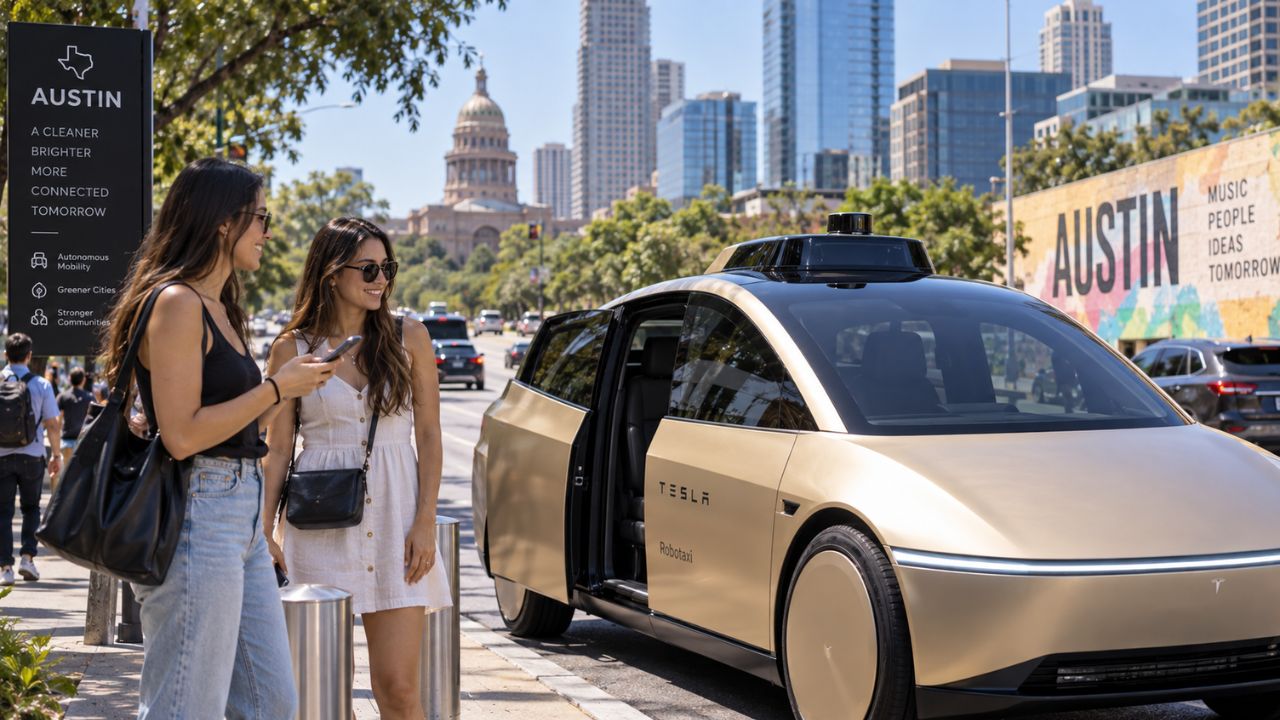
Following the commercial rollout of Tesla’s driverless Cybercab fleet across the streets of Austin, Texas, the National Highway Traffic Safety Administration (NHTSA) has officially opened an Audit Query to evaluate the vehicle manufacturer’s self-certification under Federal Motor Vehicle Safety Standards (FMVSS). The federal inquiry focuses on whether the purpose-built autonomous vehicle—designed entirely without conventional manual controls like steering wheels, brake pedals, or side mirrors—lawfully satisfies existing federal road safety requirements.
The regulatory probe represents a pivotal checkpoint in the commercialization of autonomous travel across the United States. While automotive manufacturers in the American market are legally authorized to self-certify that their models meet federal benchmarks, the US Department of Transportation maintains statutory oversight to audit the underlying engineering data, testing protocols, and compliance logic. As cities like Austin transform into real-world proving grounds for next-generation robotic transport, the federal review will determine how regulatory bodies govern cab-hailing technologies operating without a human safety driver behind the wheel.
The Local Trend Revealed: Scrutinizing Driverless Certification in Texas
The launch of the Tesla Cybercab in Austin has sharpened federal scrutiny over the boundary between cutting-edge automotive software and longstanding safety mandates:
- Scope of the NHTSA Audit Query: The federal safety agency initiated its formal evaluation to examine the technical records, computer simulations, and physical validation data supporting Tesla’s claim that the Cybercab adheres to all mandatory FMVSS provisions.
- The Elimination of Manual Controls: A primary focus of the NHTSA inquiry centers on the vehicle's architectural departure from traditional automobiles. Because the Cybercab lacks mechanical steering wheels, physical brake pedals, manual gear selectors, and standard rear-view mirrors, investigators are analyzing whether Tesla's compliance model improperly assumed that certain traditional safety rules do not apply to automated mobility platforms.
- Active Federal Standards Remain Enforceable: NHTSA clarified that existing vehicle safety rules remain fully active and binding. Although federal regulators are advancing multiple modernization rulemakings—updating historical mandates for windscreens, wipers, braking systems, and exterior lighting to account for autonomous sensors—unmodified FMVSS requirements apply until formal administrative amendments are signed into law.
- The Austin Urban Testbed: Austin continues to serve as an epicenter for emerging autonomous transit, with city streets hosting extensive commercial operations alongside technology corporate headquarters. The city's open regulatory environment makes it a front-line testing ground for urban mobility integration.
| Regulatory Parameter | NHTSA Cybercab Audit Profile |
|---|---|
| Federal Oversight Body | National Highway Traffic Safety Administration (NHTSA) |
| Target Vehicle | Tesla Cybercab (Purpose-Built Autonomous Robotaxi) |
| Deployment Location | Austin, Texas (Commercial Ride-Hail Operations) |
| Legal Framework | Federal Motor Vehicle Safety Standards (FMVSS) |
| Investigation Type | Official Audit Query on Manufacturer Self-Certification |
| Core Technical Question | Compliance of non-traditional cabin architecture lacking manual controls |
| Rulemaking Areas | Brake pedals, windscreen wipers, lighting arrays, rear-view mirrors |
Cultural & Environmental Value: Urban Sustainability and the Future of Texas Cities
The shift toward electrification and driverless fleets presents both environmental possibilities and community challenges for urban tourism:
- Zero-Emission Urban Fleets: Autonomous electric fleets advance municipal sustainability targets. By operating on all-electric powertrains, driverless cabs align with the Austin Climate Equity Plan, reducing tailpipe particulate emissions in dense entertainment districts like Downtown, South Congress (SoCo), and East Austin.
- Reimagining Urban Land Use: Transportation planners estimate that dedicated shared autonomous mobility could reduce the need for expansive surface parking lots and concrete parking garages. Reclaiming urban real estate allows Texas cities to expand public parks, extend hike-and-bike greenways along Lady Bird Lake, and protect regional Edwards Aquifer recharge zones.
- Preserving Local Neighborhood Character: As commercial autonomous rides scale up across residential and nightlife corridors, urban planners and neighborhood associations collaborate with the City of Austin Transportation and Public Works Department to ensure autonomous traffic does not congest historic cultural districts or historic live-music corridors.
Visitor Insider Tips: Experiencing Autonomous Travel and Culture in Austin
- Hailing Driverless Rides Safely: When booking autonomous transit through local ride-hail apps in Austin, verify that your pickup spot is located in a designated curbside passenger loading zone rather than an active bike lane or no-stopping thoroughfare along South Congress or 6th Street.
- In-Cabin Riding Etiquette: Robotaxis enforce strict automated safety rules. All passengers must fasten seatbelts before the vehicle will initiate movement, cabin cameras monitor occupancy limits, and smoking or open food containers can trigger automatic vehicle halts and cleaning surcharges.
- Savor Authentic Austin Fare Between Rides: Take an autonomous ride to East Cesar Chavez or South First Street to sample authentic Texas culinary traditions: order house-made breakfast migas tacos wrapped in fresh heirloom corn tortillas, or queue early for slow-smoked brisket, jalapeño cheddar sausage, and tangy vinegar slaw at family-owned pitmaster barbecues.
- Explore Historic Live Music Venues: Use driverless transit to navigate between Austin's historic live-music landmarks without parking hassles. Visit the Continental Club on South Congress for classic rockabilly and blues, or head to the Red River Cultural District for independent indie and Americana showcases.
- Stay Updated on Municipal Mobility Rules: Autonomous service perimeters, operating curfews, and airport pickup zones at Austin-Bergstrom International Airport (AUS) are subject to periodic regulatory updates. Check local transit notices from the City of Austin before finalizing your travel itineraries.
Tourism Outlook for Autonomous Travel
The outcome of NHTSA’s Audit Query will establish a vital legal precedent for the next decade of American transportation. If federal regulators validate the compliance framework for vehicles built without steering wheels and pedals, autonomous fleets will expand rapidly across major convention cities, leisure hubs, and airport connectors nationwide, redefining the modern traveler’s urban transit experience.
Related Travel Guides
Disclaimer
This article is for informational and educational purposes only. It does not constitute legal, financial, or professional advice. While we strive to provide accurate and up-to-date information, travel policies, regulations, and conditions change rapidly. Always verify information with official sources before making travel decisions. Nomad Lawyer makes no representations about the accuracy, reliability, completeness, or suitability of the information provided. Readers should consult qualified professionals for advice specific to their circumstances. The views expressed in this article are those of the author and do not necessarily reflect the views of Nomad Lawyer.
Raushan Kumar
Founder & Lead Developer
Full-stack developer with 11+ years of experience and a passionate traveller. Raushan built Nomad Lawyer from the ground up with a vision to create the best travel and law experience on the web.
Learn more about our team →