
US Government Issues Security Travel Alert for Qatar and Doha Amid Middle East Regional Tensions 2026
The US government has issued a security alert for US citizens in Qatar and Doha, warning of potential flight cancellations and airspace closures due to escalating Middle East regional tensions.

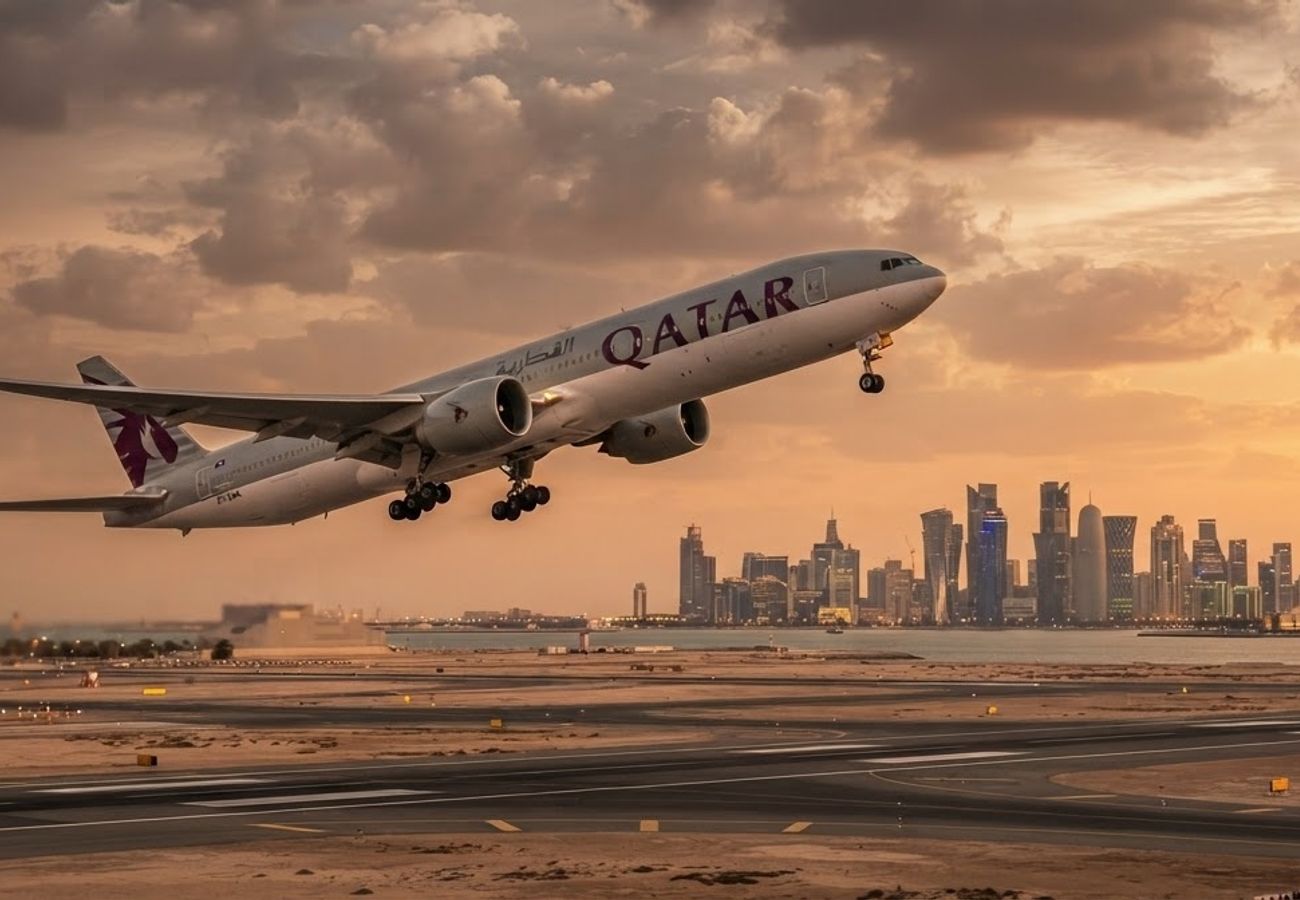
Image generated by AI
US authorities have issued a formal security alert for citizens in Qatar and the broader Middle East, citing regional tensions that could trigger sudden airspace closures and mass flight cancellations.
The United States government has advised travelers currently in Doha or planning transit through Qatar to maintain extreme vigilance. While the alert does not mandate a complete cessation of travel, it underscores a volatile security environment where geopolitical escalations could abruptly disrupt international aviation corridors.
Aviation Risks and Operational Disruptions
The primary focus of the security alert is the vulnerability of air connectivity. Because Doha serves as a primary global nexus linking Asia, Europe, Africa, and the Americas, any localized instability in Qatari airspace has a systemic effect on global transit.
The US government has specifically identified the following risks for passengers:
- Airspace Restrictions: Sudden closures of regional corridors forcing long-distance rerouting.
- Flight Cancellations: Abrupt schedule changes based on real-time safety assessments.
- Operational Delays: Increased flight times and missed connections due to mandatory route deviations.
- Airport Volatility: Potential adjustments to normal operations at Hamad International Airport.
Transit Impact and Route Specifications
For passengers utilizing Qatar Airways or other carriers transiting through Doha, the risk is not merely destination-based but systemic. The following table outlines the potential impact on various transit flows.
| Transit Segment | Primary Risk Factor | Potential Outcome | Recommended Action |
|---|---|---|---|
| Europe $\rightarrow$ Asia | Airspace Closure | Extended flight duration / Rerouting | Buffer layovers by 6+ hours |
| Americas $\rightarrow$ Africa | Schedule Shifts | Missed connecting flights | Verify flight status 12h prior |
| Regional Gulf Travel | Security Escalation | Sudden airport closures | Monitor official embassy alerts |
| Asia $\rightarrow$ Europe | Route Deviations | Increased fuel stops / Delays | Confirm insurance covers disruptions |
Traveler Logistics Guide: Navigating Doha Under Alert
From a ground-level perspective, the best way to navigate this uncertainty is to shift from a "fixed itinerary" mindset to a "flexible transit" strategy. When a hub as significant as Doha enters a high-watch phase, the ripple effects are felt thousands of miles away.
Booking and Connection Strategies If you are booking a connection through Doha, avoid "tight" connections (under 3 hours). In the event of airspace rerouting, aircraft may arrive significantly off-schedule. We recommend a minimum layover of 6 to 8 hours to ensure that a single delay does not result in a stranded overnight stay.
Digital Transit and Documentation Ensure all travel documents are digitized and accessible offline. In scenarios where airport operations are stressed, digital check-ins via airline apps are faster and provide real-time notifications that may precede airport signage.
Customs and Policy Awareness While this is a security alert rather than a policy change, travelers should remain cognizant of local authority instructions. Maintain an active line of communication with your embassy and ensure your travel insurance specifically covers "political instability" or "civil unrest," as standard policies often exclude these categories.
Infrastructure Impact Assessment
The strategic positioning of Doha makes it a critical failure point in the global aviation network. Unlike smaller regional airports, Hamad International Airport handles a volume of transit passengers that makes any disruption a global event.
If regional tensions lead to sustained airspace closures, we expect to see a surge in demand for alternative hubs such as Dubai (DXB) or Istanbul (IST). This shift typically results in increased ticket pricing and reduced seat availability across the Middle East corridor. For the tourism sector, this alert serves as a reminder that the "hub-and-spoke" model of modern aviation is highly susceptible to geopolitical volatility.
Stay vigilant and prioritize flexibility over convenience in the current regional climate.
Related Travel Guides
Disclaimer
This article is for informational and educational purposes only. It does not constitute legal, financial, or professional advice. While we strive to provide accurate and up-to-date information, travel policies, regulations, and conditions change rapidly. Always verify information with official sources before making travel decisions. Nomad Lawyer makes no representations about the accuracy, reliability, completeness, or suitability of the information provided. Readers should consult qualified professionals for advice specific to their circumstances. The views expressed in this article are those of the author and do not necessarily reflect the views of Nomad Lawyer.
Preeti Gunjan
Contributor & Community Manager
A passionate traveller and community builder. Preeti helps grow the Nomad Lawyer community, fostering engagement and bringing the reader experience to life.
Learn more about our team →