
US Fishing Tourism Regulations Expand Red Snapper Window and Conservation Controls for 2026

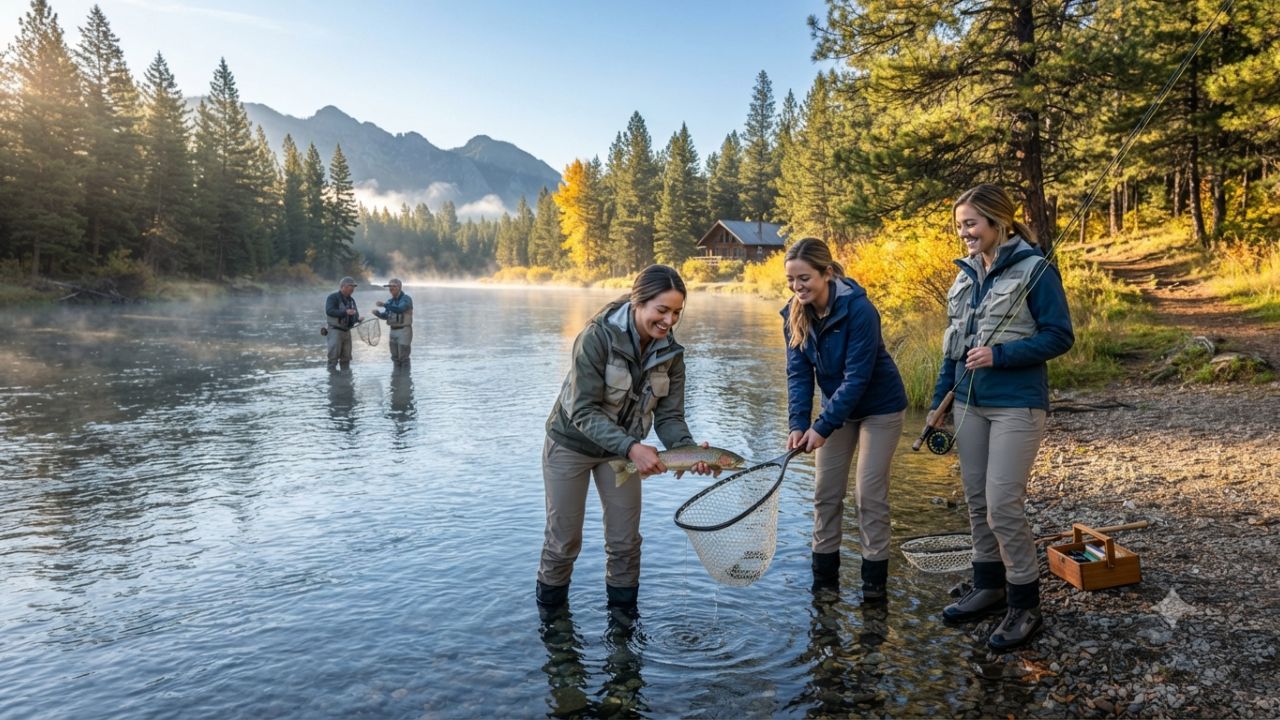
Federal and state wildlife agencies in the United States are adjusting recreational fishing seasons, catch limits, and licensing requirements for autumn 2026.
Recreational fishing tourism across the United States is seeing significant seasonal adjustments as federal and state wildlife agencies align catch windows with data collection and species conservation programs. From a targeted October red snapper harvest in the South Atlantic to temperature-based river closures in Montana and mandatory invasive species rules in Yellowstone, visiting anglers face evolving compliance standards for autumn 2026.
NOAA Opens Specialized South Atlantic Red Snapper Season for October Anglers
[WASHINGTON, October 4, 2026] — The National Oceanic and Atmospheric Administration (NOAA) has authorized a specialized October harvest window for red snapper across federal and state waters in Florida, Georgia, and South Carolina. Under the approved framework, eligible anglers holding specialized state permits can target red snapper from October 9 through October 22, 2026.
A separate federal recreational season operates concurrently from October 9 to October 11, 2026, enforcing a daily bag limit of one fish per person with no minimum length restriction.
These distinct seasonal windows provide recreational charter operators and private anglers with a focused autumn fishing opportunity. However, NOAA guidelines explicitly prohibit participants from combining the special permit harvest with the general federal recreational window. Anglers must declare and commit to a single regulatory scheme before booking offshore charters or launching private vessels, making advance compliance verification essential prior to travel.
State-Level Licensing and Entry Regulations Shape Florida's Coastal Fishing Logistics
Florida has established detailed operational requirements for anglers participating in the October red snapper harvest. Private recreational fishermen must hold a valid saltwater fishing license unless covered by statutory state exemptions, alongside the mandatory, free State Reef Fish Angler designation. Commercial charter operations and for-hire vessels must complete registration with Florida's state registry and retain physical or digital copies of the special permit aboard during all active trips.
Under state enforcement rules, private anglers aged 16 and older must complete a formal trip declaration before departing from the dock. For tourists utilizing licensed charter services, the requirement rests with the vessel captain, who manages trip logging on behalf of paying passengers.
Florida marine biologists are utilizing the extended October opening to evaluate angler reporting accuracy and post-release mortality rates. Within Florida waters, participants operate under a combined aggregate limit of ten fish across the snapper and grouper complex, of which only one may be a red snapper. Once an angler reaches the ten-fish aggregate threshold, all bottom-fishing activities targeting reef species must cease immediately.
Economic Analysis Traces Multi-Billion Dollar Impact of Recreational Saltwater Angling
The financial scope of US recreational fishing highlights the sector's broader impact on coastal communities. According to NOAA's national economic summary covering 2023 baseline data, recreational saltwater angling generated $145.4 billion in total economic sales impacts across the United States. The sector supported 694,041 full-time and part-time jobs, contributing $47.1 billion in total income and $78.4 billion in added economic value.
Durable equipment purchases—including boats, tackle, safety gear, and electronics—represented the single largest portion of total sales impact. Direct trip expenditures, such as charter fees, fuel, lodging, and marina services, accounted for the remaining direct economic output.
While these figures illustrate the substantial financial footprint of recreational saltwater fishing, federal economists clarify that the numbers capture total domestic participation across 2023 rather than international tourist arrivals for 2026. The data confirms the economic importance of sustainable fishery management to coastal businesses, local tackle suppliers, and marine charter fleets.
Federal Funding Allocations Direct $442 Million Toward Sport Fish Restoration
Public investment in fishery infrastructure remains substantial entering the fiscal year 2026. The final Sport Fish Restoration program table confirms a national funding allocation of $442,852,945, which includes returned and redistributed funds from previous fiscal cycles.
State allocations under the federal program distribute resources based on land area and registered angler counts:
- Alaska receives approximately $22.1 million for state fishery management.
- Florida receives approximately $17.1 million for coastal access and habitat projects.
- Montana receives approximately $11.0 million for freshwater conservation and stream maintenance.
Financed through federal excise taxes on fishing equipment, import duties on watercraft, and dedicated motorboat fuel tax receipts, the Sport Fish Restoration system links consumer purchases directly with public access projects. For traveling anglers, these funds support public boat ramps, fish stocking programs, aquatic education centers, and habitat restoration efforts across popular fishing corridors.
Changing Catch Limits and Hatchery Closures Redefine Alaska's Salmon Operations
In Alaska, state fishery managers adjust sport fishing rules dynamically in response to real-time fish count data. In Southeast Alaska, the Department of Fish and Game temporarily increased the annual king salmon limit for nonresident anglers to four fish during August and September 2026. The emergency order responded to lower-than-expected commercial and sport catches, while retaining the standard daily bag and possession limit of two qualifying salmon measuring at least 28 inches. This emergency order expired on September 30, returning the region to standard seasonal limits.
Conversely, conservation concerns triggered targeted closures near Sitka. State officials closed Bear Cove and Deep Inlet to sport fishing for coho salmon from September 15 through October 31, 2026. The protective emergency closure was implemented to ensure sufficient returning salmon reach local hatcheries to meet critical broodstock collection goals.
Travelers booking autumn fishing trips to Alaska must verify localized emergency orders, as open regional seasons do not preclude localized closures for specific bays or target species.
Thermal Restrictions and Native Species Controls Alter Inland Yellowstone and Montana Trip Planning
Inland freshwater destinations face environmental pressures tied to seasonal water temperatures and river flow rates. In Montana, state wildlife officials enforce afternoon fishing closures—known as "hoot owl" restrictions—when elevated water temperatures place cold-water trout under severe physiological stress. Where implemented, these mandatory restrictions prohibit all fishing activity between 2:00 PM and midnight along specified river stretches.
Similar environmental conditions affected Yellowstone National Park during summer 2026, where low river flows and elevated water temperatures prompted temporary fishing bans along the Firehole, Madison, and specified stretches of the Gibbon River. Park officials lifted these temporary thermal restrictions on September 4, 2026, as water conditions improved.
Yellowstone also enforces strict species-specific handling mandates to protect native fish populations:
- Native cutthroat trout and Arctic grayling must be released immediately and unharmed.
- Non-native lake trout caught in Yellowstone Lake must be killed immediately by anglers.
- Small non-native species in designated park streams face mandatory removal rules.
- All watercraft, including angler float tubes and kayaks, must pass mandatory park inspection stations to prevent the introduction of invasive aquatic species before launching.
Pacific Nonresident Licensing Fees Support Hawaii's Marine Conservation Infrastructure
In the Pacific, Hawaii maintains specific licensing structures for nonresident marine anglers. Nonresident recreational sea anglers aged 15 and older are required to purchase a state fishing license prior to engaging in ocean fishing.
Hawaii's published nonresident fee schedule includes:
- $20.00 for a single-day license.
- $40.00 for a seven-day license.
- $70.00 for an annual license.
- Applicable administrative online processing fees.
- Statutory exemptions for active-duty US military personnel and their minor dependents.
State environmental reports from February 2025 projected that nonresident license sales would generate approximately $1 million annually. Revenue collected under the licensing framework is dedicated to funding marine conservation projects, including the construction of artificial reefs, maintenance of offshore fish aggregating devices (FADs), stock enhancement programs, and coastal habitat restoration.
Critical Impact Analysis: Operational Planning and Guide Responsibilities for Visiting Anglers
For charter captains and professional fishing guides, shifting federal and state regulations demand rigorous pre-trip administrative planning. Managing multi-species aggregate limits, verifying daily thermal closures, and ensuring proper electronic trip declarations require constant operational monitoring.
For traveling anglers, successful trips require verifying that booked operators possess the necessary federal permits and state registrations for target offshore species. Establishing clear communication regarding catch-and-release protocols, release device usage (such as barotrauma descending tools), and contingency plans for weather or emergency closures ensures compliance and reduces unexpected disruptions during travel.
Why This Matters (Information Gain & Experience)
For the recreational angler, understanding the intersection of conservation rules and fishing schedules is essential for planning a successful vacation. Regulatory changes directly influence gear requirements, daily departure times, financial budgets, and target species availability across major US fishing destinations.
Whether purchasing a short-term Hawaiian marine license, equipping vessels with barotrauma mitigation tools in Florida, or adapting to afternoon river closures in Montana, compliance with local conservation mandates directly preserves public access to world-class fisheries. By verifying localized emergency orders and selecting licensed, conservation-minded guide services, traveling anglers contribute directly to the long-term sustainability of marine and freshwater ecosystems.
Related Travel Guides
Southeast Asia Regional Tourism Growth and Visitor Demand Index 2026
ASEAN Eco-Tourism Corridors and Coastal Investment Guide 2026
10 Best Deep Sea Fishing Charters in Florida According to Reddit
Disclaimer
This article is for informational and educational purposes only. It does not constitute legal, financial, or professional advice. While we strive to provide accurate and up-to-date information, travel policies, regulations, and conditions change rapidly. Always verify information with official sources before making travel decisions. Nomad Lawyer makes no representations about the accuracy, reliability, completeness, or suitability of the information provided. Readers should consult qualified professionals for advice specific to their circumstances. The views expressed in this article are those of the author and do not necessarily reflect the views of Nomad Lawyer.
Raushan Kumar
Founder & Lead Developer
Full-stack developer with 11+ years of experience and a passionate traveller. Raushan built Nomad Lawyer from the ground up with a vision to create the best travel and law experience on the web.
Learn more about our team →