
US DHS Visa Policy Changes Force F-1 and J-1 Students to Return by September 15 2026
New DHS regulations replace the Duration of Status framework with a four-year admission cap, requiring international students to re-enter the US by September 15 to maintain legal standing.

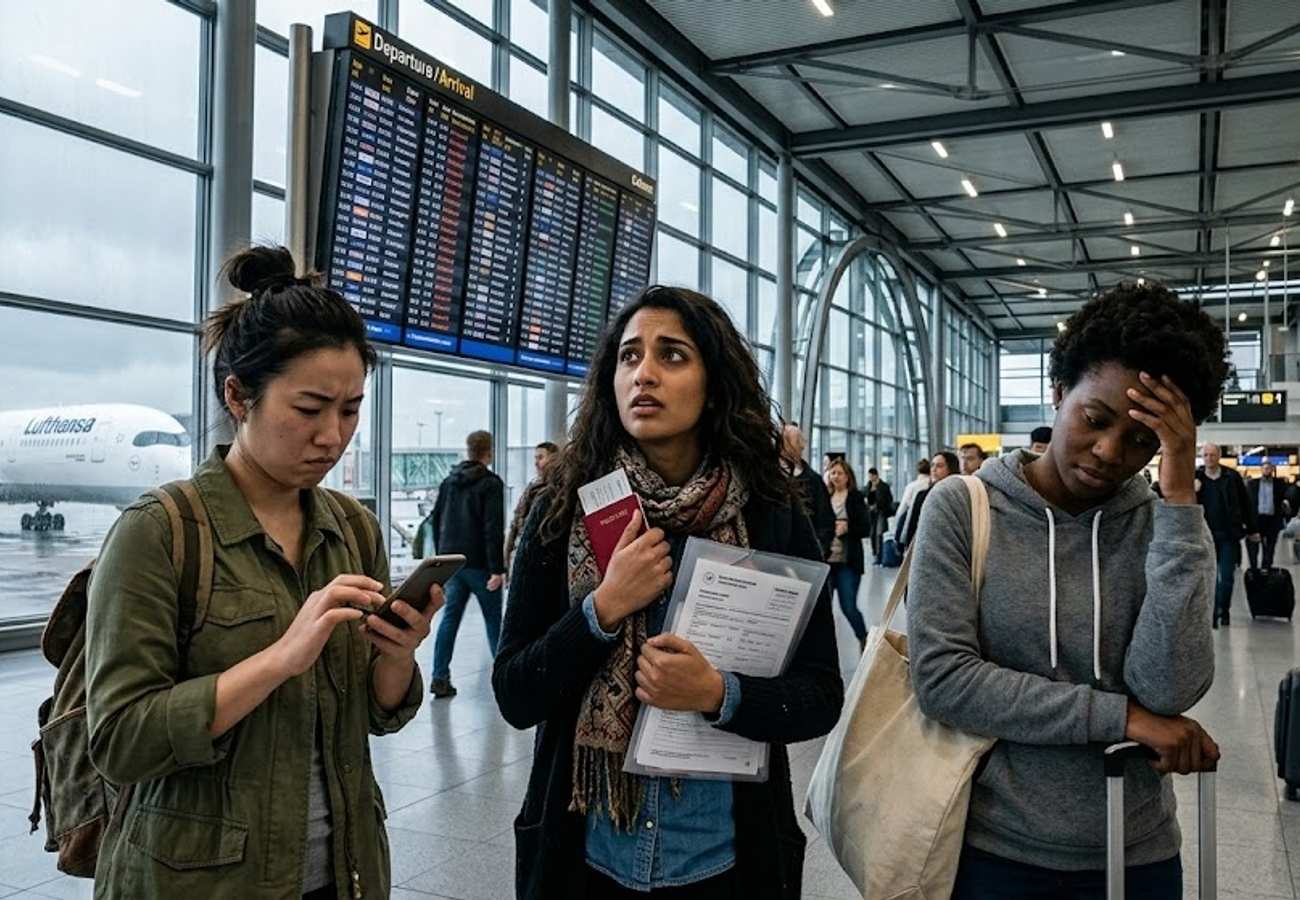
Image generated by AI
New Department of Homeland Security (DHS) regulations have eliminated the flexible Duration of Status framework, imposing a strict four-year admission cap on F-1 and J-1 visa holders. International students currently abroad are urged to re-enter the United States before September 15 to safeguard their legal status.
The DHS Final Rule fundamentally transforms the terms of stay for foreign scholars and journalists. Under the previous system, students could remain in the US for the entirety of their academic enrollment without a fixed expiration date. The new mandate replaces this with a fixed admission model, capping initial stays at a maximum of four years.
This regulatory shift has prompted universities to issue urgent notices to students, particularly those traveling from major hubs such as Mumbai and other regions across India, to ensure they are present in the country before the September 15 deadline to avoid potential port-of-entry complications.
Critical Flight and Immigration Impact Breakdown
The transition to a fixed admission model introduces several operational hurdles for travelers and scholars:
- Entry Deadline: Students outside the US are advised to complete their return travel by September 15.
- Grace Period Reduction: The post-completion departure grace period has been reduced from 60 days to 30 days.
- Admission Caps: Initial stays are now limited to a maximum of 4 years.
- Documentation Shift: Lawful presence is now dictated by the "Admit Until Date" on Form I-94 rather than the academic program's end date.
- Extension Requirements: Any stay exceeding the 4-year threshold requires a formal Extension of Stay petition via Form I-539.
Passenger Rights & Compliance Advisory
International students must move from a passive status maintenance approach to an active compliance strategy. Failure to adhere to these new timelines may result in unlawful presence or denial of entry.
Immediate Action Steps for Travelers:
- Verify Form I-94: Immediately check the "Admit Until Date" on your electronic I-94 arrival record. This date is now the primary determinant of your legal stay.
- Audit I-20 Dates: Compare your Form I-20 program completion date with your I-94 record. If the I-94 date precedes the I-20 date, you are at risk of falling out of status.
- File Form I-539: If your degree requires more than 48 months to complete, file Form I-539 with US Citizenship and Immigration Services (USCIS) well before your current admission expires.
- Document Transit: Keep a digital and physical folder containing your current visa, I-20, and proof of financial support to present at the port of entry during the September rush.
Transitional Protections: Students residing within the US as of September 15 may generally remain until their Form I-20 completion date or the end of approved optional practical training (OPT). However, this protection is subject to an overall four-year ceiling with a hard operational cutoff in late 2030.
Industry Analyst View: Operational and Academic Risks
The shift from a flexible to a rigid admission model creates a significant mismatch between immigration law and academic reality. Our analysis indicates several critical failure points in the current DHS strategy:
Timeline Discrepancies Data shows the median duration for a standard undergraduate bachelor's degree is approximately 52 months. The 48-month (4-year) cap creates an automatic deficit for the average student. This is further exacerbated for doctoral candidates, whose research typically requires six years of continuous laboratory and field work.
Administrative Bottlenecks The requirement to move thousands of students from "automatic" status to "petition-based" status places an immense burden on USCIS. With existing case backlogs involving millions of pending documents, the processing time for Form I-539 extensions may exceed the remaining time on a student's visa, leading to accidental undocumented status.
Global Competitiveness The reduction of the grace period from 60 to 30 days and the introduction of rigid renewal structures may trigger a "brain drain." Scholars may redirect their pursuits toward nations with more predictable immigration policies, potentially disrupting critical research teams and staffing in US university laboratories.
Strict adherence to the September 15 deadline is the only guaranteed method to mitigate immediate entry risks.
Related Travel Guides
Disclaimer
This article is for informational and educational purposes only. It does not constitute legal, financial, or professional advice. While we strive to provide accurate and up-to-date information, travel policies, regulations, and conditions change rapidly. Always verify information with official sources before making travel decisions. Nomad Lawyer makes no representations about the accuracy, reliability, completeness, or suitability of the information provided. Readers should consult qualified professionals for advice specific to their circumstances. The views expressed in this article are those of the author and do not necessarily reflect the views of Nomad Lawyer.
Preeti Gunjan
Contributor & Community Manager
A passionate traveller and community builder. Preeti helps grow the Nomad Lawyer community, fostering engagement and bringing the reader experience to life.
Learn more about our team →