
Vermont Tourism Slumps as Burlington Segway Tours Drop from 500 to 60 Amid Canada Trade Tensions 2026
Trade disputes between the U.S. and Canada have triggered a collapse in Vermont tourism, with Burlington tour operators reporting a 90% decline in Segway bookings as Canadian visitors vanish.

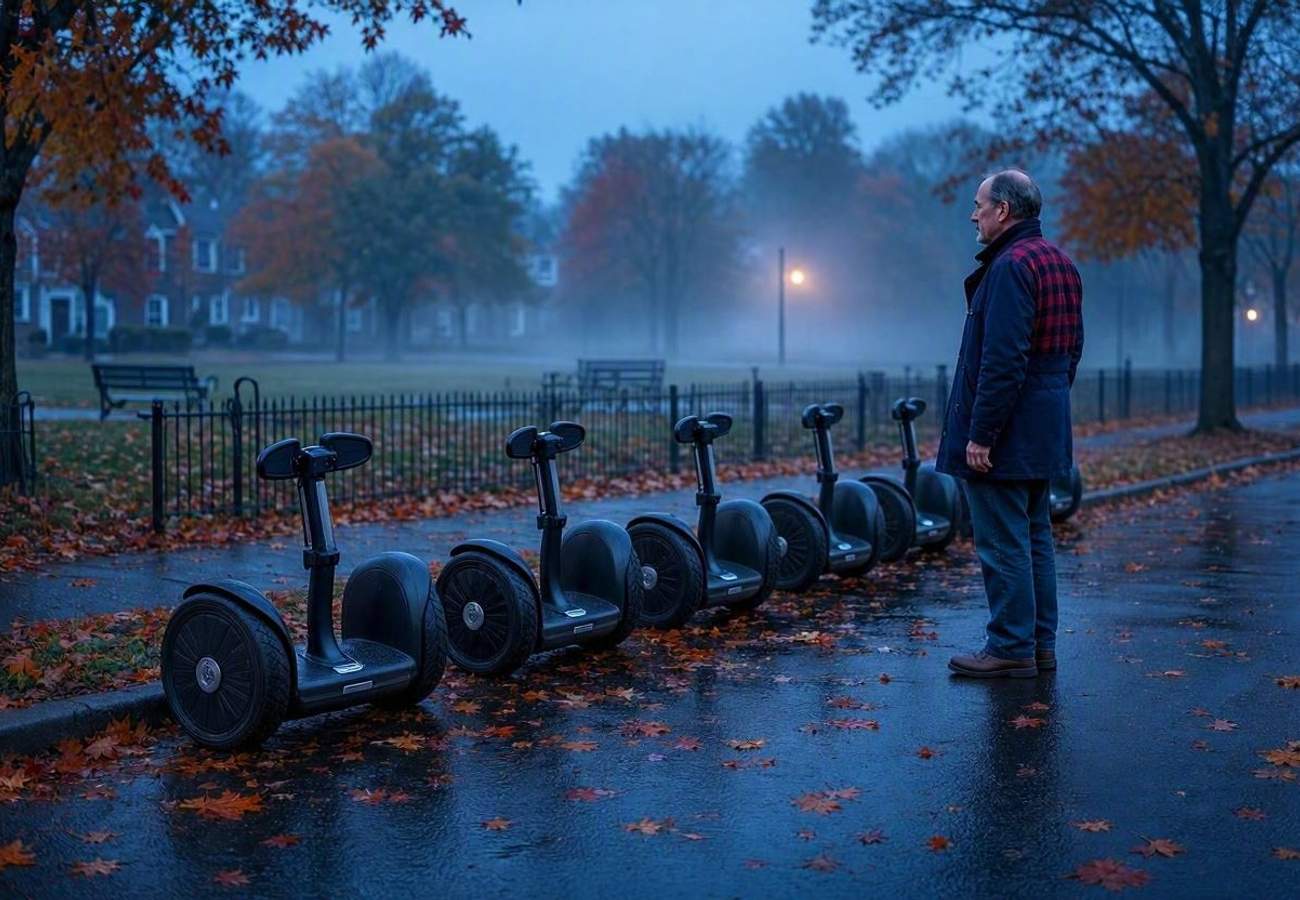
Image generated by AI
[Burlington, September 22, 2026] — A staple of the Burlington tourism scene is facing a near-total collapse in bookings, with annual Segway tours plummeting from a peak of 500 to a projected 60 for 2026. The sharp decline is a direct consequence of escalating trade tensions between the United States and Canada, which have discouraged northern neighbors—particularly those from Quebec—from crossing the border into Vermont.
The downturn is most visible at Burlington Segways and Electric Bikes, where co-owner Rick Sharp reports a 90% drop in tour volume compared to the 2015-2016 period. While domestic American travelers have increased their presence in the "Queen City," the growth in U.S. tourism has failed to fill the massive revenue gap left by the disappearance of Canadian visitors.
Trade Tensions Trigger Tourism Collapse
The immediate catalyst for the decline is a cooling of diplomatic and economic relations between Washington and Ottawa. For decades, Burlington has served as a primary weekend getaway for Canadians due to its proximity to the border and its scenic location on Lake Champlain. However, current political friction has altered travel behaviors, leading to a significant reduction in cross-border transit.
The impact is not limited to niche tour operators. Data from the Vermont Agency of Commerce and Community Development reveals a systemic failure in Canadian consumer spending. In 2025, the use of Canadian credit cards within the state dropped by 46%, while the total spending associated with those cards plummeted by 47% compared to 2024 figures.
Market Impact and Visitor Metrics
The loss of the Canadian market has created a bifurcated reality for Vermont businesses. While some large-scale resorts have pivoted to domestic markets, smaller, experience-based attractions are struggling to survive.
The following data outlines the specific declines reported by local operators and state agencies:
| Metric | Peak/Previous Period | 2025-2026 Status | Variance |
|---|---|---|---|
| Annual Segway Tours | 400–500 (2015-16) | 50–60 (Projected) | -90% |
| Canadian Visitor Volume | Baseline | 40–50% Decrease | -45% (Avg) |
| Canadian Card Spending | 2024 Levels | 2025 Levels | -47% |
| Canadian Card Usage | 2024 Levels | 2025 Levels | -46% |
| European Tourism | Baseline | Similar to Canada | -30% to -40% |
While Jay Peak Resort reported a record-breaking year overall, this success was attributed to exceptional snowfall and an influx of American skiers rather than a recovery of the Canadian market. In fact, the resort's hockey-related business—a sector heavily reliant on Canadians—fell by approximately 25%.
Practical Traveler Advisory and Strategic Insights
For those planning a trip to Northern New England, the current environment presents a mixed bag of availability and atmosphere.
For American Travelers: The decline in international visitors has created more availability at hotels and attractions. With fewer crowds from Quebec, domestic tourists may find shorter wait times for popular tours and easier bookings at ski resorts.
For Canadian Travelers: The "stay away" trend is largely driven by sentiment and trade disputes rather than official travel bans. However, travelers should monitor official guidance from the Government of Canada regarding border crossing conditions. While Vermont officials are actively trying to lure Canadians back—including previous offers of free park admissions—the atmosphere remains strained.
For Business Operators: The shift proves that heavy reliance on a single international demographic is a high-risk strategy. Businesses in Burlington are now forced to aggressively market to domestic "staycationers" to offset the 40-50% revenue loss previously provided by Canadian guests.
The decline in Burlington Segway Tours is attributed to the ongoing Canada trade tensions, which have resulted in a significant decrease in tourist arrivals from Canada. According to the U.S. Travel Association, the trade tensions have led to a decline in tourism revenue for the state of Vermont. This decline has had a ripple effect on the local economy, with many businesses relying on tourism to sustain their operations.
Efforts to Restore Cross-Border Ties
Vermont leadership and the local arts community are attempting to use "soft power" to repair the relationship. Governor Phil Scott has publicly lamented the situation, describing the loss of Canadian visitors as "unnecessary" and "discouraging," while maintaining open lines of communication with Canadian officials.
Cultural initiatives are also underway. The Grand Point North Music Festival, held from September 18–20, 2026, at Waterfront Park, was designed specifically to reconnect the two communities. Founder and musician Grace Potter is leveraging the event to foster emotional and creative ties, arguing that art can bridge the gap when political discussions fail.
Despite these grassroots and governmental efforts, the economic data suggests a long road to recovery. The transition from 500 tours to 60 is not merely a fluctuation but a structural shift in how the region attracts international capital.
FAQ: Vermont Tourism 2026
Why are fewer Canadians visiting Burlington and Vermont? The decline is primarily attributed to ongoing trade tensions and diplomatic disagreements between the U.S. and Canadian governments, which have discouraged Canadians from making leisure trips across the border.
Are all Vermont businesses suffering from this trend? No. Some large entities, like Jay Peak Resort, have offset Canadian losses by attracting more American tourists, aided by favorable weather conditions. However, small tour operators have seen declines of up to 90%.
Is it still safe for Canadians to travel to Vermont? Yes. There are no official bans on travel. The decline is based on consumer behavior and political sentiment rather than safety warnings or legal restrictions.
What are Vermont officials doing to attract visitors back? The state has implemented various tourism initiatives, including offering free admission to select parks and hosting cross-border cultural events like the Grand Point North Music Festival.
The "Queen City" now waits to see if culture and diplomacy can replace the lost revenue of a vanishing neighbor.
Related Travel Guides
Disclaimer
This article is for informational and educational purposes only. It does not constitute legal, financial, or professional advice. While we strive to provide accurate and up-to-date information, travel policies, regulations, and conditions change rapidly. Always verify information with official sources before making travel decisions. Nomad Lawyer makes no representations about the accuracy, reliability, completeness, or suitability of the information provided. Readers should consult qualified professionals for advice specific to their circumstances. The views expressed in this article are those of the author and do not necessarily reflect the views of Nomad Lawyer.
Naina Thakur
Contributor & Travel Specialist
Travel enthusiast and legal writer covering visa regulations, responsible tourism, and cultural journeys across global destinations.
Learn more about our team →