
US Aviation Deal Soars as Turkish Airlines Secures Up to 150 Boeing 737 MAX Jets for Global Fleet Growth
US Aviation Deal Soars as Turkish Airlines Secures Up to 150 Boeing 737 MAX Jets for Global Fleet Growth

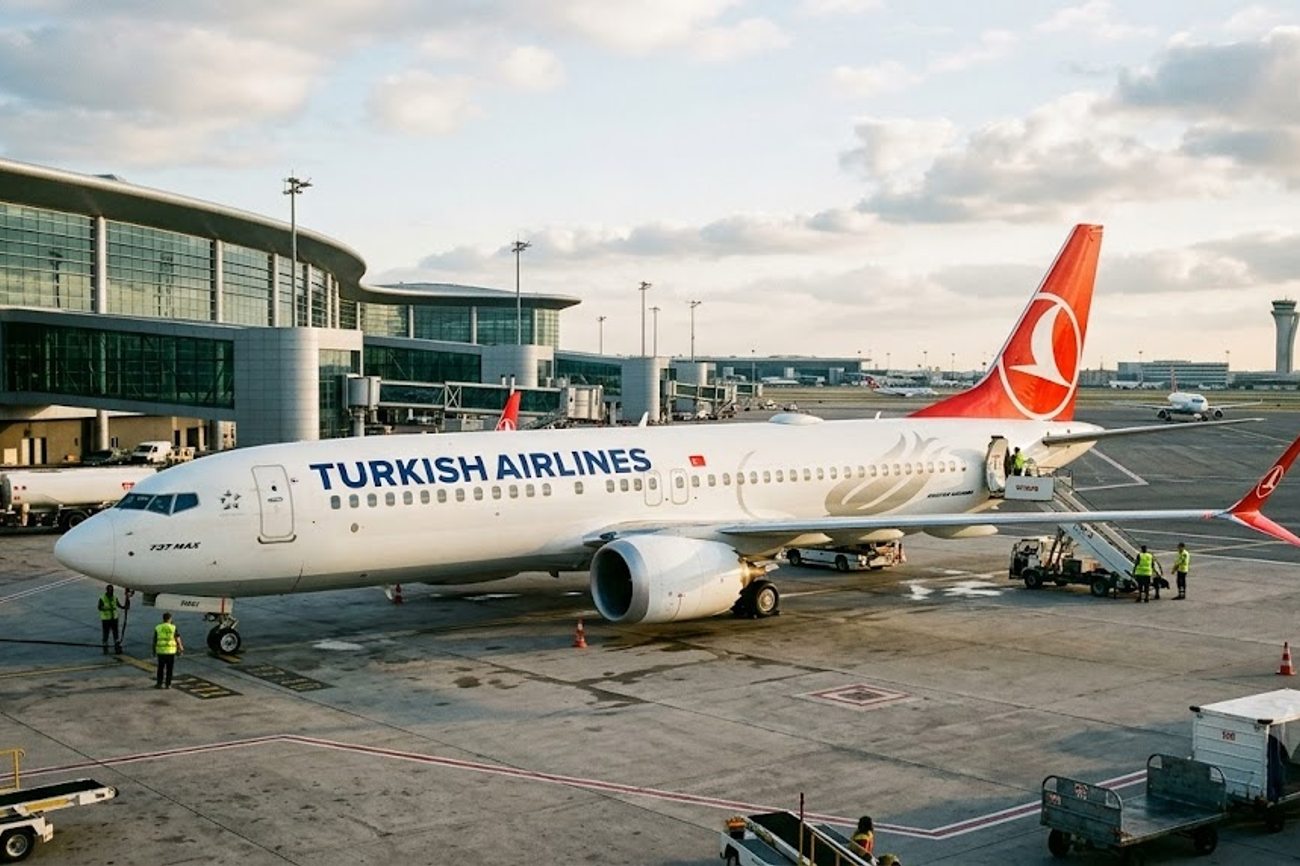
Image generated by AI
[New York, September 23, 2026] — Turkish Airlines has committed to a massive expansion of its narrowbody fleet, ordering up to 150 Boeing 737 MAX aircraft to scale its operations from its Istanbul hub. The deal, finalized in New York, represents the largest single-aisle order in the carrier's history with the American manufacturer.
The agreement consists of 100 firm orders for Boeing 737-8 jets, with additional options for 50 more 737 MAX aircraft. The final terms of the procurement are scheduled to close in September 2026. To ensure operational agility, the contract includes substitution rights, allowing the airline to swap smaller jets for the larger Boeing 737-10 model depending on future passenger volume and route demand.
The Catalyst for Fleet Expansion
The primary driver behind this acquisition is the aggressive growth strategy centering on Istanbul Airport, which serves as the critical bridge between European, Asian, African, and Middle Eastern markets. Turkish Airlines requires a more versatile fleet to maintain its status as one of the world's most connected carriers.
As the airline modernizes, it is prioritizing fuel efficiency and reduced operating costs. The 737 MAX family is designed to meet these requirements, offering superior range and lower fuel burn compared to previous generations of narrowbody aircraft. By integrating these jets, the airline can better manage the economics of short-to-medium haul flights while increasing the frequency of services to secondary cities.
Market and Route Impact
The influx of up to 150 new aircraft will fundamentally alter the carrier's capacity on regional and international short-haul corridors. The fleet mix is designed to balance high-density routes with emerging markets.
- Primary Hub: Istanbul (IST) — Increased flight frequencies and expanded connectivity.
- Aircraft Models: 100 firm Boeing 737-8 units; options for 50 additional MAX jets; substitution options for Boeing 737-10.
- Target Markets: Enhanced regional connectivity across Europe, Asia, and Africa.
- Strategic Goal: Replacing older, less efficient aircraft to meet modern environmental and financial standards.
The use of narrowbody aircraft is essential for the airline's "hub-and-spoke" model. While widebody jets handle long-haul traffic, these new Boeing aircraft allow the carrier to feed passengers from smaller regional airports into the Istanbul hub for onward international travel.
What This Means for Travelers
For the average passenger, this fleet expansion translates into tangible changes in how they book and experience travel with Turkish Airlines.
Increased Flight Frequency With more aircraft available, the airline is expected to launch new routes and increase the number of daily flights to existing destinations. This reduces the need for long layovers and provides more flexible scheduling options for business and leisure travelers.
Modern Cabin Experience Passengers will increasingly find themselves on newer aircraft. The 737 MAX features updated cabin interiors and improved fuel efficiency, which often correlates with more reliable performance and modern amenities compared to aging fleet models.
Better Access to Secondary Cities Because narrowbody jets are more economical for shorter distances, Turkish Airlines can now profitably serve smaller cities that cannot support a large widebody aircraft. This means more direct options to regional hubs without needing multiple connections.
Pricing Stability While not guaranteed, the move toward fuel-efficient aircraft helps the airline hedge against volatile fuel prices. By lowering the cost per seat, the carrier can maintain competitive pricing on medium-haul routes.
The Road to September 2026
The timeline for this rollout is structured to align with the airline's broader modernization program. Between now and the final closing of the deal in September 2026, Boeing will coordinate the delivery schedule to ensure the airline can integrate the new jets without disrupting current operations.
The substitution rights are a key component of the forward-looking strategy. If specific routes see a surge in demand—such as those connecting Istanbul to major European capitals—the airline can pivot its order toward the 737-10, which offers higher seating capacity. This prevents the airline from being locked into a fleet size that may become obsolete as travel patterns shift.
This investment is part of a global trend where carriers are racing to renew fleets to meet stricter environmental regulations and rising passenger expectations. By securing a massive block of single-aisle aircraft, Turkish Airlines is positioning itself to dominate the medium-haul market for the next decade.
The expansion also serves as a strategic signal to the aviation industry. As the International Air Transport Association (IATA) continues to track the recovery and growth of global air travel, Turkish Airlines is betting heavily on the efficiency of the MAX platform to sustain its rapid international growth.
FAQ: Turkish Airlines Boeing Expansion 2026
How many new planes is Turkish Airlines actually getting? The airline has a firm order for 100 Boeing 737-8 aircraft, with the option to purchase an additional 50 Boeing 737 MAX jets, bringing the potential total to 150 aircraft.
Will this change the number of flights available from Istanbul? Yes. The increase in narrowbody capacity is specifically designed to allow the airline to increase flight frequencies and introduce new regional routes from its Istanbul hub.
What is the difference between the 737-8 and the 737-10 mentioned in the deal? The 737-8 is a standard narrowbody jet, while the 737-10 is a larger variant. The airline has the right to substitute the smaller jets for the larger ones to increase passenger capacity on busier routes.
When will these planes be fully integrated into the fleet? The final deal is scheduled to close in September 2026, with deliveries occurring as part of the airline's ongoing fleet modernization program.
A strategic bet on efficiency to cement Istanbul's role as the world's premier aviation crossroads.
#TurkishAirlines #Boeing737MAX #IstanbulAirport #AviationFleet2026 #ISTHub #Boeing737-8
Related Travel Guides
- Spain and South America Gain Stronger Air Links as Madrid-Barajas Expands European Flight Network
- Riviera Travel Offers Exclusive River Cruise Savings As Travellers Plan 2027 Holiday Adventures
- New York Stands Alongside New Orleans And More As The USA Unveils 20 Iconic Cities Every Traveller Must Discover In 2026
Disclaimer
This article is for informational and educational purposes only. It does not constitute legal, financial, or professional advice. While we strive to provide accurate and up-to-date information, travel policies, regulations, and conditions change rapidly. Always verify information with official sources before making travel decisions. Nomad Lawyer makes no representations about the accuracy, reliability, completeness, or suitability of the information provided. Readers should consult qualified professionals for advice specific to their circumstances. The views expressed in this article are those of the author and do not necessarily reflect the views of Nomad Lawyer.
Raushan Kumar
Founder & Lead Developer
Full-stack developer with 11+ years of experience and a passionate traveller. Raushan built Nomad Lawyer from the ground up with a vision to create the best travel and law experience on the web.
Learn more about our team →