
Uruguay Tourism Guide 2026: Glamorous Beaches, Colonial History, and Gaucho Culture
Explore the ultimate 2026 Uruguay travel guide, featuring the luxury of Punta del Este, the UNESCO-listed Colonia del Sacramento, and the rugged gaucho traditions of Tacuarembó.

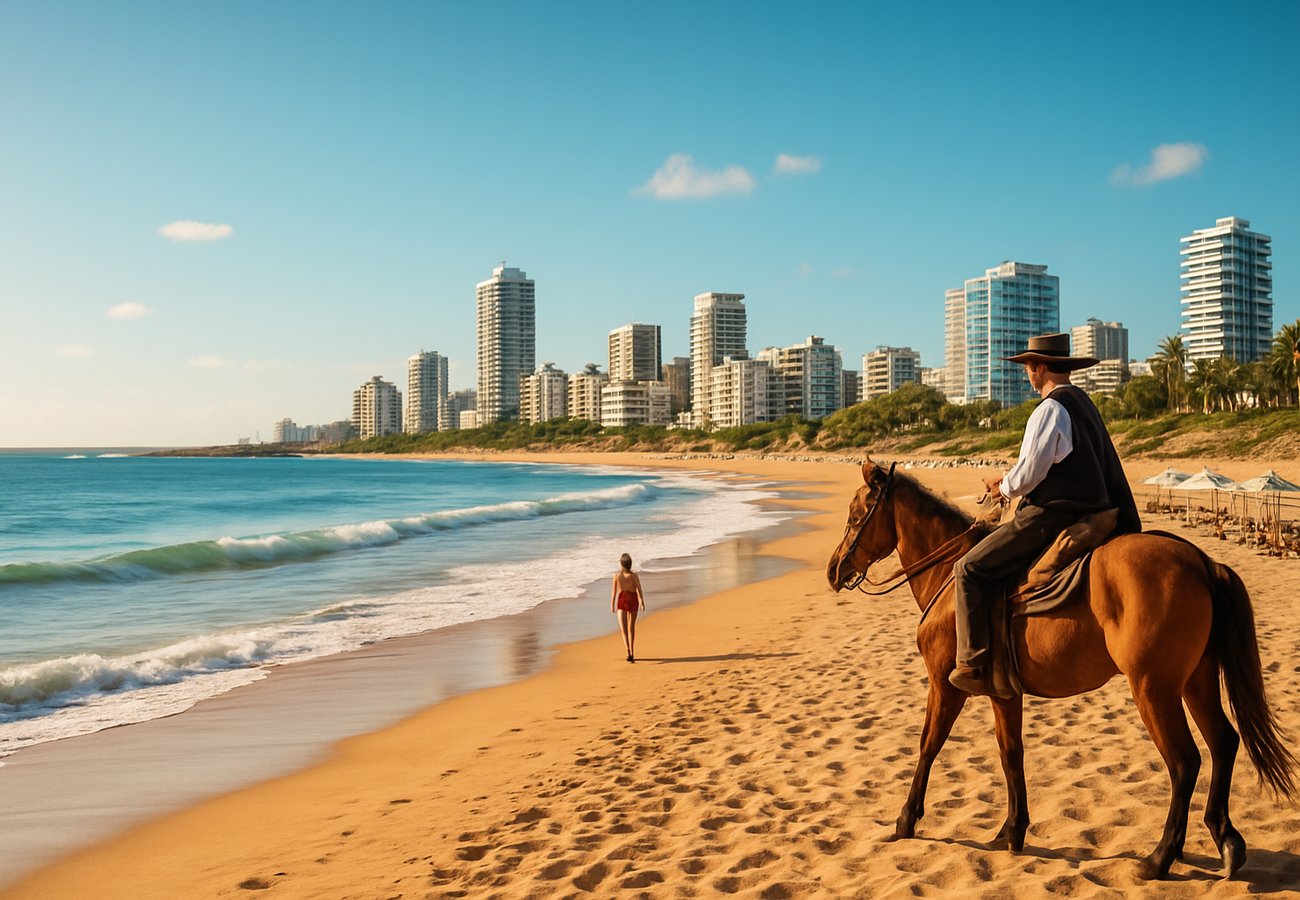
Image generated by AI
Quick Summary
- Colonial Heritage: Colonia del Sacramento is a UNESCO World Heritage Site featuring well-preserved 17th-century Portuguese and Spanish architecture.
- Luxury Coastal Hub: Punta del Este remains South America’s premier beach destination, famous for its Brava Beach "Hand" sculpture and high-end nightlife.
- Capital Vibrancy: Montevideo offers a blend of historic architecture in the Ciudad Vieja and the world's longest Carnival celebration.
- Eco-Tourism Gem: Cabo Polonio National Park provides a remote experience with sand dunes and sea lion colonies, accessible only by 4x4 vehicles.
- Gaucho Traditions: The Tacuarembó region serves as the heart of Uruguayan rural life, hosting traditional folk festivals and authentic asado (barbecue).
- Culinary Staple: Beef is the center of the local diet, complemented by the omnipresent mate tea and a growing, world-class wine industry.
Uruguay, often called the "hidden gem" of South America, presents a sophisticated and diverse travel landscape for 2026. Despite its compact size, the country offers an unparalleled variety of experiences—from the high-energy beachfronts of Punta del Este to the tranquil, time-capsule streets of Colonia del Sacramento. Uruguay’s identity is defined by its warm hospitality and a unique cultural fusion of European traditions and South American roots. Travelers can witness the world-famous Montevideo Carnival, explore the wild, undeveloped dunes of Cabo Polonio, or immerse themselves in the gaucho lifestyle of the northern plains. With a robust and affordable bus network, a safe and stable atmosphere, and a culinary scene that prioritizes premium grass-fed beef and local Tannat wines, Uruguay stands as a top-tier destination for those seeking both modern luxury and authentic historical immersion.
Uruguay Tourism 2026: Top Destinations, Cultural Highlights, and Transport
The following table summarizes the essential landmarks, cultural experiences, and logistical details for the 2026 Uruguayan travel season.
| Category | Top Destination / Item | Unique Experience / Significance |
|---|---|---|
| UNESCO Site | Colonia del Sacramento | 17th-century cobblestone historic district |
| Luxury Resort | Punta del Este | High-end beaches & "The Hand" sculpture |
| Cultural Hub | Montevideo (Ciudad Vieja) | Colonial architecture & Solís Theatre |
| Eco-Adventure | Cabo Polonio National Park | Dunes, sea lions, & 4x4 sand expeditions |
| Rural Heartland | Tacuarembó | Authentic gaucho festivals & folk music |
| Major Event | Uruguayan Carnival | World's longest carnival parade (Montevideo) |
| National Dish | Asado (Barbecue) | Premium grass-fed beef & mate tea |
| Main Airport | Carrasco International (MVD) | Gateway to the Rio de la Plata region |
Montevideo: The Cultural Pulse of the Rio de la Plata
The capital city serves as the economic and artistic heart of the nation:
- Ciudad Vieja: The Old City is home to landmark colonial buildings, the historic Solís Theatre, and vibrant street markets.
- The Rambla: A scenic coastal promenade stretching along the entire city, perfect for sunsets and mate-drinking with locals.
- Carnival Spirit: Every year, Montevideo hosts a months-long celebration featuring murga and candombe music, marking one of the continent's most authentic cultural displays.
Punta del Este: South America’s Premier Luxury Beach Escape
Punta del Este is synonymous with summer glamour and pristine coastlines:
- Brava and Mansa: Two distinct beaches offering high-surf Atlantic waves and tranquil bay waters, respectively.
- La Barra and José Ignacio: Nearby coastal villages known for their artistic vibe, trendy restaurants, and celebrity sightings.
- Nightlife: During the high season (Dec-March), the city transforms into a global nightlife hub with world-class clubs and casinos.
Colonia del Sacramento: Stepping Back into Portuguese Colonial History
This UNESCO-listed town is one of Uruguay’s most visited historical landmarks:
- 17th-Century Origin: Founded by the Portuguese in 1680, the town preserves a unique mix of military and domestic colonial architecture.
- Calle de los Suspiros: The "Street of Sighs" is one of the most photographed cobblestone lanes in South America.
- Accessibility: Located just a short ferry ride from Buenos Aires, it serves as a popular gateway for cross-border travelers.
Eco-Tourism Paradise: Dunes and Sea Lions at Cabo Polonio
For those seeking a remote wilderness experience, the Rocha Department offers Cabo Polonio:
- Off-the-Grid: The village has limited electricity and running water, preserving an authentic, rustic atmosphere.
- Sea Lion Sanctuary: One of the largest sea lion colonies in the world resides beneath the park's iconic lighthouse.
- Sand Dune Trekking: Access is restricted to specialized 4x4 trucks that navigate the massive shifting dunes to reach the coast.
Gaucho Heritage: Traditional Life in the Heart of Tacuarembó
The northern interior of Uruguay is the land of the gaucho:
- Horseback Culture: Tacuarembó is the center for traditional Uruguayan horsemanship and rural folk festivals.
- Patria Gaucha: An annual festival that brings together thousands of rural residents to celebrate historical skills, crafts, and music.
- Asado Tradition: In this region, the asado is a social ritual, with beef slow-cooked over wood fires according to centuries-old techniques.
Culinary Excellence: Asado, Mate, and the Rise of Uruguayan Wine
Uruguay’s food and drink are central to its national identity:
- Tannat Wine: Uruguay is a leading producer of this robust red wine, with many vineyards located in the Canelones region near the capital.
- Mate Tea: A social beverage made from dried yerba mate leaves, traditionally sipped from a gourd with a metal straw (bombilla).
- Dessert Classics: "Chaja" (meringue and peach cake) and dulce de leche are staples of the local sweet tooth.
Travel Logistics: Navigating the Uruguayan Bus Network and Coastal Hubs
Uruguay is one of the easiest countries in South America to navigate:
- Intercity Buses: The national bus system is efficient, safe, and connects Montevideo to all major coastal and interior towns.
- Car Rentals: Renting a car is the preferred way to explore the vineyards of the south or the remote beaches of the Rocha coast.
- Carrasco Airport: Located 20 minutes from downtown Montevideo, it provides modern facilities and easy entry for international visitors.
Conclusion: A Unified Destination for Beach and Heritage Lovers
Ultimately, Uruguay in 2026 offers a rare combination of modern safety and timeless charm. Whether you are walking the historic ramparts of Colonia, dining at a world-class bistro in Punta del Este, or riding through the open plains with gauchos, the country delivers a profound and authentic experience. By maintaining its cultural integrity while welcoming global travelers with open arms, Uruguay has secured its place as one of the most rewarding and accessible destinations in the southern hemisphere.
FAQ: Uruguay Tourism & Travel 2026
When is the best time to visit Uruguay? The high season is during the Southern Hemisphere summer (December to March). For those seeking fewer crowds, the spring (September–November) offers mild weather and blooming landscapes.
How do I get from Montevideo to Colonia? There are frequent, comfortable buses from the Tres Cruces terminal in Montevideo that reach Colonia in approximately 2.5 to 3 hours.
Is it easy to visit Uruguay from Buenos Aires? Yes. High-speed ferries (Buquebus and Colonia Express) connect Buenos Aires directly to Colonia del Sacramento (1 hour) or Montevideo (2-3 hours).
Related Travel Guides
- Punta del Este Beach Guide: From Brava to José Ignacio
- Uruguay Wine Tour: Exploring the Tannat Vineyards of Canelones
- Eco-Adventure in Rocha: Cabo Polonio and Santa Teresa National Park
Disclaimer: Travel schedules and ferry prices for 2026 are based on current reports. Travelers are encouraged to check Uruguay Natural for real-time updates on Carnival dates and park access.
Kunal K Choudhary
Co-Founder & Contributor
A passionate traveller and tech enthusiast. Kunal contributes to the vision and growth of Nomad Lawyer, bringing fresh perspectives and driving the community forward.
Learn more about our team →