
Uruguay's 32nd Día del Patrimonio: The Ultimate Travel Guide to Free Cultural Routes, Indigenous Heritage, and Gaucho Towns
Uruguay opens 560 free cultural activities across 263 localities for its 32nd Día del Patrimonio, spotlighting Indigenous roots from northern Gaucho towns to Montevideo's historic palaces.

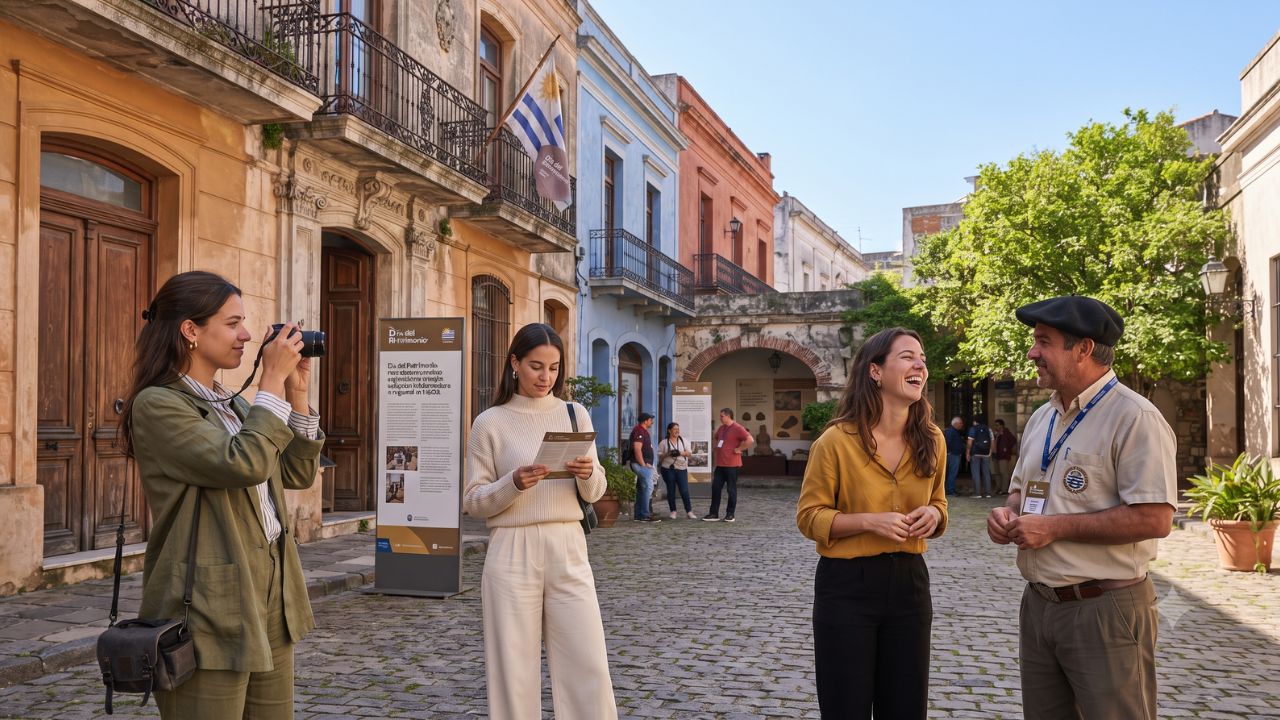
Every year for one single weekend, Uruguay unlocks over 560 government palaces, private art ateliers, historic estancias, and scientific research institutes across 263 localities with 100% free public admission, decentralizing cultural tourism far beyond the Atlantic beach resorts of Punta del Este. Celebrated on Saturday 3 and Sunday 4 October 2026 under the theme of Indigenous Roots, the 32nd national edition of Día del Patrimonio opened ceremonially in the northern gaucho heartland of Tacuarembó before concluding at Montevideo's marble-clad Palacio Legislativo.
Spatial Decentralization Across Seven Cultural Regions
Organized by the Ministry of Education and Culture, the 2026 Heritage Weekend organizes the nation into seven distinct cultural sectors: Montevideo, Canelones, Centre, Southwest, Littoral, North, and East. Rather than concentrating crowds exclusively in the capital, 253 participating localities sit outside the metropolitan core, allowing travelers to build multi-stop regional driving circuits without paying museum entry fees.
The nationwide celebration arrives as Uruguay's tourism economy demonstrates sustained growth. Official data from the Ministry of Tourism reveals that Uruguay welcomed 3.6 million international visitors in 2025 (an 8% increase over 2024), generating US$2.04 billion in foreign exchange receipts (up 16.6%) and supporting 122,000 national jobs. During the first half of 2026, total tourism revenue reached US$1.191 billion, with 1.2 million Argentine visitors contributing US$719 million and accounting for 66% of total inbound arrivals.
On 29 September 2026, the government complemented this cultural showcase by opening the 2026 Tourism Infrastructure Projects funding call, channeling capital into tangible and intangible heritage restoration, community-based rural tourism, and accessibility upgrades aligned with the National Tourism Plan 2030.
Indigenous Ancestry, UNESCO Architecture, and Gaucho Tradition
The 2026 thematic focus on Indigenous roots encourages travelers to explore archaeological, anthropological, and living traditions that predated and shaped modern Uruguayan identity:
- Northern Gaucho and Charrúa Heritage in Tacuarembó: The national opening at the Museo del Indio y del Gaucho in Tacuarembó showcases indigenous Charrúa pottery, stone tools, and 19th-century silver gaucho spurs (nazarenas), anchoring northern cattle-ranching folklore.
- Colonial Stone Bastions in Colonia del Sacramento: Across the Southwest region, the historic quarter of Colonia del Sacramento—inscribed on the UNESCO World Heritage list as detailed by the UNESCO World Heritage Centre—opens 17th-century Portuguese stone fortifications, tile-roofed colonial manors, and the historic Calle de los Suspiros.
- Modernist Brick Engineering along the Littoral: In Canelones and Atlántida, visitors explore the UNESCO-listed Church of Atlántida, engineered by Eladio Dieste with undulating reinforced ceramic brick vaults that require no internal pillars.
- Afro-Uruguayan Candombe Rhythms in Montevideo: Throughout the historic neighborhoods of Barrio Sur and Palermo, street comparsas practice traditional Candombe polyrhythmic drumming (chico, repique, and piano drums), an intangible cultural heritage practice originating from enslaved African communities along the Río de la Plata.
Uruguay Heritage Weekend Indicators and Tourism Statistics
| Indicator / Economic Metric | 2025–2026 Official Baseline | Travel Trade & Visitor Significance |
|---|---|---|
| Día del Patrimonio Edition | 32nd National Edition (3–4 Oct 2026) | Mature cultural institution with nationwide reach |
| Active Registered Activities | Over 560 Cultural Events & Openings | Broad thematic variety covering history & science |
| Geographic Distribution | 263 Localities Across 7 Regions | 253 localities located outside metropolitan Montevideo |
| Public Admission Fee | 100% Free Public Entry | Zero attraction admission overheads for travelers |
| 2025 Total Foreign Visitors | 3.6 Million Arrivals (+8.0% YoY) | Major visitor base from Argentina (2.4M) & Brazil (489K) |
| 2025 Tourism Receipts | US$2.04 Billion (+16.6% YoY) | Significant economic pillar supporting 122,000 jobs |
| H1 2026 Tourism Revenue | US$1.191 Billion Total Receipts | Argentine market generated US$719M (66% of arrivals) |
| Ceremonial Opening / Closing | Tacuarembó (Open) / Montevideo (Close) | Structural journey from interior gaucho hub to capital |
Visitor Insider Tips
- Planning Your Montevideo Open-Palace Circuit: Government ministries, embassies, and private banks open their doors exclusively on Saturday and Sunday. Queue early (by 09:30 AM) at the Palacio Legislativo, the Palacio Taranco (Museum of Decorative Arts) in the Ciudad Vieja, and the historic Club Uruguay on Plaza Constitución to avoid afternoon line delays.
- Navigating Regional Tannat Bodegas in Canelones: Combine heritage architectural stops with wine tastings in the Canelones wine region, just 35 minutes north of Montevideo. Family-run bodegas (such as Bodega Bouza or Viña Edén) host harvest cellar tours and tastings of Uruguay's flagship red grape, Tannat, paired with artisan cheeses.
- Exploring Tacuarembó via Overland Sleeper Buses: For deep cultural immersion, take an executive sleeper bus (coche cama) from Montevideo's Terminal Tres Cruces to Tacuarembó (approx 5.5 hours along Route 5). Stay at a traditional working cattle estancia to experience sheep-shearing demonstrations and authentic open-fire asado barbecues.
- Sunday Afternoon Candombe in Barrio Sur: When heritage venues close at 17:00 on Sunday, head to Calle Isla de Flores in Montevideo's Barrio Sur. As evening falls, neighborhood drumming troops light small street fires to warm the skin of their drums before marching through the streets in an electrifying community celebration.
Cultural and Environmental Context
Día del Patrimonio serves as a vital instrument for social cohesion and territorial decentralization. By actively promoting regional museums, municipal theaters, and community libraries across rural interior departments like Flores, Rivera, and Treinta y Tres, the program redistributes domestic travel spending to family-run restaurants, regional bakeries, and local transport cooperatives.
Environmentally, Uruguay's commitment to sustainability is reflected in its electrical grid, which generates over 95% of its electricity from renewable sources (wind, hydro, and solar). Sustainable agritourism routes along the Río Uruguay and surrounding pampas ecosystems emphasize the preservation of native wetlands (bañados) and natural grassland habitats supporting native rhea birds (ñandú) and capybaras (carpinchos).
FAQ: Experiencing Uruguay's Día del Patrimonio in 2026
What is Día del Patrimonio, and when does it take place?
Día del Patrimonio is Uruguay's nationwide heritage weekend, held annually in early October (3 and 4 October 2026), granting free public access to historic buildings, museums, and cultural events.
Do I need tickets or reservations for Heritage Weekend activities?
No advance tickets are required for the vast majority of venues; admission is free on a walk-in basis, though arriving early at popular palaces in Montevideo is recommended.
How do I travel between Montevideo and Colonia del Sacramento?
Direct express air-conditioned buses (such as COT or Turil) depart hourly from Montevideo's Terminal Tres Cruces, reaching Colonia del Sacramento in 2.5 hours along paved Route 1.
What was the official theme of the 2026 Heritage Weekend?
The 2026 edition was dedicated to Indigenous Roots (Raíces Indígenas), highlighting pre-Columbian archaeological heritage, anthropology, and living indigenous community perspectives across Uruguay.
Unlocking centuries of secret architectural courtyards and rural gaucho traditions, Uruguay's Heritage Weekend turns an entire nation into an open-air cultural sanctuary.
Related Travel Guides
- Montevideo Neighborhood Guide: Historic Ciudad Vieja, Barrio Sur, and Pocitos
- Colonia del Sacramento Walking Tour: Portuguese Bastions and Cobblestone Alleys
- Uruguay Wine Route: Tasting Bold Tannat Across Canelones and Maldonado
- Tacuarembó and the Gaucho Heartland: Estancia Stays and Northern Culture
Disclaimer
This article is for informational and educational purposes only. It does not constitute legal, financial, or professional advice. While we strive to provide accurate and up-to-date information, travel policies, regulations, and conditions change rapidly. Always verify information with official sources before making travel decisions. Nomad Lawyer makes no representations about the accuracy, reliability, completeness, or suitability of the information provided. Readers should consult qualified professionals for advice specific to their circumstances. The views expressed in this article are those of the author and do not necessarily reflect the views of Nomad Lawyer.
Raushan Kumar
Founder & Lead Developer
Full-stack developer with 11+ years of experience and a passionate traveller. Raushan built Nomad Lawyer from the ground up with a vision to create the best travel and law experience on the web.
Learn more about our team →