
United States to Face Travel Shutdown as Massive Snowstorm Threatens 18 Inches in Warning Zones
A powerful winter storm is brewing across the United States, threatening to unleash 18 inches of snow and bring movement to a standstill. Weather authorities warn that ground and air mobility could become virtually impossible.

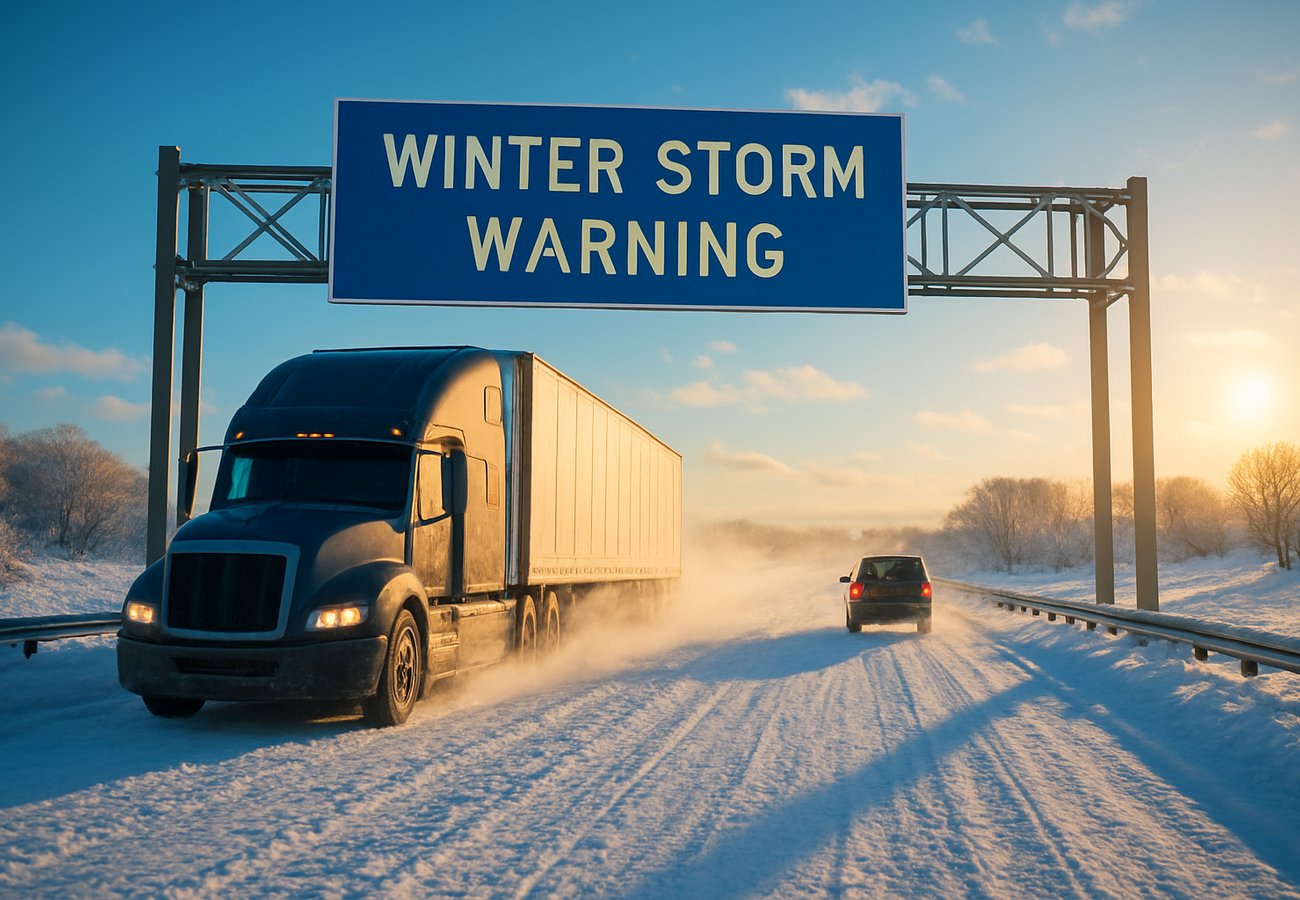
Image generated by AI
United States to Face Travel Shutdown as Massive Snowstorm Threatens 18 Inches in Warning Zones
With Near-Zero Visibility and Frozen Runways Imminent, Weather Authorities Are Warning That Air and Ground Movement May Yield to 'Impossible' Conditions
A rapidly intensifying winter super-storm is converging across the central and eastern United States, threatening to paralyze the domestic transportation network and unleash cascading global disruptions. Meteorologists tracking the system are forecasting snow accumulations of up to 18 inches — with isolated pockets expecting even heavier dumps. The severe combination of rapidly accumulating powder, freezing rain, and high-velocity winds has prompted authorities to issue stark "dangerous travel" alerts. In specific deeply impacted warning zones, officials are explicitly warning that both road and air movement are likely to become virtually impossible.
Quick Summary
- The Threat: A massive, highly disruptive winter storm system pushing across the central and eastern United States.
- Snow Accumulation: Forecast models predict between 6 to 18 inches of snow, compounded by freezing rain and high winds.
- Travel Impact: Authorities are warning of "impossible" movement conditions within severe warning zones due to whiteout visibility and glazed roadways.
- Aviation Gridlock: Major U.S. hubs are bracing for mass flight cancellations, extensive de-icing delays, and global cascading connection failures.
- The Ripple Effect: International passengers traveling from Europe, Canada, and Asia face massive reroutes and extended delays as the U.S. aviation network slows down.
The Breakdown of the Mobility Network
This is not a standard seasonal flurry. The sheer scale and rapid atmospheric pressure drop associated with this system are capable of crippling regional infrastructure for days.
When deep snow is combined with freezing rain and high winds, "whiteout conditions" emerge. In a whiteout, visual orientation drops to literal zero. For travelers currently in transit, the storm promises to systematically dismantle every layer of the mobility network:
- Road and Highway Travel: Major interstates across the Midwest and Northeast are facing high probabilities of outright closure. Ice formation and rapidly drifting snow will quickly strand commuters and long-haul truckers alike. Ground transport will transition from dangerous to impossible very quickly in the heaviest warning bands.
- Aviation Gridlock: Airports in the path of the storm are heavily preparing for operational failure. Even if a runway is temporarily cleared, extreme crosswinds and the logistical nightmare of constantly de-icing massive aircraft will force airlines to preemptively cancel thousands of flights to avoid trapping passengers on frozen tarmacs.
- Rail and Bus Suspension: Regional overland public transport frequently suspends operations entirely during these events to protect the safety of their crews, often leaving ticketed passengers stranded mid-journey.
The Global Ripple Effect
While the snowfall is physically limited to North America, the collateral damage to travel is undeniably global.
Because the United States hosts some of the busiest mega-hubs in global aviation (including Chicago O'Hare, JFK, and Newark), a domestic shutdown legally forces international carriers to react. Flights originating from major hubs in London, Frankfurt, and Dubai will face severe delays as their destination airports in the U.S. struggle to manage inbound capacity.
For Indian and Asian travelers embarking on ultra-long-haul transpacific or transatlantic flights to the U.S. East Coast, the storm implies massive logistical headaches, including extended layovers in secondary countries, unexpectedly re-routed itineraries, and missed onward connections upon arrival.
Tourism and the Supply Chain Take a Massive Hit
Ironically, while winter ski resorts rely entirely on deep snowfall, extreme storms of this magnitude offer no initial financial benefit. The paradox of the system is that while the slopes may receive incredible powder, the tourists physically cannot reach the resorts due to shuttered highways and cancelled regional flights.
On a broader economic scale, the cargo sector remains highly vulnerable. Time-sensitive supply chains will fracture as cargo planes are grounded and major trucking arteries are buried, impacting the movement of everything from e-commerce logistics to perishable goods.
Action Plan for Impacted Travelers
For those actively traveling or scheduled to fly within the next 48 hours, agility is your only defense against massive logistical failure:
- Act Quickly on Airline Waivers: Major U.S. carriers generally issue free rebooking waivers ahead of massive storms. Move your flight before the cancellation is announced to secure the last available seats.
- Download Dedicated Apps: Rely entirely on your airline's native mobile app for push notifications regarding gate changes and live delays. Do not rely heavily on airport display board updates.
- Emergency Preparation: If you are driving, do not attempt to bypass road closures. If you are flying, pack emergency essentials — including prescription medication, physical chargers, and heavy snacks — directly into your personal under-seat item in the event you are stranded at an airport overnight.
As extreme weather events become increasingly frequent, the modern traveler must adapt to the reality that humanity's advanced mobility network remains fundamentally fragile in the face of nature.
FAQ: The 2026 U.S. Winter Storm Disruptions
Q: How much snow is expected to fall? A: Forecasts predict between 6 to 18 inches across heavily impacted zones, with isolated areas capable of seeing even deeper accumulation.
Q: What does an "impossible travel" warning mean? A: It indicates that localized conditions — combining deep snow, ice, and high winds to create "whiteouts" — will make driving and flying physically impossible or extraordinarily deadly. Travelers should not attempt to move through these specific zones.
Q: Will my flight be cancelled? A: If you are flying into or out of the central or eastern United States, massive cancellations and extensive de-icing delays are highly likely. Check directly with your airline.
Q: Does this affect travelers coming from outside the US? A: Yes. International flights arriving from Europe, Canada, and Asia will face cascading delays, unexpected reroutes, and missed connecting flights if their target U.S. hubs are shut down.
Disclaimer
This article is for informational and educational purposes only. It does not constitute legal, financial, or professional advice. While we strive to provide accurate and up-to-date information, travel policies, regulations, and conditions change rapidly. Always verify information with official sources before making travel decisions. Nomad Lawyer makes no representations about the accuracy, reliability, completeness, or suitability of the information provided. Readers should consult qualified professionals for advice specific to their circumstances. The views expressed in this article are those of the author and do not necessarily reflect the views of Nomad Lawyer.
Raushan Kumar
Founder & Lead Developer
Full-stack developer with 11+ years of experience and a passionate traveller. Raushan built Nomad Lawyer from the ground up with a vision to create the best travel and law experience on the web.
Learn more about our team →