
United Kingdom and Europe Face Severe Water Shortages in 2026 Amid Heatwaves and Prolonged Rainfall Deficits
The United Kingdom, Spain, Italy, and Greece are grappling with a critical water crisis in 2026, as repeated heatwaves and rainfall deficits trigger strict restrictions and disrupt tourism.

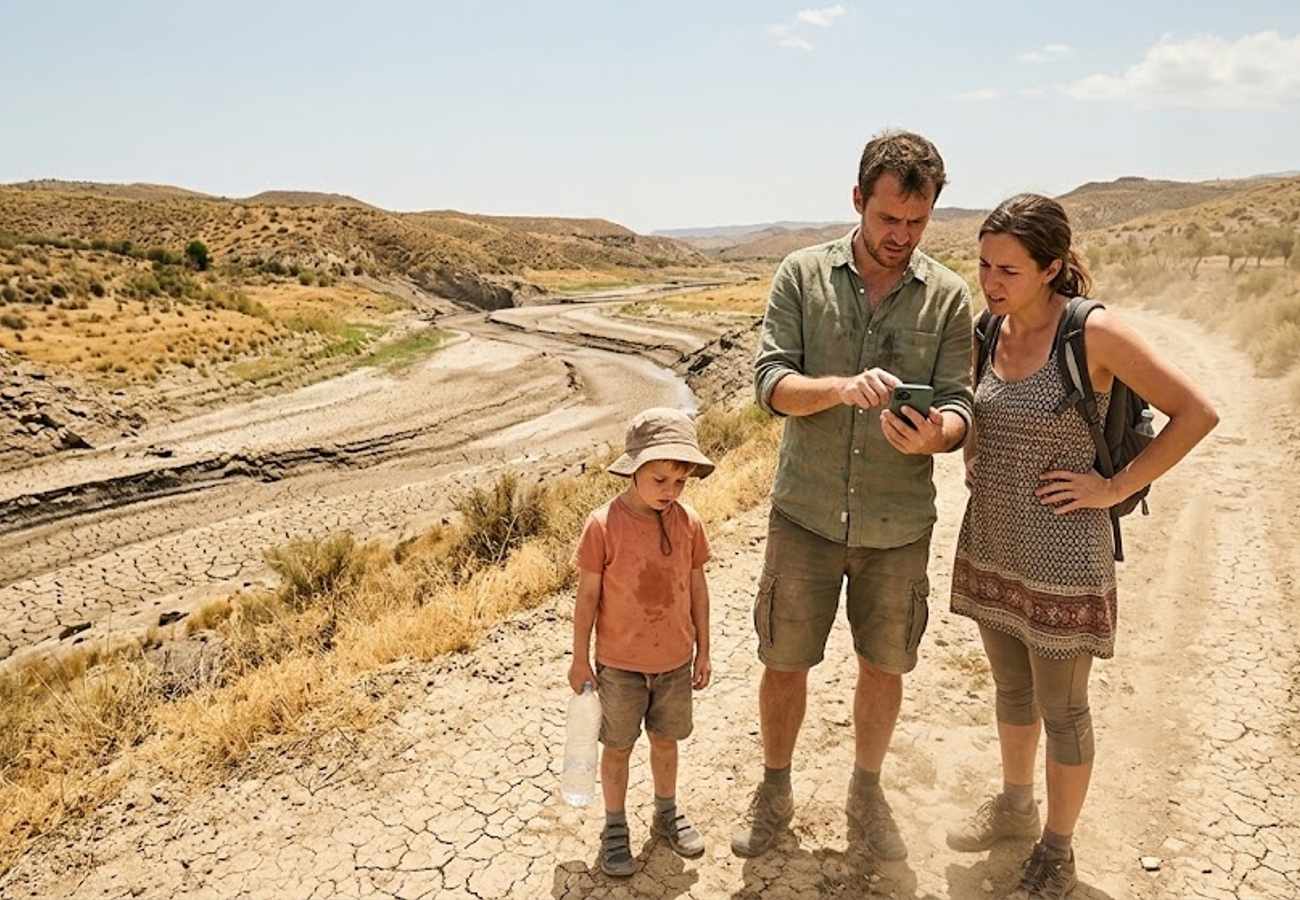
Image generated by AI
[London, July 21, 2026] — A severe water crisis is currently sweeping across the United Kingdom, Spain, Italy, Greece, and Romania, as a combination of relentless heatwaves and a prolonged deficit in rainfall creates unprecedented challenges for the 2026 travel season. This emerging climate emergency is fundamentally altering the operational landscape for popular holiday destinations, with shrinking rivers and depleted reservoirs forcing local governments to implement stringent water conservation measures.
The current situation has evolved beyond a mere environmental concern, transforming into a significant hurdle for the global tourism industry. Millions of international travelers who frequent European beaches, historic urban centers, and Mediterranean islands are now encountering a landscape where water security is no longer guaranteed. As temperatures climb and precipitation remains scarce, the pressure on local municipal supplies has reached a critical threshold.
Tourism Infrastructure Adapts to Water Scarcity in Europe
From the luxury resorts of the Mediterranean to the rural heartlands of Western Europe, the tourism sector is being forced to pivot. Hotels, catering establishments, and tour operators are currently overhaulng their water consumption strategies to avoid total depletion of local resources. Industry reports indicate that local authorities are increasingly introducing mandatory conservation protocols to ensure that essential drinking water remains available for residents and visitors alike.
Several converging factors are driving this instability. The increased frequency of extreme weather events, fueled by global climate change, has led to higher evaporation rates that strip moisture from the soil and reservoirs. When coupled with a significant drop in natural rainfall, the recovery of water tables has become nearly impossible. Furthermore, the surge in visitor numbers during the peak summer months adds an unsustainable layer of demand on already fragile systems.
Global Water Stress Hotspots and Severity Levels in 2026
The crisis is not contained within Europe. A broader analysis reveals that water stress is a global phenomenon in 2026, affecting diverse geographies from the Middle East to South America. While some regions face "High" severity, others have reached "Critical" levels, where water rationing and humanitarian crises are becoming commonplace.
The following data outlines the current state of water security across the most affected nations:
| Country / Region | Main Water Sources Affected | Current Low Water Situation in 2026 | Major Causes | Key Impacts | Severity Level |
|---|---|---|---|---|---|
| United Kingdom (England) | Reservoirs, rivers, groundwater | Southern England facing prolonged dry conditions; reservoir storage below normal; rivers running low. | Record heat, extremely low rainfall, climate change, rising household demand | Agricultural losses, wildfire risk, water use restrictions, pressure on cities | High |
| Romania | Danube River, irrigation systems | Danube reached lowest July level since 1996; river flows significantly below seasonal averages. | Heatwaves, drought, reduced rainfall | Grain transport disruption, irrigation restrictions, energy concerns | High |
| Spain | Reservoirs, groundwater, Mediterranean basins | Severe water pressure continues, particularly in agricultural regions of Southern Spain. | Long drought cycles, high irrigation demand, tourism pressure | Crop losses, restrictions, groundwater decline | High |
| France | Rivers, reservoirs, groundwater | Increasing drought risks across several regions due to repeated heatwaves. | Extreme heat, extreme instability | Agriculture stress, wildfire risks, water restrictions | Medium–High |
| Italy | Po River, northern reservoirs, lakes | Northern Italy remains vulnerable after repeated drought years affecting major waterways. | Reduced snowpack, warmer winters, lower rainfall | Farming problems, hydroelectric pressure, navigation issues | High |
| Greece | Islands, reservoirs, groundwater | Mediterranean drought conditions continuing to affect water availability. | Heatwaves, tourism demand, declining rainfall | Island water shortages, agricultural pressure | High |
| Morocco | Dams, groundwater, agricultural reservoirs | Multi-year drought has reduced dam storage and stressed farming areas. | Climate change, rainfall decline, agricultural demand | Crop reduction, rural water shortages | High |
| Tunisia | Reservoirs, groundwater | Persistent drought has reduced freshwater availability. | Low rainfall, overuse of groundwater | Drinking water pressure, agriculture decline | High |
| Egypt | Nile River system, groundwater | Increasing water stress due to heavy dependence on the Nile. | Population growth, climate change, upstream water pressures | Agriculture risks, urban demand challenges | High |
| Jordan | Groundwater, dams | Severe shortages continue in one of the world's most water-scarce nations. | Extremely low rainfall, population pressure, groundwater depletion | Water rationing, dependence on imports | Critical |
| Iran | Reservoirs, groundwater, rivers | Severe drought conditions affecting major basins. | Climate change, groundwater overuse, inefficient irrigation | Agricultural decline, migration pressure | Critical |
| Iraq | Tigris-Euphrates Rivers, wetlands | River levels under pressure from drought and reduced inflows. | Climate change, upstream water management, high temperatures | Agriculture losses, ecosystem damage | Critical |
| India | Groundwater, rivers, reservoirs | Declining groundwater and seasonal shortages in several regions. | Over-extraction, heatwaves, uneven rainfall | Farming stress, urban shortages | High |
| Pakistan | Indus River, glaciers, groundwater | Vulnerable water availability due to glacier changes and demand growth. | Climate change, population growth, irrigation dependence | Food security risks, rural shortages | High |
| China | Northern rivers, groundwater, reservoirs | Long-term water stress in Northern China despite national resources. | Industrial demand, agriculture, uneven rainfall | Urban planning challenges, groundwater decline | Medium–High |
| Afghanistan | Rivers, groundwater | Drought continuing to affect rural communities. | Climate variability, weak infrastructure | Food insecurity, displacement | Critical |
| Somalia | Groundwater, seasonal rivers | Severe drought conditions affecting water access. | Failed rains, high temperatures | Humanitarian crisis, livestock losses | Critical |
| Kenya | Rivers, groundwater, reservoirs | Below-normal soil moisture and rainfall deficits in Eastern Africa. | Drought cycles, climate change | Livestock losses, farming challenges | High |
| Ethiopia | Rivers, groundwater | Some regions continue experiencing drought stress. | Rainfall variability, warming temperatures | Food and water insecurity | High |
| Angola | Rivers, agricultural land water sources | Worsening dryness in western and central regions in 2026. | Rainfall deficits, climate variability | Crop losses, rural hardship | High |
| South Africa | Dams, rivers, groundwater | Continued water shortages in some provinces. | Drought cycles, infrastructure challenges | Urban restrictions, agricultural impacts | Medium–High |
| Chile | Central rivers, reservoirs, groundwater | Long-term drought continues affecting central regions. | Mega-drought, climate change, agricultural demand | Farming losses, urban water concerns | High |
| Brazil | Amazon tributaries, southern rivers, reservoirs | Declining water security in several areas. | Climate variability, deforestation, changing rainfall | Hydropower risks, agriculture impacts | Medium–High |
| Mexico | Reservoirs, groundwater | Northern and central regions remain highly vulnerable. | Overuse, heatwaves, rainfall decline | City shortages, farming impacts | High |
| Argentina | Paraná River and wetlands | Low river levels affecting shipping and economic activity. | Drought, changing rainfall patterns | Grain transport problems, energy impacts | High |
Drivers of the Global Freshwater Decline
The global water crisis has intensified throughout 2026, with a marked decline in river flows and the depletion of groundwater reserves. Notably, this is no longer a problem exclusive to arid or desert climates. European nations, which have historically benefited from stable and predictable water systems, are now facing severe pressure.
According to assessments from United Nations Water, the availability of freshwater is being eroded by a combination of climate change, rapid population growth, and unsustainable consumption patterns. There is an escalating competition for dwindling resources between the agricultural sector, industrial complexes, and expanding urban centers. As temperatures rise, the natural cycle of water replenishment is broken, leaving reservoirs unable to recover before the next heatwave hits.
Why This Matters: The Shift in Global Travel Dynamics
The current water crisis represents a fundamental shift in how the travel industry must operate. For decades, tourism in the Mediterranean and Southern Europe was predicated on the assumption of abundance—lush resorts, sprawling swimming pools, and manicured landscapes. The 2026 data suggests that this model is no longer viable.
The "Information Gain" here is the realization that water security is now a primary risk factor for destination management. When a country like the UK introduces hosepipe bans affecting millions, or Romania sees the Danube hit its lowest July level since 1996, it signals a systemic failure that impacts more than just the environment. It affects the supply chain of food (agricultural losses), the cost of energy (hydroelectric pressure), and the viability of transport (shipping disruptions on the Danube and Paraná rivers).
For the traveler, this means that destination choice will increasingly be dictated by "climate resilience." We are moving toward a future where seasonal restrictions may be mandated not just for crowd control, but for resource survival. Responsible travel is transitioning from a moral choice to a logistical necessity.
The era of unlimited water in European tourism has ended, replaced by a precarious balance of conservation and survival.
Related Travel Guides
Disclaimer
This article is for informational and educational purposes only. It does not constitute legal, financial, or professional advice. While we strive to provide accurate and up-to-date information, travel policies, regulations, and conditions change rapidly. Always verify information with official sources before making travel decisions. Nomad Lawyer makes no representations about the accuracy, reliability, completeness, or suitability of the information provided. Readers should consult qualified professionals for advice specific to their circumstances. The views expressed in this article are those of the author and do not necessarily reflect the views of Nomad Lawyer.
Kunal K Choudhary
Co-Founder & Contributor
A passionate traveller and tech enthusiast. Kunal contributes to the vision and growth of Nomad Lawyer, bringing fresh perspectives and driving the community forward.
Learn more about our team →