
United Airlines Expands Denver Flight Training Center with 114-Acre Campus Expansion in 2026
United Airlines is scaling its Denver Flight Training Center, securing 114 acres for a new corporate campus to meet surging pilot demand and fleet growth.

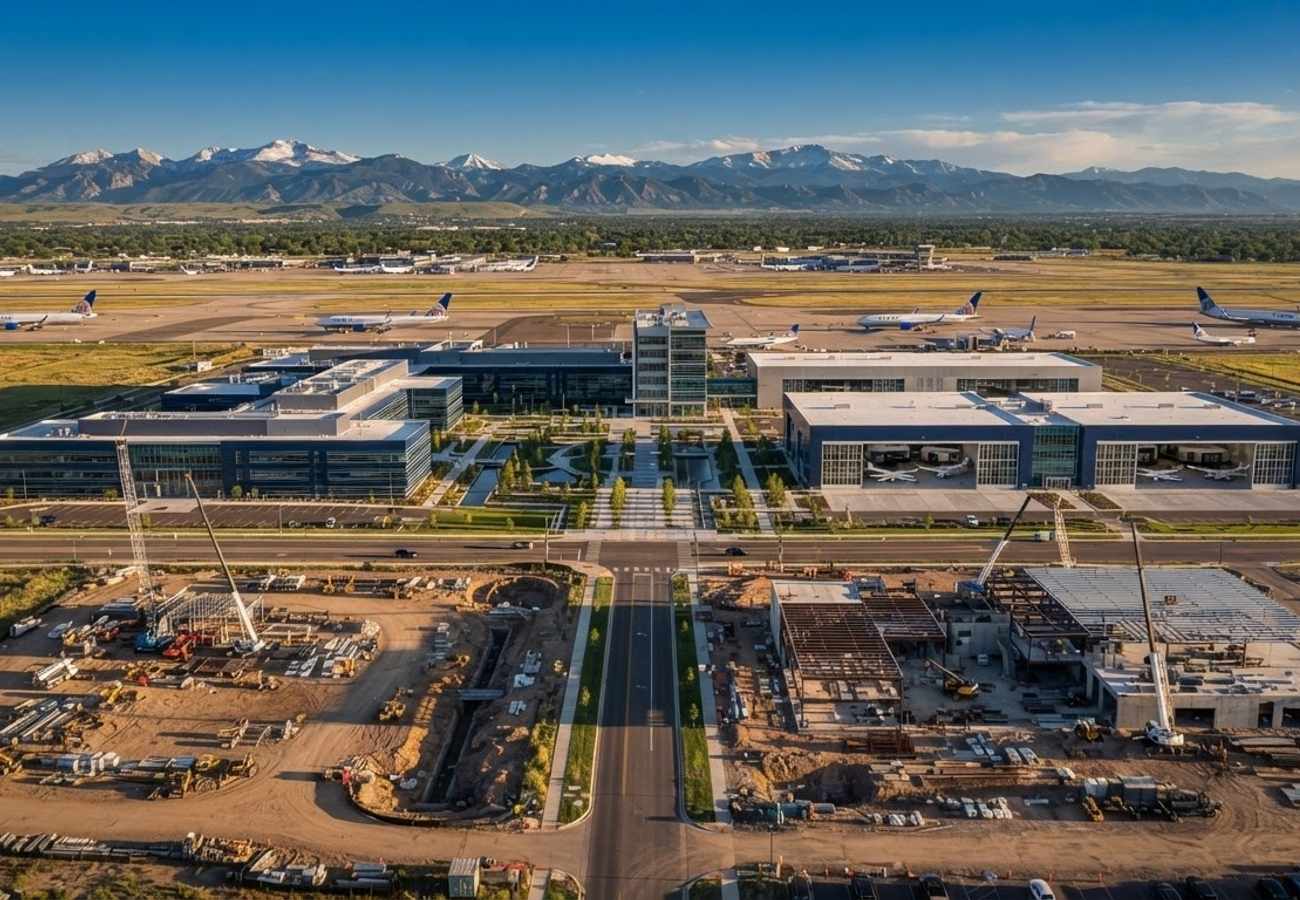
Image generated by AI
United Airlines is aggressively scaling its Denver Flight Training Center to counter global pilot shortages and the logistical pressures of a rapidly expanding mainline fleet.
The carrier is shifting from simple facility maintenance to a massive infrastructure play. By increasing simulator capacity and expanding its physical footprint, United aims to secure a competitive advantage in pilot throughput and certification speed.
Scaling the World's Largest Training Hub
The existing Denver Flight Training Center, located in the Central Park area northeast of downtown Denver, has evolved into one of the largest dedicated aviation training hubs globally. The complex currently encompasses:
- Physical Footprint: Eight buildings totaling nearly 700,000 square feet.
- Simulator Capacity: Over 80 devices on-site, including more than 50 full-motion simulators.
- Operational Tempo: Full-motion bays operating 24/7 to handle initial qualifications and recurrent training.
- Multidisciplinary Scope: Integrated technical classrooms, emergency procedure mockups, and cabin crew training facilities.
This scale is a direct response to United's current fleet size, which now exceeds 1,000 mainline aircraft. The facility allows pilots to transition between narrowbody domestic jets and widebody international aircraft within a single campus.
Strategic Rezoning and Future Campus Development
In June 2026, the Denver City Council approved a critical rezoning measure that clears the path for a second, larger phase of expansion.
The city approved a new planned unit development district covering roughly 114 acres near East 64th Avenue and Yampa Street. This site, situated in the Denver International Airport neighborhood, is designated for a new flight training facility and corporate campus.
Unlike the Quebec Street campus, this new development is designed to accommodate thousands of employees and integrate the latest digital training tools and aircraft technology. This move cements Denver as a primary strategic operations hub for the airline, leveraging the city's role as a massive domestic connecting point.
The Integrated Pilot Pipeline
The Denver hub serves as the final stage of a vertically integrated talent pipeline. This system begins with the United Aviate Academy in Phoenix, which handles ab initio training.
Once graduates move through regional partners and into mainline roles, the Denver center provides the necessary type ratings and recurrent training. By controlling the process from the first flight hour to the full-motion simulator, United reduces its reliance on third-party training providers and mitigates the risks associated with industry-wide pilot supply constraints.
Infrastructure and Economic Impact
The expansion has significant implications for the local Denver economy and the airline's operational overhead.
Current and Projected Workforce Impact
| Metric | Current State (Quebec St) | Future State (New Campus) |
|---|---|---|
| Employee Count | ~1,500 staff | Several thousand additional employees |
| Facility Size | 700,000 sq ft | 114-acre expansion site |
| Simulator Count | 80+ devices | Expanded capacity (TBD) |
Beyond direct employment, the constant rotation of visiting pilots and trainees drives sustained demand for local lodging, transportation, and food services in the airport corridor.
Why This Matters: Industry Analysis
From a logistical perspective, United is not just building classrooms; it is building a "throughput engine." In the current aviation climate, the bottleneck for growth is rarely the aircraft—it is the available, certified cockpit crew.
By investing in 114 acres of dedicated land and 80+ simulators, United is effectively "de-risking" its growth strategy. While other carriers struggle with simulator availability and long wait times for type ratings, United is creating an internal ecosystem that can accelerate the pipeline from student to captain.
For the broader industry, this signals a move toward "mega-campuses" where training, corporate administration, and operations are co-located. This reduces the friction of pilot rotations and allows for faster implementation of new safety procedures across a massive workforce.
Forward Outlook
Expect United to begin breaking ground on the Yampa Street site shortly. The focus will likely shift toward integrating AI-driven training tools and VR-enhanced procedural training into the new buildings. As the airline integrates its new-generation jet orders, the Denver hub will be the primary site for transitioning the workforce to these new platforms.
The race for pilot capacity has moved from the recruiting office to the construction site.
Related Travel Guides
Disclaimer
This article is for informational and educational purposes only. It does not constitute legal, financial, or professional advice. While we strive to provide accurate and up-to-date information, travel policies, regulations, and conditions change rapidly. Always verify information with official sources before making travel decisions. Nomad Lawyer makes no representations about the accuracy, reliability, completeness, or suitability of the information provided. Readers should consult qualified professionals for advice specific to their circumstances. The views expressed in this article are those of the author and do not necessarily reflect the views of Nomad Lawyer.
Kunal K Choudhary
Co-Founder & Contributor
A passionate traveller and tech enthusiast. Kunal contributes to the vision and growth of Nomad Lawyer, bringing fresh perspectives and driving the community forward.
Learn more about our team →