
United Arab Emirates Aligns With Regional Tourism Growth As The Wadi Brings Luxury Living And Waterfront Travel To Yas Island
United Arab Emirates Aligns With Regional Tourism Growth As The Wadi Brings Luxury Living And Waterfront Travel To Yas Island

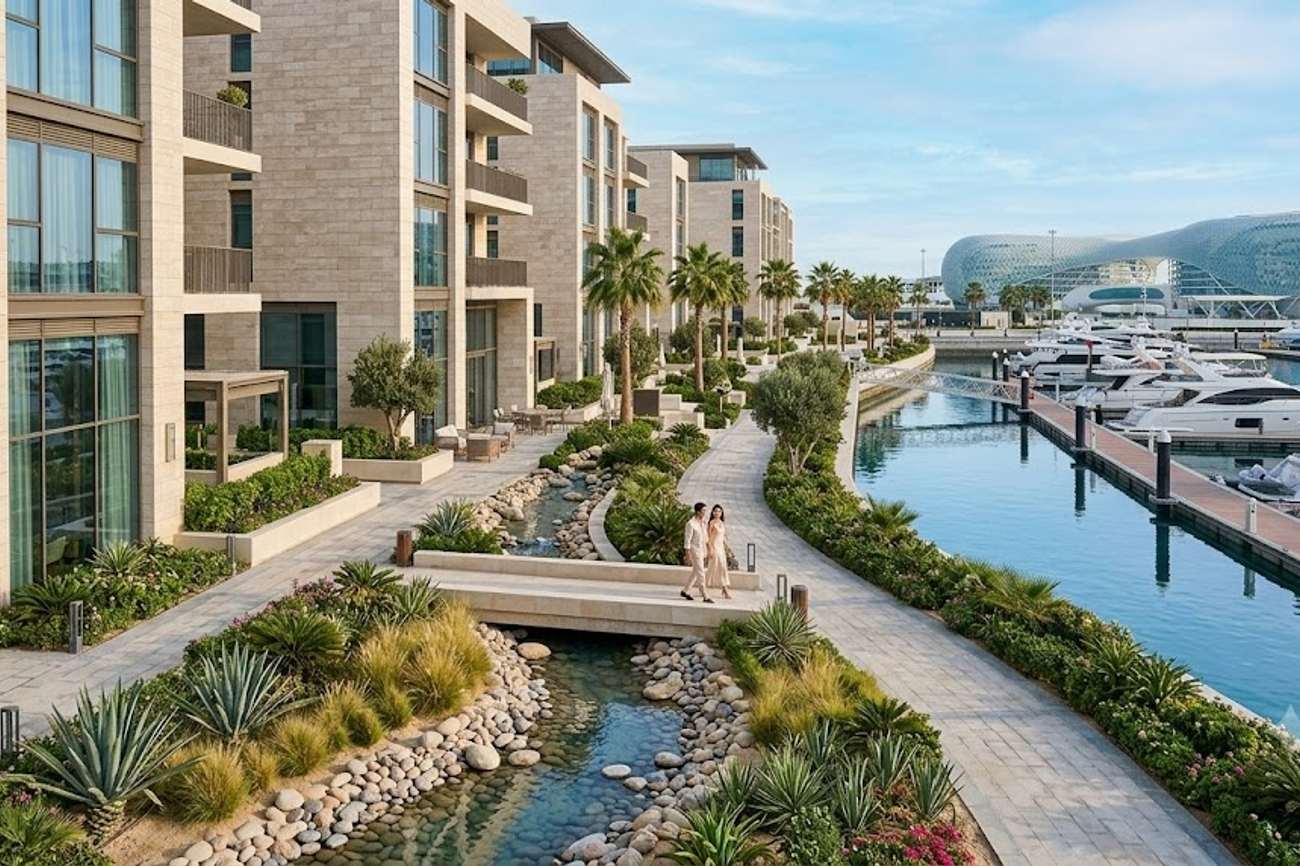
Image generated by AI
Abu Dhabi's hospitality sector is pivoting from isolated luxury resorts to integrated "lifestyle hubs," with the launch of The Wadi signaling a Dh6 billion commitment to mixed-use infrastructure on Yas Island. This shift mirrors a broader regional strategy to increase average tourist length-of-stay by blending residential, commercial, and leisure assets into single, walkable ecosystems. While traditional tourism models focused on the hotel-to-attraction commute, the current trajectory in the UAE emphasizes "destination living," where the accommodation is an extension of the attraction itself.
The Yas Island Expansion in Numbers
The Wadi project represents a massive capital injection into the Yas Canal corridor, occupying approximately 140,700 square metres of prime real estate. The Dh6 billion investment by Cosmo Developments—a joint venture between Flag Holding Group and Reportage Group—is not merely a residential play but a strategic expansion of the emirate's tourism capacity.
The scale of the development is defined by its density and diversity of offerings. The master plan specifies 3,950 residential units, ranging from studios to three-bedroom apartments. By integrating a planned hotel within this residential cluster, the developers are creating a hybrid model that caters to both long-term residents and short-term visitors. This density is supported by a comprehensive amenity suite, including tennis clubs, gyms, spa facilities, and dedicated children’s areas, designed to keep visitors within the ecosystem for longer durations.
From a logistics standpoint, the project leverages its proximity to critical transport hubs. The development is positioned five minutes by car from Zayed International Airport, which serves as the primary gateway for millions of international arrivals. Its integration into the Yas Island leisure circuit is further cemented by its proximity to Ferrari World Yas Island (nine minutes) and other Yas Island attractions (11 minutes), while remaining within a 23-minute drive of central Abu Dhabi.
Comparative Urban Tourism Benchmarks
The shift toward nature-led, mixed-use developments like The Wadi reflects a global trend in urban planning where "green corridors" are used to drive real estate value and tourist appeal. When compared to historical developments in the region, which often prioritized high-rise luxury over pedestrian-centric "valleys," The Wadi introduces a nature-led concept focused on the movement of water and native planting, including ghaf and palm trees.
This approach aligns with data from the World Travel & Tourism Council (WTTC), which indicates that travelers are increasingly seeking sustainable, walkable environments over traditional car-dependent resort layouts. The inclusion of a yacht marina and waterfront pedestrian, running, and cycling paths signals a move toward "slow tourism," where the journey between the hotel and the attraction is part of the value proposition.
The following table analyzes the shift in Abu Dhabi's development strategy as exemplified by the transition from traditional resort models to integrated hubs like The Wadi.
| Metric | Traditional Resort Model | Integrated Hub (The Wadi Model) |
|---|---|---|
| Primary Focus | Short-term hospitality | Mixed-use (Residential + Hospitality + Commercial) |
| Spatial Design | Enclosed property boundaries | Open nature-led "valleys" and pedestrian paths |
| Connectivity | Shuttle-based transit | Walkable waterfronts and cycling routes |
| Investment Scope | Single-asset hotel investment | Multi-billion Dh (Dh6 billion) ecosystem |
| Visitor Profile | Transient tourists | Hybrid: Residents, Investors, and Tourists |
| Integration | Adjacent to attractions | Embedded within the attraction corridor |
What This Means for Travelers
For the individual traveler, the emergence of integrated hubs like The Wadi changes the logic of booking and itinerary planning in Abu Dhabi. The transition from isolated hotels to mixed-use communities means that the "neighborhood" becomes the attraction.
If you are planning a visit to Yas Island in the coming years, the availability of these hybrid residential-hospitality units may offer more flexible stay options than traditional hotels. The integration of 3,950 units suggests a potential increase in short-term rental inventory (such as Airbnb or corporate apartments) that provides more space—such as two- and three-bedroom configurations—than a standard hotel room.
Furthermore, the focus on walkability and waterfront access means that travelers can reduce their reliance on taxis and rental cars. With the development's proximity to Zayed International Airport (five minutes), those with short layovers or business trips can now access high-end leisure facilities without venturing into the congested city center. Travelers should prioritize booking accommodations within these new "lifestyle hubs" if they seek a blend of wellness (spas, gyms) and entertainment (Ferrari World) without the friction of constant transit.
Forward Projection: The Rise of the "Tourism Village"
Based on current investment trajectories and data from IATA regarding passenger growth in the Gulf region, the UAE is moving toward a "Tourism Village" model. The Wadi is a blueprint for this evolution, where the boundaries between where a tourist sleeps, shops, and explores are completely blurred.
We can project that future developments in Abu Dhabi will move further away from the "hotel block" mentality and toward "ecosystem planning." The inclusion of a yacht marina and commercial spaces within a residential framework suggests that the next phase of growth will be driven by high-net-worth individuals who "base" themselves in the UAE for months at a time, rather than days.
As more of these mixed-use projects come online, we expect to see a shift in market share from traditional downtown hotels to perimeter hubs. The data suggests that as long as the proximity to the airport (five minutes) and major attractions remains a core feature, the "center of gravity" for Abu Dhabi tourism will continue to shift toward Yas Island. The success of The Wadi will likely trigger a wave of similar nature-led, waterfront developments along other canals and coastlines in the emirate, further decentralizing the tourist experience.
FAQ: Abu Dhabi Urban Tourism 2025
Will the increase in residential units like those in The Wadi drive up hotel prices? Not necessarily. The addition of 3,950 units and a new hotel increases the overall supply of accommodation. This diversification typically stabilizes prices by providing more options across different price points, from luxury hotel suites to serviced apartments.
Is now a good time to invest in or book stays in the Yas Island area? Yes. The Dh6 billion investment indicates long-term institutional confidence in the region. As infrastructure like the yacht marina and pedestrian paths are completed, the intrinsic value and attractiveness of the area for both short-term visitors and long-term investors will likely increase.
Which transport options will be most effective for visiting The Wadi? Given its location five minutes from Zayed International Airport and its focus on walkability, the area is designed for a "land-and-expand" approach. Once on Yas Island, the planned cycling and pedestrian paths will be the primary way to navigate the internal hub.
The era of the standalone hotel is ending; the era of the integrated destination ecosystem has arrived.
#AbuDhabiRealEstate2025 #YasIslandExpansion #CosmoDevelopments #UAEHospitalityGrowth #MixedUseTourismData #ZayedInternationalAirportConnectivity
Related Travel Guides
- Italy Joins France and Spain as Europe Autumn Travel Grows Through Wine Harvests and Cultural Festivals: All You Need to Know
- Scotland Highlights Coorie Travel As Highland Escapes Blend Wild Adventures With Cosy Retreats
- New Zealand Unites With Philippines and Many More as Global Destinations Gain From Rising Chinese Travel Demand and New Holiday Routes
Disclaimer
This article is for informational and educational purposes only. It does not constitute legal, financial, or professional advice. While we strive to provide accurate and up-to-date information, travel policies, regulations, and conditions change rapidly. Always verify information with official sources before making travel decisions. Nomad Lawyer makes no representations about the accuracy, reliability, completeness, or suitability of the information provided. Readers should consult qualified professionals for advice specific to their circumstances. The views expressed in this article are those of the author and do not necessarily reflect the views of Nomad Lawyer.
Preeti Gunjan
Contributor & Community Manager
A passionate traveller and community builder. Preeti helps grow the Nomad Lawyer community, fostering engagement and bringing the reader experience to life.
Learn more about our team →