
United Airlines Capitalizes on Spirit Airlines Collapse, Capturing Over 103,000 New Bookings and 17,000 Loyalty Recruits
Breaking airline news and aviation industry updates for 2026.

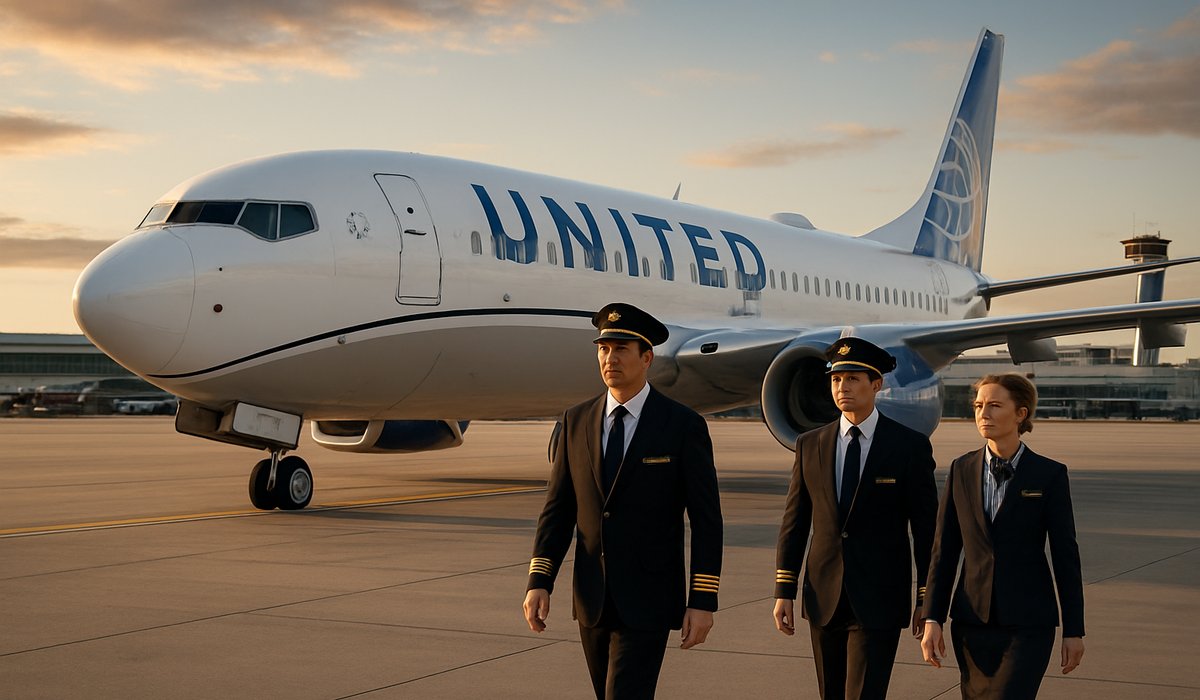
Image generated by AI
United Airlines Capitalizes on Spirit Airlines Collapse, Capturing Over 103,000 New Bookings and 17,000 Loyalty Recruits
The demise of a major ultra-low-cost competitor triggers immediate market consolidation, signaling a major shift in North American aviation dynamics
Market Disruption Creates Unexpected Windfall for Major Carriers
United Airlines has emerged as a significant beneficiary following Spirit Airlines' sudden cessation of operations, attracting more than 103,000 new flight bookings and recruiting 17,000 fresh members into its loyalty program within days of the budget carrier's shutdown. The abrupt collapse—which left hundreds of thousands of travelers stranded and displaced thousands of industry workers—has fundamentally altered competitive dynamics across the US aviation sector, potentially reshaping pricing structures and route strategies for years to come.
The disappearance of Spirit, once regarded as the largest ultra-low-cost carrier operating across North America, represents a watershed moment for the industry. The airline's extensive network of domestic and regional routes had long served as a competitive pressure point, forcing major carriers to maintain competitive pricing on key corridors. With that constraint suddenly removed, the aviation landscape faces unprecedented consolidation.
Industry Ramifications Beyond United's Gains
Spirit's exit eliminates a crucial pricing alternative that had kept fares suppressed on numerous routes. Analysts warn this could trigger broader fare increases across the industry, as surviving carriers face reduced competitive pressure to maintain aggressive pricing strategies. The timing also coincides with ongoing volatility in jet fuel prices and persistent staffing challenges that continue to strain the aviation sector.
The consolidation benefit extends beyond United. Other major carriers including American Airlines, Delta Air Lines, and Southwest Airlines have similarly reported increased traffic from displaced Spirit passengers seeking alternative routing options. However, United's aggressive loyalty program recruitment suggests a particularly strategic approach to converting transient demand into permanent customer relationships.
Broader Industry Context
The ultra-low-cost carrier (ULCC) segment—historically characterized by minimal amenities, strict baggage fees, and aggressive ancillary revenue models—once provided essential competition preventing the "Big Three" carriers from raising fares unchecked. Spirit's presence forced industry-wide discussions about airline fees, baggage charges, and transparent pricing structures.
Industry observers caution that reduced competition could gradually reverse these consumer-friendly pressures. With fewer alternatives, carriers may increasingly rely on baggage fees, seat selection charges, and other ancillary revenue streams previously kept modest by ULCC competition.
What's Next for Aviation Markets
The consolidation trend raises regulatory questions about market concentration in domestic aviation. The Department of Transportation and Department of Justice will likely scrutinize whether the remaining carriers exploit reduced competition through coordinated pricing or service reductions.
Frequently Asked Questions
Q: Will airline ticket prices increase following Spirit Airlines' closure? A: Industry analysts expect gradual fare increases as carriers face reduced competitive pressure, particularly on routes previously served by Spirit's aggressive pricing model.
Q: Are baggage fees likely to rise without ultra-low-cost carrier competition? A: Yes. ULCCs like Spirit historically pressured major carriers on ancillary charges. Their absence may embolden carriers to expand baggage fees and other surcharges.
Q: How does jet fuel price volatility affect this consolidation? A: Rising fuel costs already pressured thin ULCC margins. Spirit's demise removes a competitor that relied heavily on fuel surcharges, potentially allowing majors to adjust pricing less dramatically.
Q: What happened to Spirit Airlines employees and stranded passengers? A: The collapse displaced thousands of workers and hundreds of thousands of travelers, many receiving limited compensation or rebooking assistance compared to standard airline bankruptcy protections.
Q: Will the Department of Justice investigate reduced aviation competition? A: Regulatory scrutiny of market concentration is virtually certain, particularly regarding whether surviving carriers engage in coordinated pricing strategies.
Related Travel Guides
Flight Delay Compensation Guide 2026
Understanding Airline Route Changes
Airport Security Process Updated (2026)
External Resources
Disclaimer
This article is for informational and educational purposes only. It does not constitute legal, financial, or professional advice. While we strive to provide accurate and up-to-date information, travel policies, regulations, and conditions change rapidly. Always verify information with official sources before making travel decisions. Nomad Lawyer makes no representations about the accuracy, reliability, completeness, or suitability of the information provided. Readers should consult qualified professionals for advice specific to their circumstances. The views expressed in this article are those of the author and do not necessarily reflect the views of Nomad Lawyer.
Preeti Gunjan
Contributor & Community Manager
A passionate traveller and community builder. Preeti helps grow the Nomad Lawyer community, fostering engagement and bringing the reader experience to life.
Learn more about our team →