
United Airlines Boeing 737 MAX 8 International Flights Cut 16%
United Airlines reduces Boeing 737 MAX 8 international capacity by 16% in 2026, shifting focus to larger MAX 9 aircraft. The carrier plans 50% MAX 9 fleet expansion with 77 additional orders.

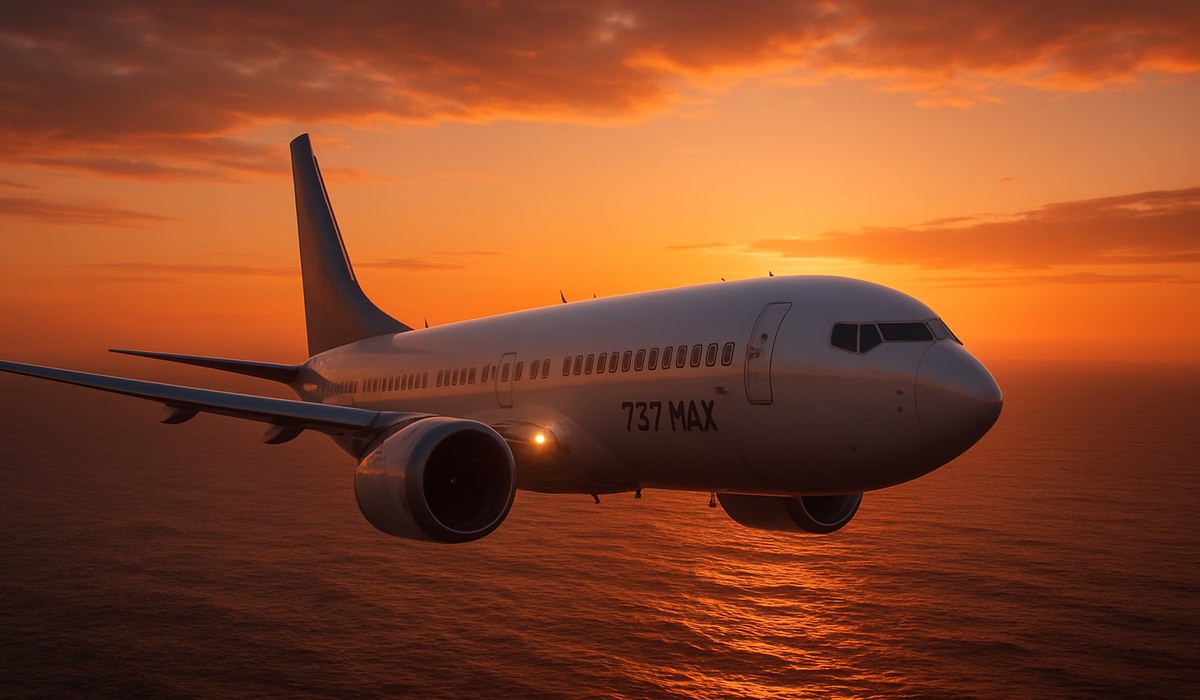
Image generated by AI
United Airlines Slashes International Capacity on Boeing 737 MAX 8
United Airlines is cutting international flights on its Boeing 737 MAX 8 fleet by 16 percent, according to operational data analysis from aviation intelligence firm ch-aviation. The strategic reduction affects the carrier's transatlantic and cross-border routes as the airline pivots toward deploying larger, long-range MAX 9 variants. Currently operating 123 MAX 8 aircraft alongside 146 MAX 9 jets, United's fleet optimization reflects broader industry trends toward fuel efficiency and increased passenger capacity on premium international routes.
United's Strategic Fleet Restructuring
United Airlines is executing a deliberate fleet transformation aimed at maximizing revenue per aircraft on international routes. The 737 MAX family represents a cornerstone of United's narrow-body operations, but the company recognizes distinct advantages in deploying the larger MAX 9 on high-demand international segments. By reducing MAX 8 international deployment by 16 percent, United frees up these smaller aircraft for domestic high-frequency services where they perform optimally.
The carrier's strategic shift aligns with post-pandemic route recovery patterns. International travel demand has rebounded stronger than anticipated, making larger aircraft more economically attractive. The MAX 9 accommodates approximately 30 additional passengers in a high-density configuration compared to the MAX 8, translating to measurable revenue improvements on lucrative transatlantic and Caribbean routes. This restructuring demonstrates how fleet planning directly impacts passenger experience and airline profitability during the 2026 recovery phase.
Boeing 737 MAX 8 Capacity Reductions Explained
The 16 percent capacity cut on MAX 8 international flights represents roughly 20 aircraft redeployment rather than retirement. United's 123 MAX 8 jets will concentrate on core domestic markets including Chicago, Denver, San Francisco, and New York hubs. This reallocation maintains service reliability while optimizing unit revenues across the network.
Fleet utilization data shows the MAX 8 excels on domestic transcontinental and regional international routes under 3,000 nautical miles. United's decision to preserve MAX 8 deployment on these segments ensures passengers continue enjoying competitive frequency and convenient scheduling. However, longer-range international routes like Newark-London, Chicago-Dublin, and San Francisco-Tokyo will increasingly see MAX 9 aircraft, which offer extended range, superior fuel economics, and enhanced passenger comfort features including larger lavatory facilities and extended windows on premium cabin seats.
The Rise of the MAX 9 in United's Long-Haul Strategy
United Airlines plans to expand its MAX 9 fleet by more than 50 percent through its substantial order book of 77 additional aircraft. This commitment positions the MAX 9 as the airline's preferred long-haul narrow-body platform for the next decade. Currently operating 146 MAX 9 jets, United will eventually operate approximately 219 examples, fundamentally reshaping its international network.
The MAX 9 delivers transformative capabilities for United's transatlantic strategy. With a maximum range of 5,860 nautical miles, the MAX 9 reaches London, Paris, and Frankfurt from United's secondary hubs, previously requiring larger widebody aircraft like the Boeing 787. This capability enables United to serve secondary markets profitably while reserving premium widebody capacity for ultra-long-haul routes like San Francisco-Singapore and Newark-Mumbai. The MAX 9's arrival expands United's international footprint without proportional capital expenditure, improving competitive positioning against rivals like American Airlines and Delta Air Lines.
What This Means for Passengers and Routes
The capacity reduction on 737 MAX 8 international flights creates measurable changes for travelers across United's international network. Affected passengers may experience slightly reduced schedule frequency on certain routes as flights consolidate onto MAX 9 aircraft. However, this consolidation typically occurs on routes with sufficient demand to fill larger aircraft, meaning actual seat availability improves despite fewer daily flights.
Passengers benefit from enhanced comfort features available on MAX 9 aircraft compared to MAX 8 configurations. United's MAX 9 premium economy seating includes wider seats, improved aisle width, and enhanced personal entertainment systems. Additionally, MAX 9 international flights offer superior galley capacity and larger lavatory facilities appreciated by long-haul travelers.
Business travelers should monitor seat inventory changes on their preferred routes. Peak-season international travel may see earlier sell-outs as flights consolidate, making advance booking increasingly important. However, the MAX 9's superior fuel efficiency may support more competitive pricing as United optimizes cost structures. Monitor FlightAware for real-time aircraft type information on your booked flights to confirm whether you'll experience MAX 8 or MAX 9 service.
Route Impact and Flight Tracking
Several United Airlines routes experience direct impacts from this capacity restructuring. Here's how affected destinations respond:
Transatlantic Routes: Newark-London Gatwick, Chicago-Dublin, San Francisco-London Heathrow, and Houston-Paris gradually transition from MAX 8 to MAX 9 operations. This transition completes approximately 12-18 months from announcement.
Caribbean and Mexico: Routes like Newark-Cancun, Chicago-Montego Bay, and Houston-Cozumel shift toward MAX 9 deployment, maintaining or increasing seat capacity despite the overall fleet reduction.
Domestic Expansion: United redeploys its freed MAX 8 aircraft onto underserved domestic markets, including expansion to secondary cities and seasonal summer leisure routes.
For real-time flight tracking and aircraft type verification, visit FlightAware, which displays specific aircraft tail numbers and configurations for every United flight. This tool helps you confirm whether your booked flight operates on MAX 8 or MAX 9 equipment.
Key Fleet and Route Data
| Metric | Details | Impact |
|---|---|---|
| MAX 8 International Reduction | 16% capacity cut | Approximately 20 aircraft redeployed domestically |
| Current MAX 8 Fleet Size | 123 aircraft | Concentrated on domestic and short-haul international routes |
| Current MAX 9 Fleet Size | 146 aircraft | Increasing to approximately 219 aircraft by 2029 |
| MAX 9 Fleet Expansion | 77 additional orders | 50%+ growth over current fleet |
| MAX 9 Range Capability | 5,860 nautical miles | Enables profitable single-aisle transatlantic service |
| Implementation Timeline | 12-18 months | Gradual transition minimizes passenger disruption |
Traveler Action Checklist
-
Check your ticket details: Log into your United Airlines account and verify your booking confirmation. Note the aircraft type listed; MAX 9 shows superior international amenities.
-
Monitor route announcements: Subscribe to United Airlines frequent flyer emails and route alerts. The carrier will announce MAX 8 to MAX 9 transitions in advance, typically 60 days before changes take effect.
-
Use flight tracking tools: Visit FlightAware 30 days before travel to confirm your specific flight's aircraft assignment. Aircraft types change seasonally and based on demand forecasts.
-
Request seat selection changes: If your flight transitions from MAX 9 to MAX 8 or vice versa, contact United's reservations team. Window configuration and amenity locations differ between variants.
-
Review baggage policies: Both aircraft accommodate identical baggage allowances, but lavatory and seat spacing differ significantly on international flights.
-
Plan connection time: If connecting domestically to an international flight, allow extra time as aircraft swaps may cause minor schedule adjustments.
-
Contact customer service for route clarity: For flights booked 6+ months in advance, call United's reservations team to confirm aircraft assignment, as assignments may change during the transition period.
Frequently
Disclaimer
This article is for informational and educational purposes only. It does not constitute legal, financial, or professional advice. While we strive to provide accurate and up-to-date information, travel policies, regulations, and conditions change rapidly. Always verify information with official sources before making travel decisions. Nomad Lawyer makes no representations about the accuracy, reliability, completeness, or suitability of the information provided. Readers should consult qualified professionals for advice specific to their circumstances. The views expressed in this article are those of the author and do not necessarily reflect the views of Nomad Lawyer.
Preeti Gunjan
Contributor & Community Manager
A passionate traveller and community builder. Preeti helps grow the Nomad Lawyer community, fostering engagement and bringing the reader experience to life.
Learn more about our team →