
United Airlines' Flagship Boeing 787-9 Faces Persistent Technical Failures, Threatening Premium Strategy
Breaking airline news and aviation industry updates for 2026.

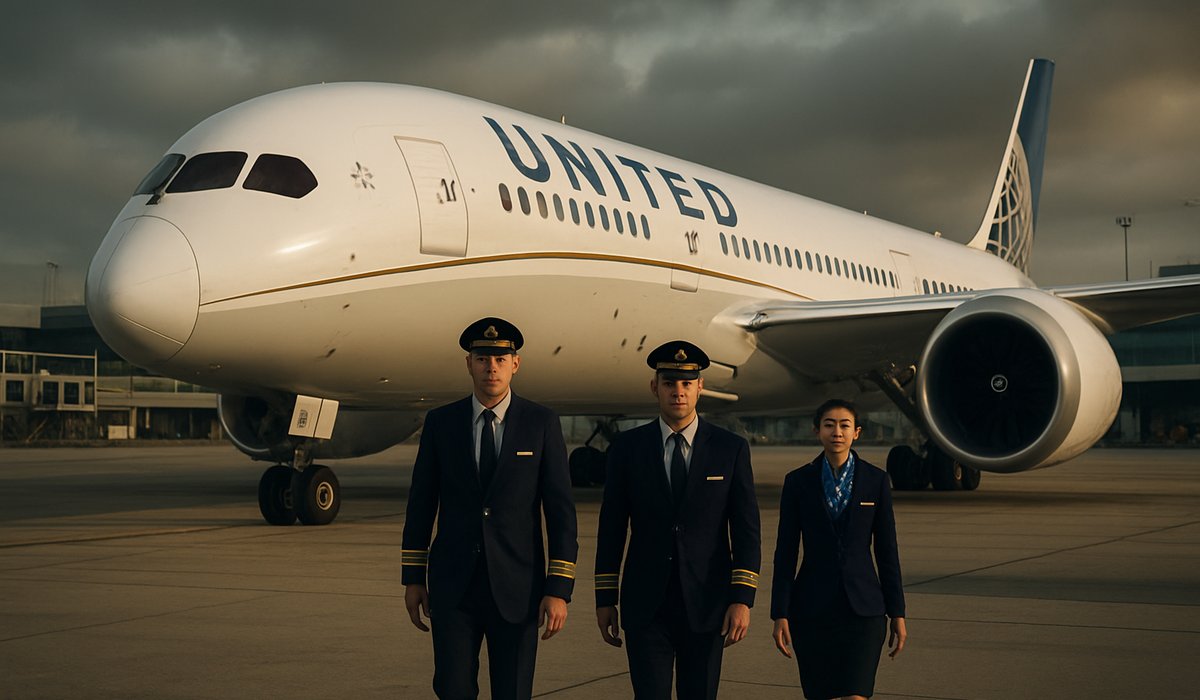
Image generated by AI
United Airlines' Flagship Boeing 787-9 Faces Persistent Technical Failures, Threatening Premium Strategy
The carrier's bet on a revolutionary widebody aircraft designed to dominate long-haul business travel is unraveling as mechanical issues ground its flagship jet
Strategic Gamble in Jeopardy
United Airlines is confronting an operational crisis with its most ambitious aircraft investment. The carrier's first Boeing 787-9 Dreamliner—tail number N61101—delivered just this year, has become emblematic of the airline's premium-tier expansion plans. Yet the aircraft's repeated breakdowns threaten to derail a multi-billion-dollar strategy that hinges on capturing high-yield business and first-class passengers on intercontinental routes.
The 787-9 represents the cornerstone of United's long-haul dominance strategy. With an unprecedented 99 premium cabin seats—the highest density of business-class capacity of any American carrier's fleet—these aircraft were engineered to maximize revenue per flight while offering industry-leading passenger comfort. United has committed to acquiring more than 200 of these widebody jets, with 33 configured in the premium-heavy layout that N61101 exemplifies.
Execution Troubles Undermine Capital Plans
The technical difficulties plaguing the airline's lead aircraft expose vulnerabilities in its broader fleet modernization program. Each unscheduled maintenance event translates to lost flight hours, cancelled routes, and diminished revenue from premium passengers—a particularly acute problem given current jet fuel price volatility and competitive pressure in premium cabin pricing.
This operational setback arrives as the global aviation industry continues recovering from pandemic disruptions. Legacy carriers like United have aggressively invested in next-generation widebodies to recapture market share on profitable transatlantic and transpacific routes, where premium cabin revenue typically represents 40-50% of total ticket sales.
Industry Context
The 787-9's troubled introduction reflects broader challenges affecting aircraft certification and early-stage fleet integration. Boeing has faced intense scrutiny over manufacturing quality and safety protocols in recent years, adding pressure on major carriers to carefully manage their relationships with suppliers while maintaining public confidence in new equipment deployments.
For United, the stakes extend beyond individual aircraft performance. The carrier's competitive positioning depends on deploying these premium-configured 787s to premium-conscious business travelers who increasingly demand newer cabins, improved connectivity, and enhanced in-flight services. Recurring technical issues risk damaging brand perception precisely when the airline attempts to justify premium pricing in a cost-conscious post-recession travel environment.
What's Next
United's engineering and maintenance teams are reportedly conducting comprehensive diagnostics on N61101 to identify root causes and prevent recurring failures across the incoming 787-9 fleet. The airline's ability to resolve these issues quickly will significantly impact its financial projections for premium cabin revenue growth over the next five years.
Frequently Asked Questions
Why are Boeing 787s so expensive for airlines like United? The 787-9 Dreamliner features advanced materials, fuel-efficient engines, and extended-range capabilities that reduce operating costs. However, the initial acquisition price exceeds $300 million per aircraft, making early technical issues particularly costly.
How do mechanical breakdowns affect airline baggage fees and ancillary revenue? Grounded aircraft force schedule consolidation, reducing available seats and increasing load factors. This can paradoxically boost ancillary revenue (baggage, seat selection) but damages customer satisfaction and premium brand positioning.
What is the impact of jet fuel prices on United's premium aircraft strategy? Higher fuel costs make the 787's superior fuel efficiency more valuable, but persistent aircraft unavailability means the airline cannot capitalize on these operational advantages consistently.
How does this compare to competitor airlines' widebody fleets? American Airlines and Delta have also invested heavily in 787s and similar next-generation aircraft, but technical execution differences can create competitive advantages for carriers with more stable supply chains.
When will United's 787-9 fleet be fully operational? The airline expects delivery of additional 787-9s throughout 2026-2028, pending resolution of N61101's technical issues and successful integration of subsequent aircraft.
Related Travel Guides
External Resources
Disclaimer
This article is for informational and educational purposes only. It does not constitute legal, financial, or professional advice. While we strive to provide accurate and up-to-date information, travel policies, regulations, and conditions change rapidly. Always verify information with official sources before making travel decisions. Nomad Lawyer makes no representations about the accuracy, reliability, completeness, or suitability of the information provided. Readers should consult qualified professionals for advice specific to their circumstances. The views expressed in this article are those of the author and do not necessarily reflect the views of Nomad Lawyer.
Raushan Kumar
Founder & Lead Developer
Full-stack developer with 11+ years of experience and a passionate traveller. Raushan built Nomad Lawyer from the ground up with a vision to create the best travel and law experience on the web.
Learn more about our team →