
United Airlines Posts Record Traffic Surge as 15 High-Demand Routes Each Top 1 Million Annual Passengers
Breaking airline news and aviation industry updates for 2026.

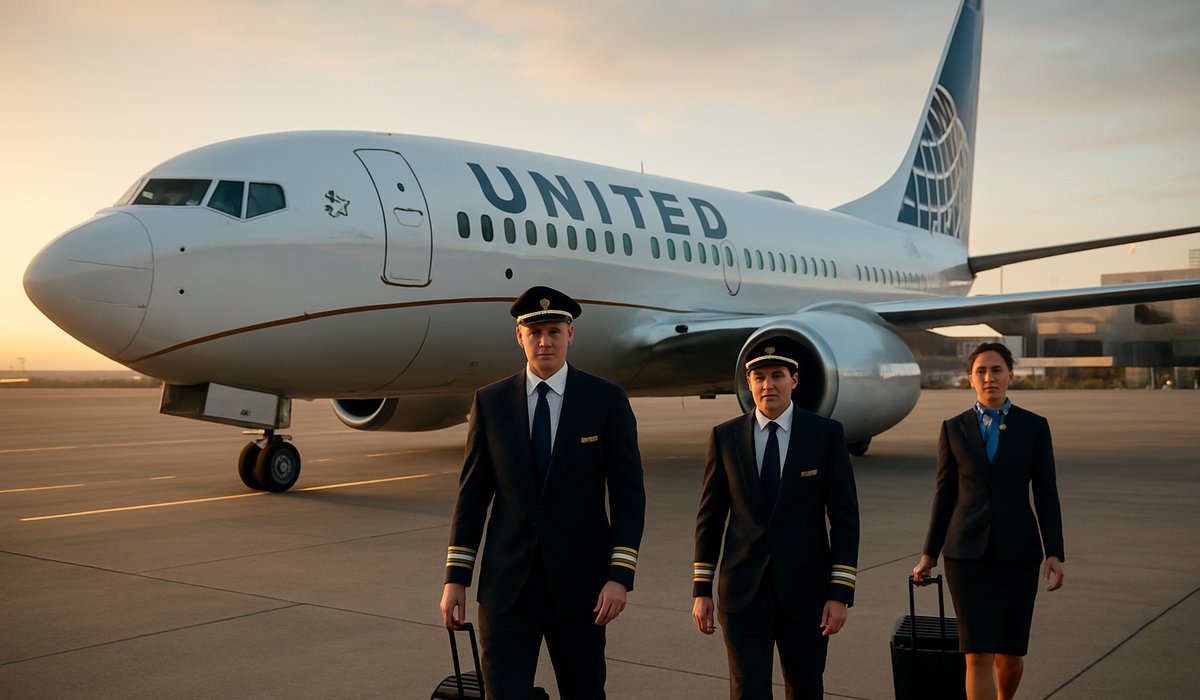
Image generated by AI
United Airlines Posts Record Traffic Surge as 15 High-Demand Routes Each Top 1 Million Annual Passengers
The carrier's 2025 performance marks strongest year yet, with daily passenger volumes reaching half a million as mega-routes drive aviation recovery
Record-Breaking Year Caps Sustained Growth Trajectory
United Airlines has cemented its position as a major global carrier, transporting 182 million passengers throughout 2025—a watershed achievement that underscores the aviation industry's robust recovery and reshaping travel landscape. The Chicago-based airline processed approximately 499,000 travelers daily, according to data filed with the US Department of Transportation, surpassing its previous record established in 2024 by a decisive 5 percent margin.
The milestone represents not merely a statistical achievement but signals fundamental shifts in consumer demand, route profitability, and competitive positioning within North America's fiercely contested airline sector. With international travel rebounding and domestic leisure flying remaining elevated, United's performance reflects broader industry momentum—though rising jet fuel prices and persistent airline fees continue shaping passenger behavior and route economics.
Fifteen Marquee Routes Emerge as Backbone of Network
At the heart of United's operational success lie 15 extraordinarily high-traffic routes, each carrying in excess of 1 million annual passengers. These mega-corridors—typically connecting major metropolitan hubs including New York, Los Angeles, San Francisco, Chicago, and Houston—generate disproportionate revenue while anchoring the carrier's scheduling and fleet allocation strategies.
Such concentration underscores the winner-take-most dynamics reshaping modern aviation. Airlines achieving critical mass on premium routes can better absorb operational costs, negotiate favorable gate access, and optimize crew utilization. For United, these corridors represent competitive fortresses that justify investments in premium cabins and loyalty program incentives.
Implications Across Aviation Sector
United's explosive growth arrives amid industry-wide complexity. Volatile jet fuel prices continue pressuring margins, prompting carriers to impose incremental baggage charges and ancillary fees. Simultaneously, expanding route networks and increased seat capacity create pricing pressures that benefit cost-conscious passengers while squeezing airline profitability.
The carrier's success also reflects post-pandemic normalization of business travel, resurgent international leisure demand, and network optimization decisions made during aviation's darkest chapter. Competitors including American Airlines, Delta Air Lines, and Southwest Airlines maintain comparable strategic postures, each fighting for premium domestic and international traffic.
What's Next for Aviation's Leading Carriers
Looking forward, United's record trajectory will likely influence fleet decisions, capacity additions on proven routes, and technology investments aimed at enhancing passenger experience—critical differentiators as airline fees and baggage charges become increasingly commoditized across the industry.
Frequently Asked Questions
Q: Why do certain airline routes carry over 1 million passengers annually? A: Major metropolitan corridors connecting business and leisure hubs generate consistent demand year-round, justifying premium scheduling and larger aircraft deployment.
Q: How do rising jet fuel prices affect airline baggage fees and ticket pricing? A: Elevated fuel costs compress margins, prompting carriers to impose higher ancillary fees for checked baggage and seat selection to offset operational expenses.
Q: Is United Airlines' 2025 growth sustainable heading into 2026? A: While demand remains strong, economic uncertainty and fuel price volatility present headwinds that could moderate growth rates in coming quarters.
Q: What distinguishes United's performance from competitors like American or Delta? A: Network optimization, hub consolidation, and strategic capacity deployment on proven high-traffic routes provide competitive advantages, though all major carriers follow similar strategies.
Q: How do airline fees impact passenger behavior on high-demand routes? A: Transparent baggage charges and ancillary fees influence booking decisions and route selection, with budget-conscious travelers gravitating toward carriers offering bundled pricing models.
Related Travel Guides
Flight Delay Compensation Guide 2026
Understanding Airline Route Changes
Airport Security Process Updated (2026)
External Resources
Disclaimer
This article is for informational and educational purposes only. It does not constitute legal, financial, or professional advice. While we strive to provide accurate and up-to-date information, travel policies, regulations, and conditions change rapidly. Always verify information with official sources before making travel decisions. Nomad Lawyer makes no representations about the accuracy, reliability, completeness, or suitability of the information provided. Readers should consult qualified professionals for advice specific to their circumstances. The views expressed in this article are those of the author and do not necessarily reflect the views of Nomad Lawyer.
Kunal K Choudhary
Co-Founder & Contributor
A passionate traveller and tech enthusiast. Kunal contributes to the vision and growth of Nomad Lawyer, bringing fresh perspectives and driving the community forward.
Learn more about our team →