
United Airlines Defies Seasonal Norms, Extends Sicily Route Into Winter With Retrofitted Boeing 767
Breaking airline news and aviation industry updates for 2026.

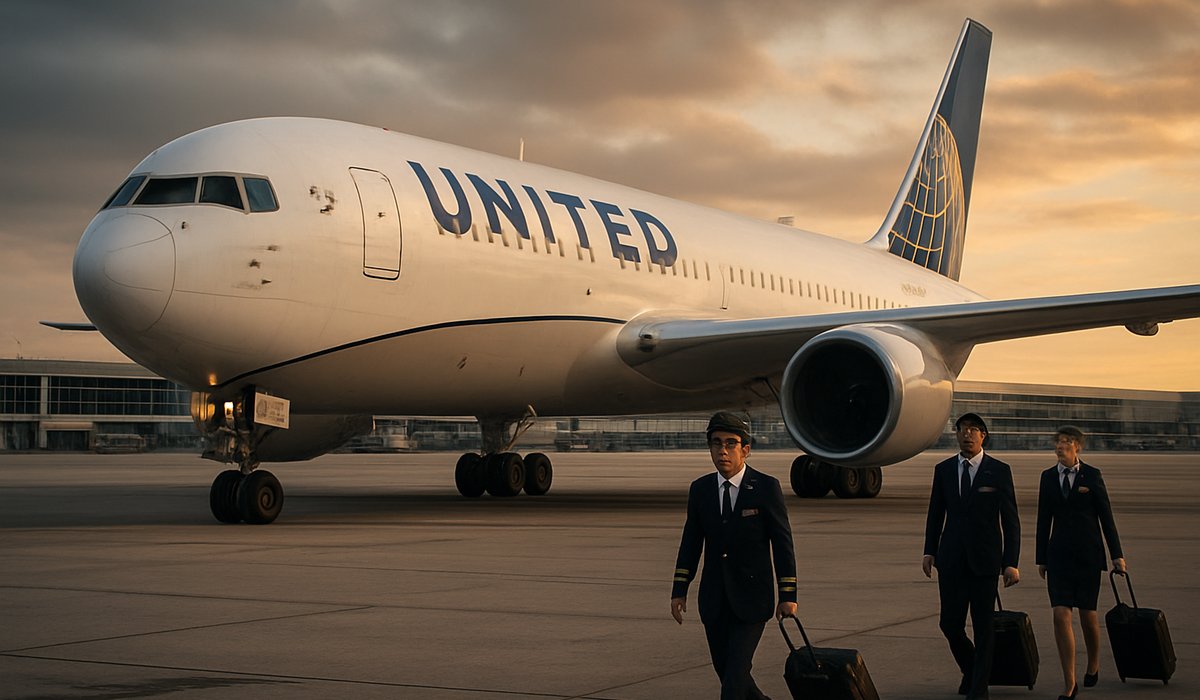
Image generated by AI
United Airlines Defies Seasonal Norms, Extends Sicily Route Into Winter With Retrofitted Boeing 767
Carrier's unconventional deployment of premium-configured narrow-body aircraft signals shift in European regional aviation strategy
Breaking Development
United Airlines has made a striking operational decision that challenges conventional transatlantic scheduling: the carrier is extending its summer seasonal service to Sicily well into the winter months, deploying a specially configured Boeing 767 fitted with just 46 premium seats. The move represents a notable departure from industry standards, where secondary European destinations typically operate on strict seasonal windows tied to peak leisure demand.
Strategic Route Expansion
The decision underscores United's increasingly aggressive push into underserved European markets beyond traditional hub destinations. While major carriers concentrate winter capacity on year-round profitable routes, United's commitment to maintaining Sicily connectivity during colder months suggests confidence in underlying demand—and willingness to absorb higher per-seat costs associated with smaller aircraft operations.
The airline's choice to deploy a narrow-body 767 with extremely limited seating capacity—approximately one-tenth of what a standard wide-body aircraft would carry—indicates this is positioned as a premium offering rather than mass-market accessibility. This configuration aligns with United's broader Polaris cabin expansion strategy, emphasizing high-yield business and first-class passengers.
Industry Context and Implications
The development arrives amid broader shifts in transatlantic aviation. Post-pandemic, carriers are reassessing route profitability, with secondary European gateways attracting renewed attention from North American airlines. However, operating premium-configured narrow-body aircraft on international routes traditionally remains the domain of legacy carriers' premium leisure offerings.
United's decision carries operational complexity: maintaining year-round service on lower-demand routes typically requires rigorous cost management and sustained premium pricing. The aircraft's 46-seat configuration suggests the airline is targeting high-spending travelers—business professionals, luxury leisure passengers, and premium frequent flyers willing to pay premium fares.
Market Signals
This strategy reflects broader transformations in aviation economics. As jet fuel prices and crew costs remain elevated, carriers increasingly rely on premium cabin yield rather than volume. United's willingness to commit dedicated capacity to Sicily through winter months—traditionally a soft-demand period—signals confidence in both the market and its ability to fill premium seats consistently.
The move also positions United competitively against European carriers serving their home markets, particularly Italian airlines operating domestic and intra-European services.
FAQ: Winter Transatlantic Routes and Seasonal Aviation Strategy
Q: Why do airlines typically operate seasonal routes to Mediterranean destinations? A: Peak leisure travel to sun destinations concentrates in summer months, making year-round service economically challenging. Winter operating costs—including crew, fuel, and airport fees—must be offset by sustained premium pricing or higher load factors.
Q: What is a Polaris cabin configuration? A: United's Polaris is the airline's premium long-haul cabin featuring lie-flat business-class seats, enhanced dining, and premium amenities designed for high-yield international travelers.
Q: How does aircraft size affect transatlantic route economics? A: Smaller aircraft increase per-seat operating costs but enable carriers to maintain service on lower-demand routes by targeting premium cabin revenue rather than relying on volume.
Q: Are other U.S. carriers expanding secondary European routes? A: Yes; several major carriers are reassessing European networks post-pandemic, adding capacity to underserved destinations previously considered seasonal-only operations.
Q: What impact do jet fuel prices have on route profitability? A: Rising fuel costs compress margins significantly, forcing carriers to prioritize premium yield and load factors, particularly on lower-demand seasonal routes requiring dedicated aircraft deployment.
Related Travel Guides
Flight Delay Compensation Guide 2026
Understanding Airline Route Changes
Airport Security Process Updated (2026)
External Resources
Disclaimer
This article is for informational and educational purposes only. It does not constitute legal, financial, or professional advice. While we strive to provide accurate and up-to-date information, travel policies, regulations, and conditions change rapidly. Always verify information with official sources before making travel decisions. Nomad Lawyer makes no representations about the accuracy, reliability, completeness, or suitability of the information provided. Readers should consult qualified professionals for advice specific to their circumstances. The views expressed in this article are those of the author and do not necessarily reflect the views of Nomad Lawyer.
Raushan Kumar
Founder & Lead Developer
Full-stack developer with 11+ years of experience and a passionate traveller. Raushan built Nomad Lawyer from the ground up with a vision to create the best travel and law experience on the web.
Learn more about our team →