
Expert Guide to US National Parks 2026: 9 Strategic Tips for Avoiding Crowds and Logistics Failures
Maximize your US National Park experience with expert strategies on crowd avoidance, trailhead navigation, and logistics that typical travel blogs overlook.

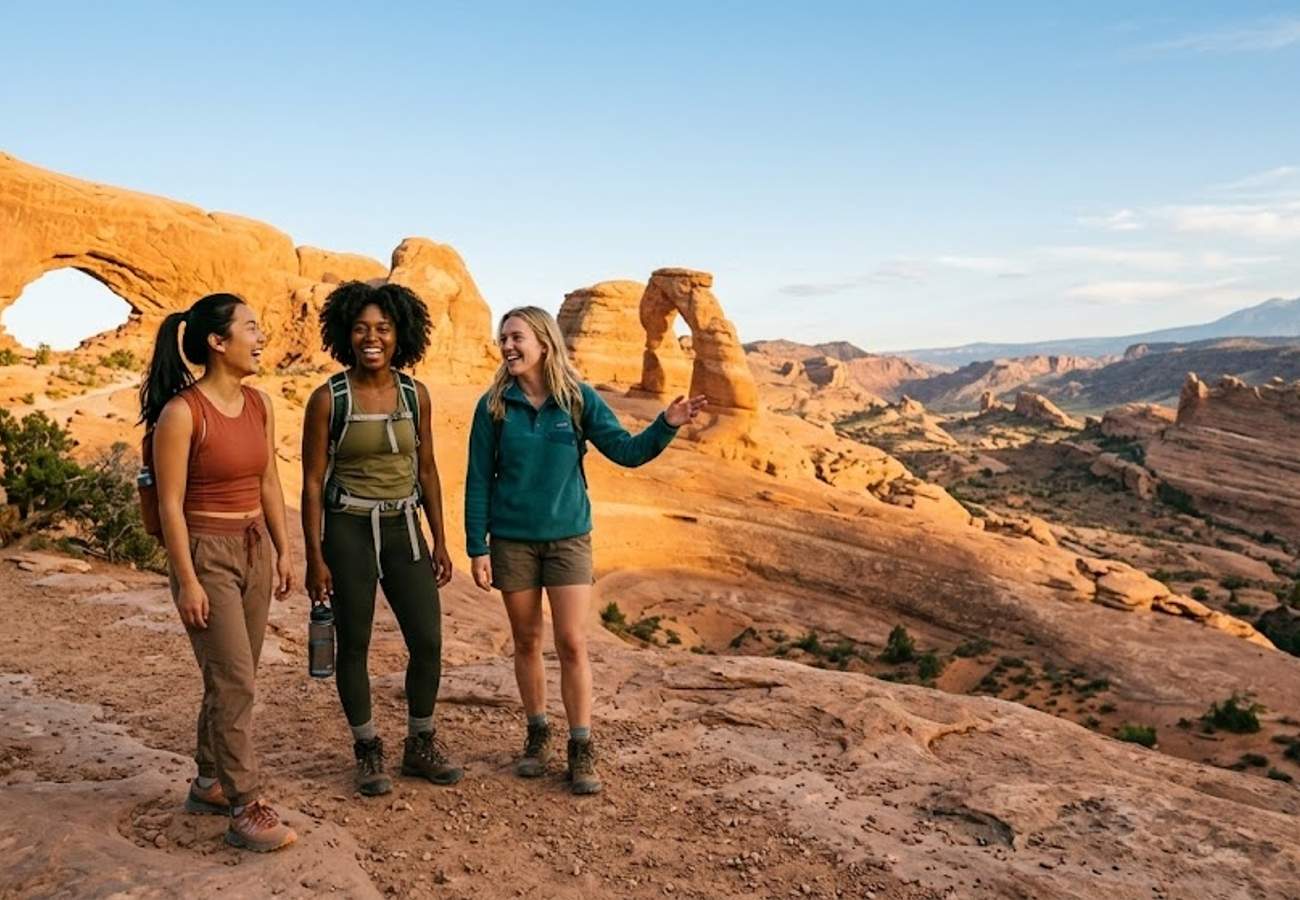
Image generated by AI
Visiting the iconic landscapes of the U.S. National Park system often involves a clash between breathtaking nature and overwhelming crowds. While standard guides suggest "arriving early," true operational success requires a deeper understanding of park infrastructure and human behavior.
After auditing experiences across 15 different national parks, it is clear that the difference between a stressful trip and a serene adventure lies in the details—specifically the logistics of restrooms, trailhead naming conventions, and the timing of departures.
Strategic Timing and the "Golden Goose" Priority
Most visitors commit the error of "scenic drifting"—stopping at every interesting overlook on the way to their primary destination. In high-traffic parks like Arches National Park in Utah, this approach guarantees a missed parking spot at the most coveted sites.
To secure a "Golden Goose" hike—the iconic, high-demand vista—you must prioritize the destination over the journey. Drive directly to the primary trailhead, bypassing smaller attractions. Once the primary objective is achieved and the parking spot is secured, the rest of the day can be dedicated to the underrated stops that don't require a 5:00 AM wake-up call.
The Logistics of Human Needs and Infrastructure
One of the most overlooked aspects of park planning is the "bathroom bottleneck." While food and water are typically accounted for, the scarcity of plumbed facilities can derail a strict itinerary.
- The Visitor Center Advantage: Most parks only offer full plumbing at the main visitor center.
- The Trailhead Trap: Relying on restrooms at a popular trailhead often means joining a queue of dozens of hikers, potentially wasting 30 minutes of prime exploration time.
- The Solution: Use the visitor center facilities before entering the park's interior to bypass the "port-a-potty dance" at the trailheads.
Advanced Crowd Avoidance: The 0.5-Mile Rule and Secret Entrances
Crowd density in parks like Zion, Yosemite, and Rocky Mountain can reach staggering levels. During a Labor Day weekend in Rocky Mountain National Park, approximately 60,000 visitors arrived over three days.
To find solitude, travelers should employ two specific tactics:
- Alternate Entry Points: Most parks have more than one entrance. Avoiding the primary gateway (such as the Estes Park entrance in Rocky Mountain) in favor of "secret" west-side entrances can immediately reduce the number of people encountered.
- Distance from Pavement: The "0.5-Mile Rule" suggests that the vast majority of visitors never venture more than a short distance from their cars. By choosing longer trails—such as a 12-mile round trip—you can reduce your encounters from thousands of people to a handful of small groups.
Navigation Accuracy: Trails vs. Trailheads
A common point of frustration for travelers is arriving at the correct general area but missing the specific turn-off. This happens because park signage often prioritizes the name of the parking area over the name of the trail.
To avoid driving past your destination:
- Identify the specific name of the parking lot or trailhead area.
- Do not rely solely on the trail name, as one parking lot may serve multiple diverging paths.
- Verify the mile marker associated with the trailhead before departing the visitor center.
Environmental Factors in Meal Planning
Packing for a hike requires more than just calorie counting; it requires an understanding of thermodynamics and atmospheric pressure.
- Temperature Management: In the Southwest, high heat can turn deli meats and cheeses into an unappealing, soggy mess inside a backpack.
- The Elevation Effect: Rapid ascent (such as a 2,000-foot gain) causes sealed air-filled snacks, like crackers, to expand and potentially burst, leaving debris throughout your gear.
The "Exit Strategy" Paradox
While the entrance queues are widely documented, the exit congestion is often underestimated. Leaving a park around 4:00 PM often coincides with a massive wave of departures, leading to gridlock in gateway towns and two-hour waits at local restaurants.
To optimize the end of the day, consider two options:
- The Early Exit: Leave by mid-afternoon to secure dinner reservations and beat the traffic.
- The Late Stay: Pack a dinner and remain in the park until 6:00 PM or 7:00 PM, allowing the primary rush to clear before heading back to town.
National Park Experience Comparison
| Factor | Standard Approach | Expert Strategy | Result |
|---|---|---|---|
| Morning Route | Stop at every vista | Drive straight to the "Golden Goose" | Guaranteed parking at iconic sites |
| Restrooms | Use trailhead facilities | Use Visitor Center first | 30+ minutes saved per stop |
| Crowd Control | Main entrance / Short trails | Alternate entrances / 12+ mile hikes | Transition from 30k people to <10 |
| Navigation | Search for trail name | Search for trailhead/parking name | Zero missed turn-offs |
| Departure | Leave at 4:00 PM | Leave before 3 PM or after 7 PM | Avoid gateway town gridlock |
Key Takeaways for 2026 Travelers
- Prioritize the "Big Win": Secure your most famous hike first; save the underrated spots for the afternoon.
- Diversify Entrances: Use secondary gates to bypass the heaviest traffic.
- Plan for Pressure: Be mindful of how elevation affects sealed food packaging.
- Name the Lot: Always record the name of the parking area, not just the trail.
Frequently Asked Questions
Why is it better to use the visitor center restroom than the trailhead one? Visitor centers generally have better plumbing and fewer queues than the limited "hole-in-the-ground" options found at busy trailheads, which can be overwhelmed by hundreds of hikers.
How can I find "secret" entrances to national parks? Consult the park's official map for multiple entry points. Often, the less-advertised entrances on the west or north sides have significantly lower traffic than the primary tourist gateways.
What is the best time to leave a park to avoid traffic? Avoid the 4:00 PM rush. Either exit early for a pre-dinner departure or stay in the park until 7:00 PM to let the crowds disperse.
Mastering the logistics of the wilderness is the only way to truly experience the silence of the wild.
Related Travel Guides
Disclaimer
This article is for informational and educational purposes only. It does not constitute legal, financial, or professional advice. While we strive to provide accurate and up-to-date information, travel policies, regulations, and conditions change rapidly. Always verify information with official sources before making travel decisions. Nomad Lawyer makes no representations about the accuracy, reliability, completeness, or suitability of the information provided. Readers should consult qualified professionals for advice specific to their circumstances. The views expressed in this article are those of the author and do not necessarily reflect the views of Nomad Lawyer.
Preeti Gunjan
Contributor & Community Manager
A passionate traveller and community builder. Preeti helps grow the Nomad Lawyer community, fostering engagement and bringing the reader experience to life.
Learn more about our team →