
Airlines Under Fire: JetBlue's Deleted Social Media Post Reignites Debate Over Hidden Pricing Tactics
Breaking airline news and aviation industry updates for 2026.

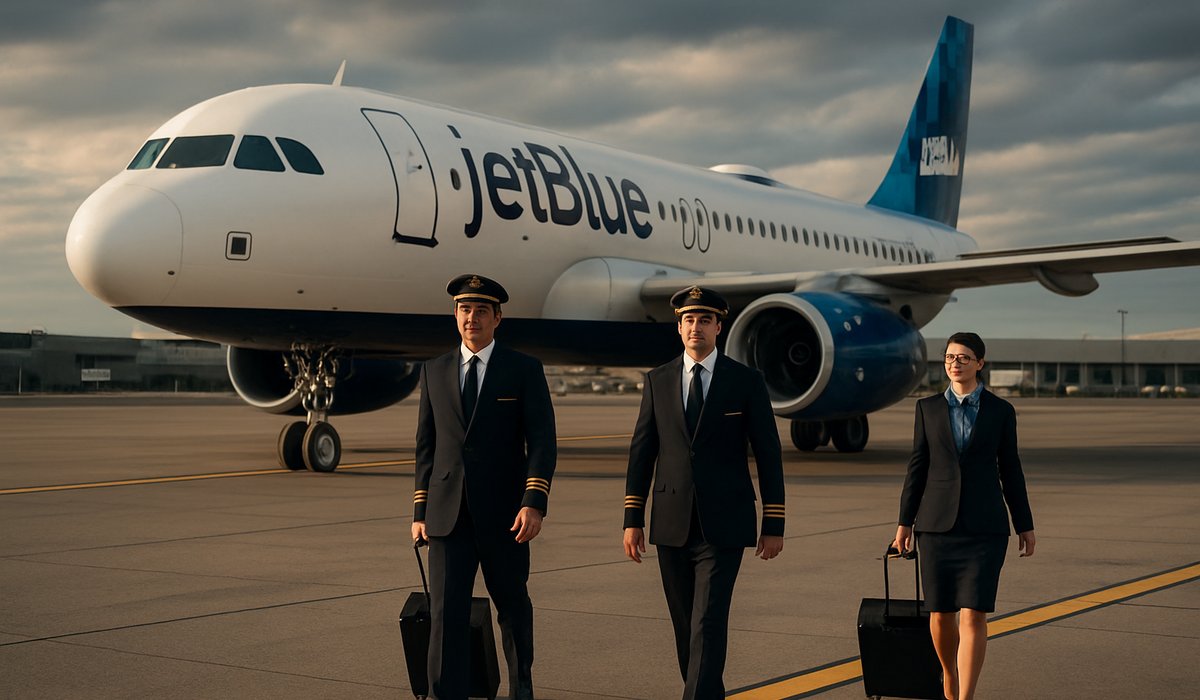
Image generated by AI
Airlines Under Fire: JetBlue's Deleted Social Media Post Reignites Debate Over Hidden Pricing Tactics
The carrier's controversial messaging raises fresh questions about whether the industry employs surveillance-based algorithms to maximize fares
The Controversy That Exposed Industry Practices
JetBlue Airways has found itself at the center of an escalating public relations crisis after removing a social media post that critics argue inadvertently confirmed what the airline industry has long denied: the use of sophisticated pricing algorithms that track consumer behavior to charge higher fares.
The deleted post has ignited renewed scrutiny into practices that consumer advocates say exploit travelers through opaque pricing mechanisms and data-driven fare manipulation. Industry observers suggest the incident exposes a deeper truth about how modern carriers optimize revenue at the expense of transparency—a practice that has contributed to aviation's reputation as one of America's most despised business sectors.
A Growing Trust Deficit in Commercial Aviation
The airline industry faces persistent public skepticism across multiple fronts. Beyond baggage fees and seat charges, travelers consistently report frustration with irregular operations, mishandled luggage, inadequate communication, and pricing structures that seem deliberately obscured. JetBlue's social media misstep has now weaponized existing consumer distrust, transforming what might have been routine corporate messaging into a flash point for broader industry criticism.
The timing amplifies concerns already heightened by sustained inflationary pressures on jet fuel prices and the industry's aggressive ancillary revenue strategies. Airlines have increasingly relied on baggage charges, booking fees, and dynamic pricing to maintain margins—tactics that feel particularly galling to passengers when fares appear to fluctuate based on personal browsing history or purchasing patterns.
What the Industry Claims Versus What Practices Suggest
Major carriers have historically maintained that their pricing algorithms respond to legitimate market factors: demand, competition, and operational costs. Yet JetBlue's deleted message—now widely circulated across social media and industry forums—appears to suggest something far more targeted: personalized pricing based on individual consumer surveillance.
Consumer advocacy groups are demanding immediate regulatory clarification on whether airlines systematically employ tracking technologies to identify price-sensitive passengers and adjust fares accordingly. If substantiated, such practices could violate transparency principles and trigger legislative responses.
Looking Ahead: Regulatory Scrutiny Intensifies
The incident arrives as lawmakers and aviation regulators already scrutinize airline fee structures and ancillary revenue models. Transportation officials have indicated growing interest in mandating clearer pricing disclosure and limiting what some argue are predatory charging practices.
JetBlue has not issued a detailed public statement addressing the allegations directly, though industry sources suggest the carrier maintains that its pricing reflects standard revenue optimization practices common across commercial aviation.
FAQ: Understanding Airline Pricing and Fees
Q: Do airlines use personal data to set different prices for different customers? A: While carriers claim pricing reflects market demand and operational costs, JetBlue's recent controversy suggests surveillance-based pricing may be more prevalent than publicly acknowledged.
Q: How much do airline baggage fees impact overall travel costs? A: Baggage charges now represent a significant portion of ancillary revenue, with carriers collecting billions annually through checked and carry-on bag fees.
Q: Are airline pricing practices regulated by government agencies? A: The Federal Aviation Administration and Department of Transportation oversee certain practices, but transparency requirements remain limited compared to other industries.
Q: Why does jet fuel price volatility affect ticket prices so dramatically? A: Fuel represents approximately 20-30% of operating costs, making price swings directly impact airline profitability and pricing strategies.
Q: What can travelers do to avoid paying inflated fares? A: Clear browsing cookies, use incognito mode when searching, compare prices across multiple platforms, and book during off-peak periods to potentially avoid surge pricing.
Related Travel Guides
Flight Delay Compensation Guide 2026
Understanding Airline Route Changes
Airport Security Process Updated (2026)
External Resources
Disclaimer
This article is for informational and educational purposes only. It does not constitute legal, financial, or professional advice. While we strive to provide accurate and up-to-date information, travel policies, regulations, and conditions change rapidly. Always verify information with official sources before making travel decisions. Nomad Lawyer makes no representations about the accuracy, reliability, completeness, or suitability of the information provided. Readers should consult qualified professionals for advice specific to their circumstances. The views expressed in this article are those of the author and do not necessarily reflect the views of Nomad Lawyer.
Preeti Gunjan
Contributor & Community Manager
A passionate traveller and community builder. Preeti helps grow the Nomad Lawyer community, fostering engagement and bringing the reader experience to life.
Learn more about our team →