
UK Rail Services Suspended as Extreme Heatwave Triggers Widespread Train Delays and Infrastructure Risks in 2026
Extreme heat across Britain has forced railway operators to suspend services and implement speed restrictions to prevent track buckling and overhead line failure during the 2026 summer peak.

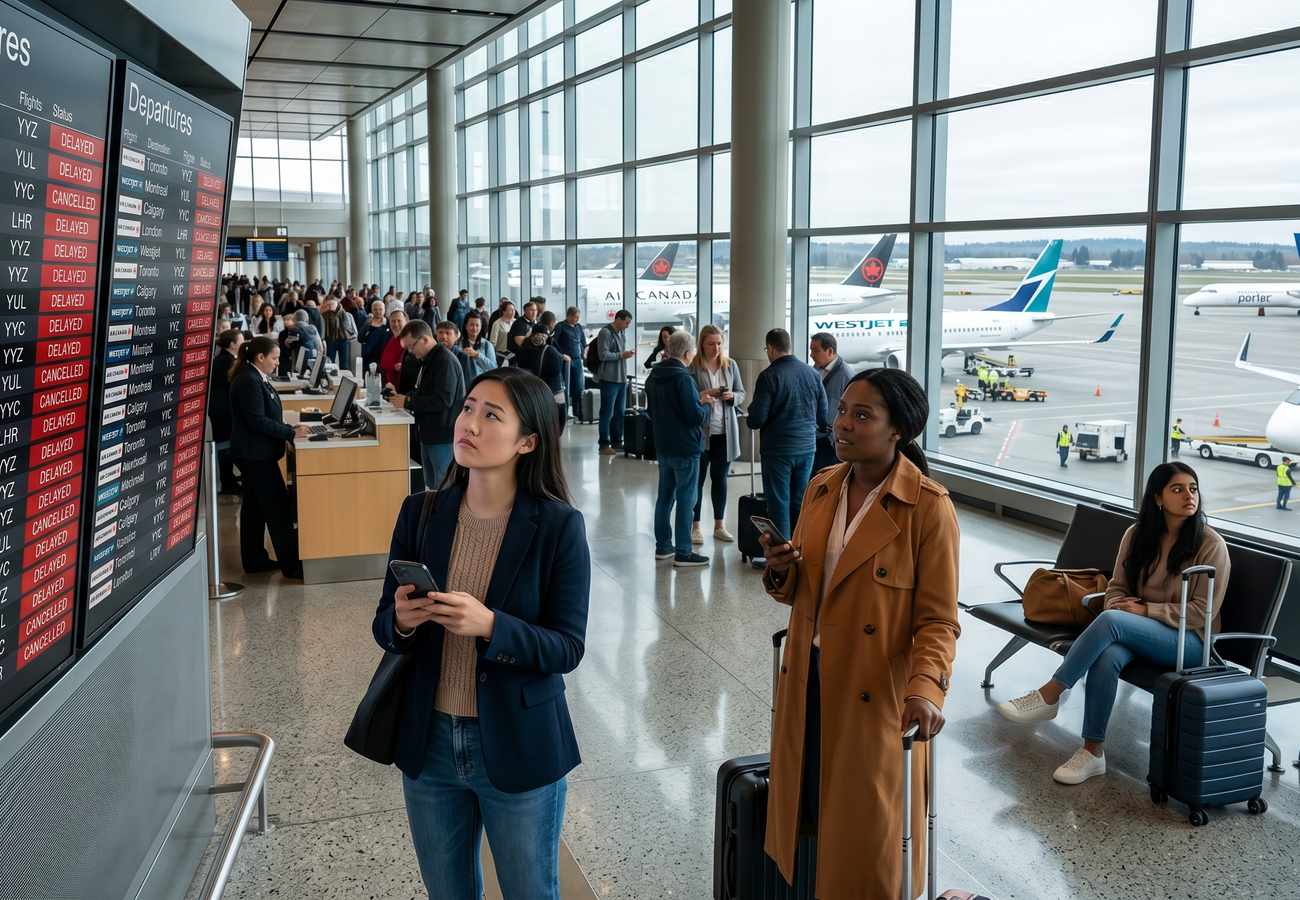
Image generated by AI
[London, July 8, 2026] — Railway operators across Great Britain are suspending and reducing services as an intense heatwave triggers critical infrastructure warnings. Soaring temperatures have created immediate risks to track stability and power systems, leading to widespread cancellations and delays during the peak summer holiday window.
The current weather event has placed immense pressure on the UK's transport network, with authorities warning that extreme thermal expansion is compromising the safety of rail lines. As temperatures climb across England and Wales, rail companies have pivoted to emergency operational modes, urging the public to avoid non-essential travel to mitigate overcrowding and safety hazards.
Heat-Induced Infrastructure Failure Risks Across Britain
The technical challenges currently facing the UK rail network stem from the physical properties of steel and copper under extreme thermal stress. Industry reports indicate that high temperatures cause steel rails to expand, which can lead to track buckling or distortion. When rails lose their precise alignment, the risk of derailment increases, forcing operators to either halt traffic or implement strict speed restrictions.
Beyond the tracks, overhead line equipment (OLE) is also vulnerable. The copper wires that provide power to electric trains expand and sag in the heat. This sagging can lead to "dewirements" or electrical faults, further stripping the network of its capacity.
To manage these risks, Network Rail has implemented enhanced safety controls. These measures include:
- Reduced Line Speeds: Trains are running slower to decrease the mechanical stress on the tracks.
- Amended Timetables: Schedules are being rewritten in real-time to account for slower transit times.
- Infrastructure Monitoring: Increased surveillance of "hot spots" where track buckling is most likely.
For the millions of passengers relying on these services, the result is a fragmented travel experience characterized by last-minute cancellations and significantly longer journey times.
Passenger Alerts and Essential Travel Guidance
National Rail and various train operating companies have issued urgent notices advising passengers to verify all schedules before attempting to travel. The warnings emphasize that the disruption is not localized but affects multiple routes due to the systemic nature of heat-related failures, including the potential for lineside fires caused by parched vegetation.
Officials have released specific guidance for vulnerable groups, including elderly travelers, families with young children, and international tourists who may be unfamiliar with alternative transport options. Recommended precautions include:
- Hydration: Carrying sufficient water for unexpected delays in stations.
- Time Buffers: Allowing several additional hours for journeys to key hubs.
- Digital Monitoring: Using live tracking apps rather than relying on printed timetables.
The directive to avoid non-essential travel is particularly pressing in regions under severe heat warnings, where the combination of infrastructure fragility and passenger health risks is highest.
Tourism and Economic Impact of Transport Volatility
The instability of the rail network during this peak season is creating a ripple effect across the UK tourism sector. Because many international visitors rely on rail to move from London to regional cultural sites, coastal resorts, and airports, these suspensions are disrupting hotel arrivals and pre-booked tour itineraries.
Travel agencies and tour operators are currently being forced to restructure trips on the fly. The inability to guarantee rail connections means that visitors are shifting toward road transport, which in turn increases congestion on the UK's motorway network.
This scenario underscores a broader global trend where climate-driven events are becoming primary variables in travel planning. From airports facing runway melting to cruise lines navigating extreme storms, the 2026 season demonstrates that transport resilience is no longer an optional upgrade but a necessity for economic stability.
Strategic Safety Implementations and Climate Adaptation
In response to the current crisis, rail authorities have deployed a series of tactical safety measures. While speed restrictions and timetable cuts are unpopular with commuters, industry observers note that these are the only viable ways to prevent catastrophic infrastructure failure when temperatures exceed the original design specifications of the Victorian-era rail layouts.
The ongoing disruption is driving a conversation about the need for "climate-ready" infrastructure. This includes the potential for:
- Advanced Thermal Coating: Applying materials to rails to reflect heat.
- Modernized OLE: Installing tensioning systems that can better handle expansion.
- Predictive AI: Using weather data to predict track buckling before it occurs.
As the frequency of these extreme heat events increases, the UK transport sector is under pressure to move from reactive emergency measures to a proactive model of climate adaptation.
Why This Matters: The Shift Toward Infrastructure Resilience
The current rail crisis in the UK is a case study in the "fragility of precision." Railway engineering relies on incredibly tight tolerances; when a rail expands by even a few centimeters, the entire system can become unsafe. The fact that a heatwave can effectively paralyze a national economy's mobility highlights a critical gap between 20th-century infrastructure and 21st-century climate realities.
This event signals a turning point for the travel industry. We are moving into an era where "seasonal reliability" is being replaced by "climate volatility." For the traveler, this means the "set-and-forget" itinerary is dead. Future travel will require a level of flexibility and real-time digital integration that was previously unnecessary.
Furthermore, this disruption emphasizes the necessity of multi-modal transport redundancy. When the rail network fails, the pressure on aviation and road transport spikes. The long-term solution will not just be stronger rails, but a more integrated transport ecosystem where passengers can be diverted seamlessly across different modes of travel when one is compromised by weather.
Safety remains the absolute priority as the UK struggles to keep its trains moving under a relentless summer sun.
Related Travel Guides
Disclaimer
This article is for informational and educational purposes only. It does not constitute legal, financial, or professional advice. While we strive to provide accurate and up-to-date information, travel policies, regulations, and conditions change rapidly. Always verify information with official sources before making travel decisions. Nomad Lawyer makes no representations about the accuracy, reliability, completeness, or suitability of the information provided. Readers should consult qualified professionals for advice specific to their circumstances. The views expressed in this article are those of the author and do not necessarily reflect the views of Nomad Lawyer.
Preeti Gunjan
Contributor & Community Manager
A passionate traveller and community builder. Preeti helps grow the Nomad Lawyer community, fostering engagement and bringing the reader experience to life.
Learn more about our team →