
UK New Forest Wildfire 2026: Tourism Authorities Urge Travelers Not to Cancel Trips Amid Blaze
Tourism officials in the UK's New Forest are urging visitors to maintain travel plans as wildfires affect specific zones, while the majority of the region remains open and safe.

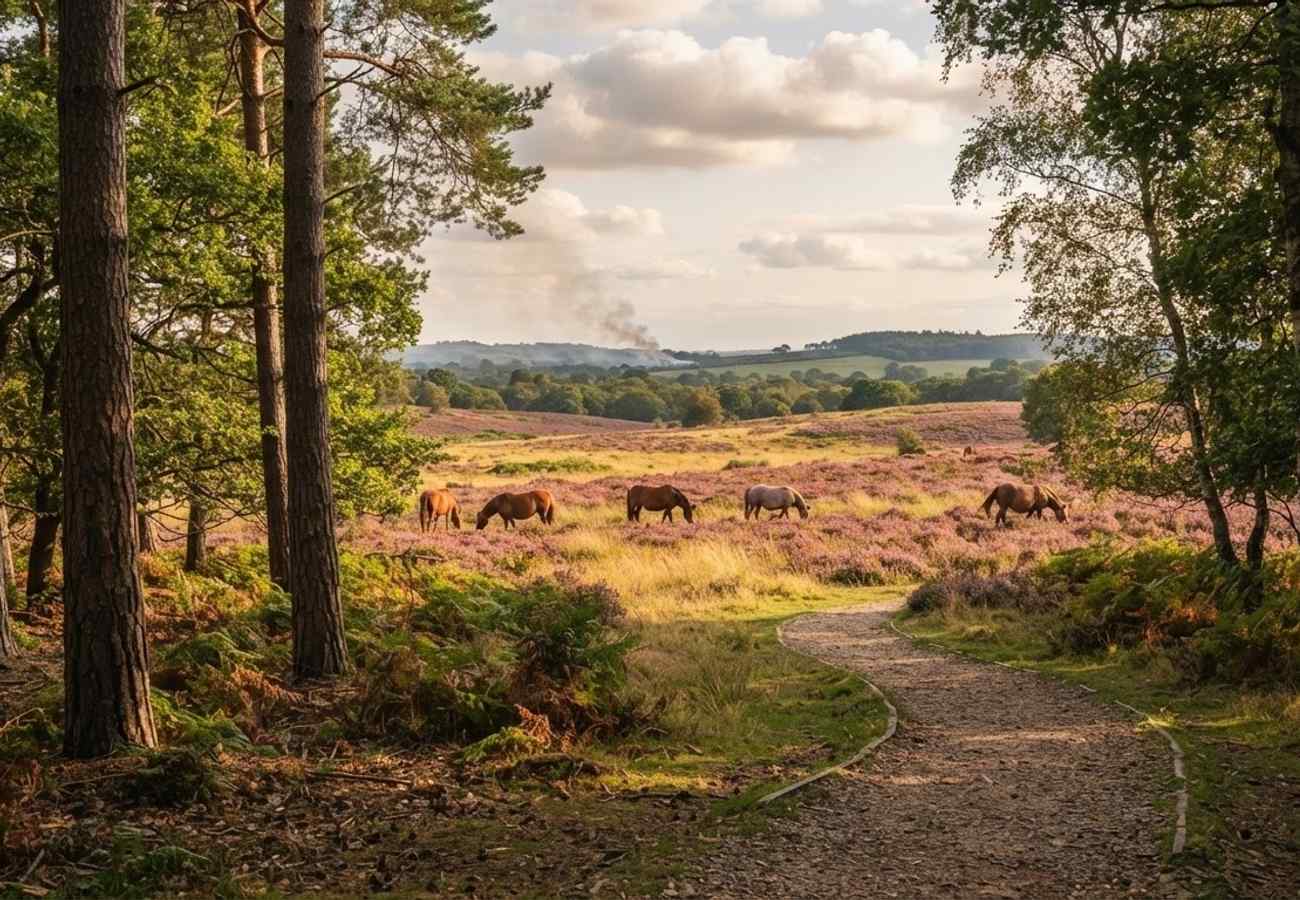
Image generated by AI
Tourism officials in the New Forest are actively discouraging trip cancellations as emergency services manage localized wildfires. While specific zones remain restricted, the vast majority of the region's hospitality and attraction infrastructure is fully operational.
New Forest Wildfire Status and Operational Impact
An active wildfire is currently affecting portions of the New Forest, prompting emergency responses to protect the region's unique habitats and wildlife. Despite the environmental concerns, local tourism authorities have confirmed that the New Forest's expansive geography means most visitor hubs are entirely unaffected.
Emergency teams are currently managing the blaze, and while certain areas are restricted, the broader tourism economy—including hotels, holiday parks, and independent shops—continues to operate under normal conditions.
Regional Disruption Breakdown
Our analysis of current site reports indicates the following impact levels:
- Accommodation: Hotels, campsites, and holiday rentals remain open unless the provider has contacted the guest directly.
- Infrastructure: Certain car parks and specific forest access points are subject to temporary closures.
- Transportation: Road conditions may vary near active fire zones; travelers are advised to check local traffic updates.
- Attractions: Most hospitality venues and tourist sites outside the immediate fire danger zone are operating normally.
Passenger Rights & Visitor Advisory
For the traveler currently holding a booking in the New Forest, the legal and practical implications are as follows:
Booking Obligations and Cancellations Our analysis of standard UK travel contracts suggests that unless a provider formally cancels a booking or a government-issued "do not travel" warning is implemented for the specific destination, guests are generally expected to fulfill their reservations. Unilateral cancellations by the guest may result in the loss of deposits depending on the provider's terms and conditions.
Insurance and "Force Majeure" For the affected traveler, this means checking if their travel insurance covers "natural disasters" or "wildfires." Most policies require a formal closure of the destination or a government warning to trigger a claim. A localized fire that does not affect the specific hotel or transport route may not be sufficient for a full insurance refund.
Actionable Steps for Visitors:
- Direct Verification: Contact your hotel or campsite directly to confirm their specific operational status.
- Route Planning: Avoid entering any areas marked with emergency restrictions to prevent interfering with firefighting operations.
- Real-Time Monitoring: Follow official land management authorities for updates on walking routes and forest access.
Industry Analyst View
The push to maintain visitor numbers during an environmental crisis highlights the fragility of regional tourism economies. In the New Forest, where thousands of businesses rely on seasonal spending, widespread "panic cancellations" can cause more long-term economic damage than the fire itself.
The current strategy by tourism leaders is to balance ecological protection with economic stability. By isolating the "danger zones" and promoting "responsible travel," authorities are attempting to prevent a total collapse of the local hospitality sector during the 2026 summer window.
Stay informed on regional safety protocols and official government travel updates before departure.
Related Travel Guides
Disclaimer
This article is for informational and educational purposes only. It does not constitute legal, financial, or professional advice. While we strive to provide accurate and up-to-date information, travel policies, regulations, and conditions change rapidly. Always verify information with official sources before making travel decisions. Nomad Lawyer makes no representations about the accuracy, reliability, completeness, or suitability of the information provided. Readers should consult qualified professionals for advice specific to their circumstances. The views expressed in this article are those of the author and do not necessarily reflect the views of Nomad Lawyer.
Raushan Kumar
Founder & Lead Developer
Full-stack developer with 11+ years of experience and a passionate traveller. Raushan built Nomad Lawyer from the ground up with a vision to create the best travel and law experience on the web.
Learn more about our team →