
Uber Integrates Hotel PMS Systems for Seamless Guest Transfers
Uber partners with Mews to embed ride-booking directly into hotel property management systems, automating airport transfers and guest transportation billing globally.

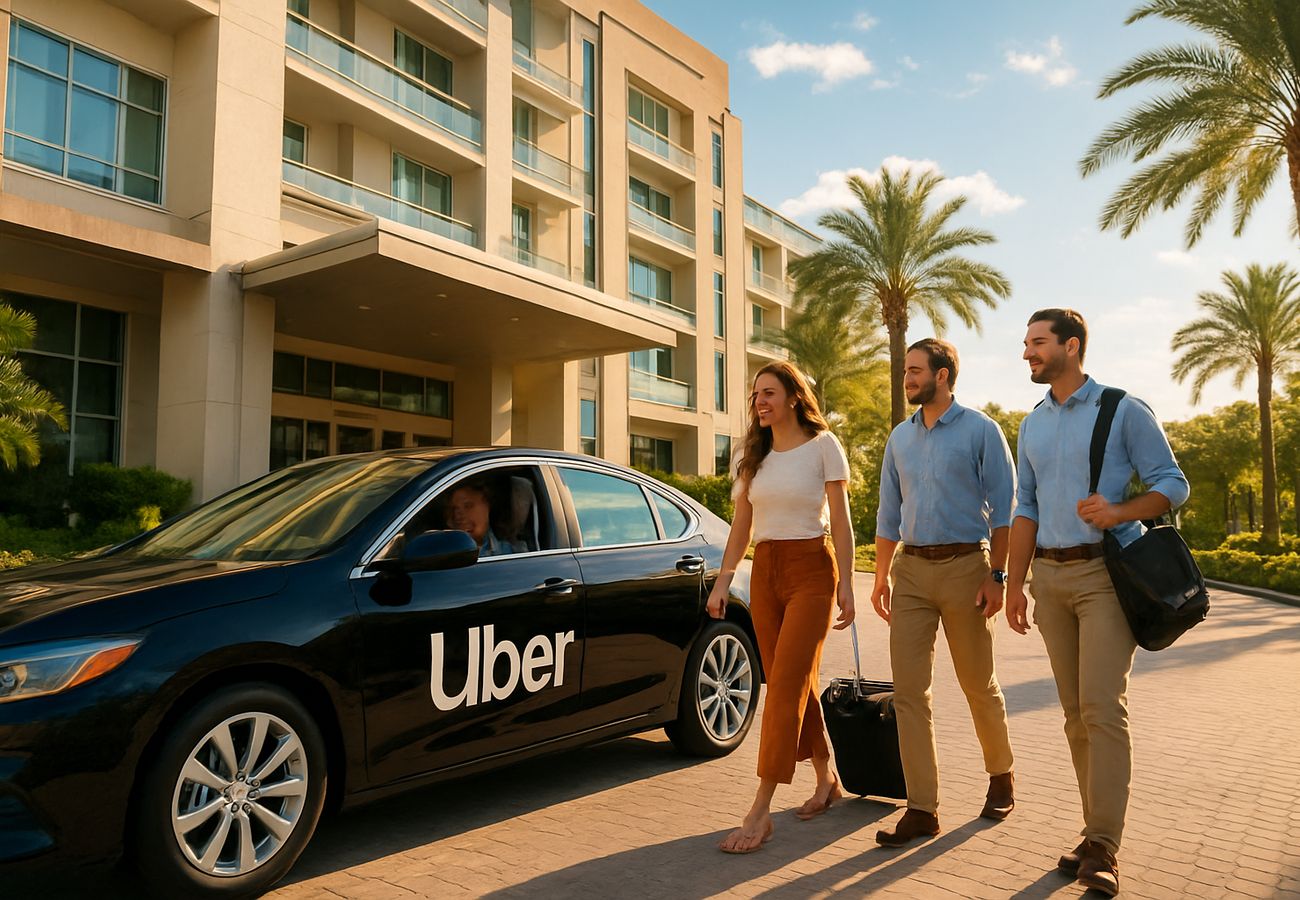
Image generated by AI
For decades, hotels have controlled everything inside their walls—reservations, check-ins, housekeeping, billing. But the moment guests stepped outside seeking a ride, that control vanished. They'd fumble with apps, juggle separate payments, and coordinate pickups independently. Uber and Mews just announced a partnership that could change all that, embedding ride-booking directly into hotel operating systems worldwide.
Transportation Finally Enters the Hotel Ecosystem
Guests checking into hotels expect seamless comfort, yet one frustrating gap has persisted: transportation. Until now, airport pickups, late-night city rides, and transfer arrangements remained outside hotel control—forcing travelers to switch between apps, manage separate billing, and navigate coordination chaos. The Mews-Uber integration aims to eliminate that friction by bringing mobility services into the core hotel property management system.
The partnership signals a fundamental shift in how hospitality technology operates. Property management systems—historically built only for reservations, check-ins, housekeeping, and payment processing—are transforming into comprehensive guest experience platforms. According to official announcements, the integration will allow hotel staff to request Uber rides, track vehicles in real-time, and automatically add transportation charges to a guest's hotel folio without ever leaving the Mews dashboard.
Reddit: "Finally. Being able to book a ride without switching apps while staying at a hotel just makes sense." — r/travel
Centralizing Transportation Within Hotel Operations
Hotel front desks currently handle transportation requests manually—coordinating with external vendors, taking phone calls, managing confirmations, and tracking arrivals. Mews executives describe this as one of the most labor-intensive, repetitive tasks still executed by hospitality staff globally.
The new system consolidates that workflow. Hotel employees can arrange airport pickups, schedule rides for specific times, track vehicle locations, send guest notifications, and manage the entire transportation process through a single platform. This automation reduces administrative overhead while improving coordination accuracy and guest communication.
The feature addresses a real operational bottleneck. Hotels operating dozens of rooms daily field constant transportation requests—early morning airport runs, evening dinner reservations across the city, late-night venue transfers. Embedding Uber directly into hotel systems transforms these from manual interactions into automated, tracked, and coordinated processes.
Unified Billing Reshapes Corporate Travel Economics
The integration's most significant feature may be automatic billing consolidation. Ride expenses will appear directly on guest hotel invoices through Mews Payments, eliminating separate receipts, reimbursement forms, and reconciliation headaches.
For business travelers and enterprise travel programs, this changes the math considerably. Companies spend billions annually processing transportation expense reports separate from accommodation costs. Unified invoicing—combining rooms, meals, and mobility under one folio—dramatically simplifies corporate travel accounting and compliance.
Industry analysts predict this feature becomes especially valuable for travel managers overseeing large groups, corporate programs, and multinational employees. Instead of chasing receipts and managing parallel expense systems, finance departments receive consolidated travel invoices covering accommodations and transportation together. According to hospitality research cited in official announcements, guests spend approximately $50 per stay on independently arranged transportation services—revenue hotels currently capture minimally.
Uber's Expanding Travel Infrastructure Strategy
This partnership represents another strategic move by Uber beyond ride-hailing into broader travel infrastructure. The company previously introduced its GO-GET 2026 strategy emphasizing transportation, delivery, and travel-related experience services.
Positioning Uber as a travel ecosystem provider—rather than simply a consumer transportation app—aligns with industry trends toward integrated mobility platforms. The Mews integration demonstrates how Uber can embed its services into existing hospitality technology stacks, extending reach and usage without competing directly with hotels.
Uber's strategy mirrors broader tech industry consolidation, where companies become infrastructure providers powering various customer touchpoints. By integrating into hotel systems handling billions in annual transactions, Uber gains embedded access to business and leisure travelers at critical journey moments.
Guest Experience as Competitive Battleground
Modern travelers increasingly demand seamless digital experiences across their journeys. Hotels now compete not merely on rooms and amenities but on convenience, personalization, and operational friction reduction. As connected hospitality gains momentum, hoteliers recognize that guest satisfaction increasingly depends on how effortlessly services integrate.
The transportation integration reflects this evolution. Guests want to feel that their hotel genuinely manages their entire experience—not just their room, but their movements, transfers, and coordination throughout their stay. Embedding mobility into hotel systems signals that hotels acknowledge and simplify previously fragmented guest logistics.
Digital Hospitality Meets Regulatory Requirements
As hotels increasingly adopt cloud-based systems managing transportation, payments, and customer data collectively, regulatory compliance becomes critical. Europe's GDPR regulations, data privacy frameworks, and emerging digital infrastructure standards require careful handling of traveler information flowing between transportation and hospitality platforms.
Government bodies worldwide—particularly across Europe—continue emphasizing the importance of connected mobility systems and digital transportation access. The partnership emerges amid broader policy encouragement toward digitization and smart tourism ecosystems, though compliance requirements grow correspondingly more complex.
Mews' Global Expansion Accelerates
Mews, the Prague-founded cloud-native hospitality operating system, has emerged as one of the industry's most recognized platforms. The company currently supports more than 15,000 customers across 85 countries, offering PMS management, payment processing, revenue management, and comprehensive hotel operations services.
The company has received multiple hospitality technology awards for innovation in property management and hotel automation. Its rapid expansion reflects broader industry recognition that cloud-based, integrated platforms represent the future of hospitality technology rather than legacy, siloed systems.
Pilot Program Launches Later in 2026
The integration remains under development, with pilot launches expected later in 2026 before broader availability to hospitality customers. Executives from both companies plan to discuss connected travel technology's future during the Mews Unfold conference in Amsterdam, where the partnership was formally introduced to the hospitality industry.
The timeline suggests aggressive development. Both companies recognize that early-mover advantages in embedded hospitality integrations carry significant competitive value. Hotels adopting the integration first gain operational advantages and guest experience differentiation over competitors still managing transportation separately.
The Emerging Fully-Integrated Travel Hotel
The partnership appears simple on the surface—guests book rides through their hotel. But beneath that convenience lies fundamental transformation in how hospitality operates. Hotels are no longer managing solely rooms. They're managing entire journeys.
As transportation, payments, guest identity, and hospitality services increasingly merge into unified digital ecosystems, the hotel experience itself transforms. Future hospitality may be defined not by luxury lobbies or room upgrades alone, but by how invisible and seamless the entire travel experience feels from arrival to departure. The hotel becomes less a building and more a coordination platform.
Connected hospitality isn't coming—it's already here, and it's reshaping how guests expect to move through their journeys.
Related Travel Guides
easyJet Launches Newcastle-Faro Route Boosting UK-Portugal Tourism Connections
United Airlines Expands Transatlantic Network with New Summer International Routes
Airlines Report Record Corporate Travel Bookings as Business Spending Accelerates
Disclaimer
This article is for informational and educational purposes only. It does not constitute legal, financial, or professional advice. While we strive to provide accurate and up-to-date information, travel policies, regulations, and conditions change rapidly. Always verify information with official sources before making travel decisions. Nomad Lawyer makes no representations about the accuracy, reliability, completeness, or suitability of the information provided. Readers should consult qualified professionals for advice specific to their circumstances. The views expressed in this article are those of the author and do not necessarily reflect the views of Nomad Lawyer.
Kunal K Choudhary
Co-Founder & Contributor
A passionate traveller and tech enthusiast. Kunal contributes to the vision and growth of Nomad Lawyer, bringing fresh perspectives and driving the community forward.
Learn more about our team →