
UAE Mobility Power Surge Etihad Rail AED10 Bus Service Sparks Massive Tourism and Travel Demand Explosion
Accor and Amsa Hospitality launch The Palm Qassim – Handwritten Collection in Saudi Arabia. Opening Q4 2026, this boutiq

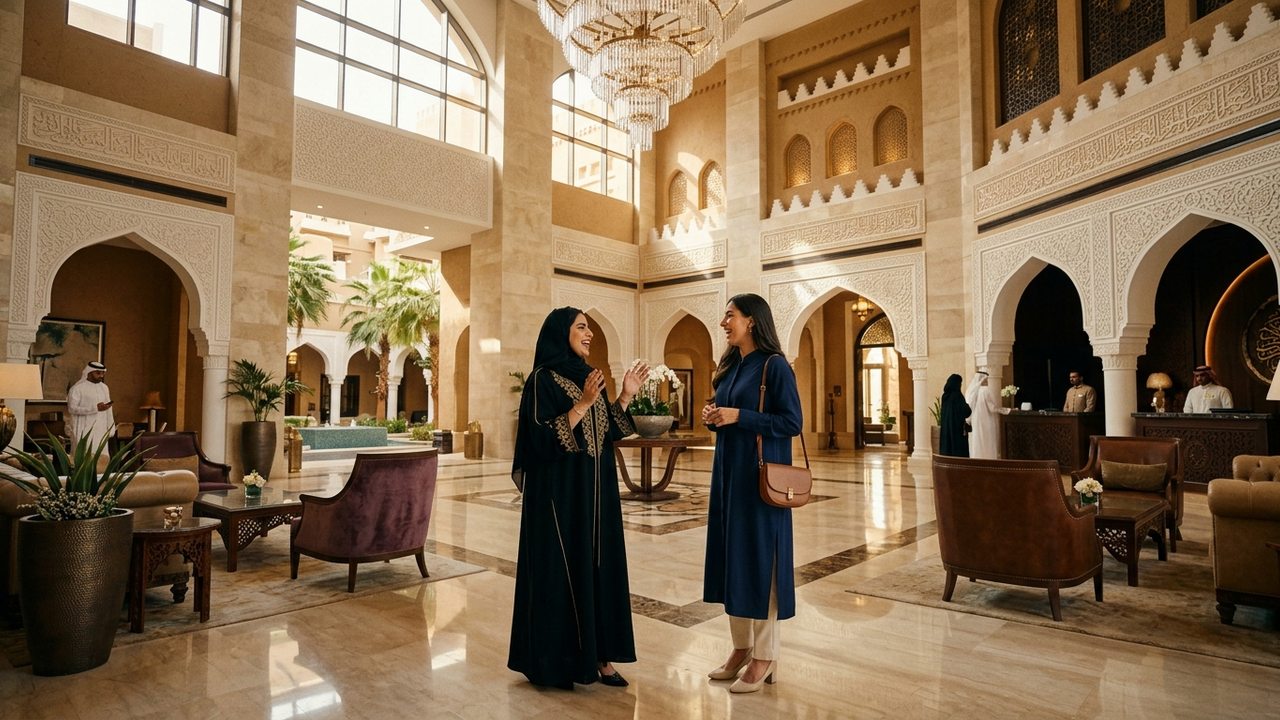
Image generated by AI
[Qassim, June 27, 2026] — Accor has announced a strategic partnership with Amsa Hospitality to launch The Palm Qassim – Handwritten Collection, marking the official debut of this boutique hospitality brand within the Kingdom of Saudi Arabia. The project is slated for completion in the fourth quarter of 2026 and will be integrated into the Kayan Avenues mixed-use development in the Qassim region.
This expansion comes at a time when Saudi Arabia is aggressively diversifying its tourism offerings to move beyond the primary hubs of Riyadh and Jeddah. By introducing a boutique concept focused on local storytelling and cultural authenticity, the development aligns with the national objectives of the Vision 2030 strategy to increase non-oil revenue and promote regional exploration.
Qassim Transforms Into a Strategic Tourism Hub
The Qassim region is currently evolving from an agricultural and cultural center into a sophisticated lifestyle destination. Industry reports indicate that the area is undergoing a comprehensive infrastructure overhaul designed to attract both domestic visitors and international travelers.
The strategic placement of The Palm Qassim within a mixed-use environment allows it to leverage a synergy of retail, dining, and leisure services. Furthermore, the region's connectivity is bolstered by its proximity to Prince Naif Bin Abdulaziz International Airport, which serves as a critical gateway for the province. This shift reflects a broader national trend of decentralizing tourism to uncover the heritage and potential of emerging provinces.
Architectural Fusion and Local Identity at The Palm Qassim
The upcoming property will feature 142 rooms and suites, with a design philosophy centered on "sense of place." Rather than following a standardized corporate template, the hotel will integrate traditional Najdi architectural elements with modern luxury standards.
According to project details, the guest experience will be shaped by:
- Cultural Storytelling: Design motifs inspired by ancient caravan routes and historical trade paths.
- Regional Aesthetics: Interiors that mirror traditional courtyard homes and the natural desert landscape.
- Local Gastronomy: Integration of regional specialties, such as Qassimi dates and traditional Saudi coffee, into the hospitality service.
This focus on authenticity mirrors a global shift in the travel industry, where high-end travelers increasingly seek "experiential" stays that connect them deeply with the local culture of their destination.
Comprehensive Facilities Within Kayan Avenues
To attract a diverse demographic of guests, the hotel is being equipped with a variety of high-end amenities. The property is designed to serve as a dual-purpose hub for corporate travelers and vacationers.
Key facilities include:
- An all-day dining venue and a sophisticated lobby lounge.
- Dedicated professional meeting rooms for business events.
- A fully equipped fitness center and an indoor swimming pool.
Because the hotel is situated within the Kayan Avenues development, guests will have immediate access to a wider ecosystem of commercial and entertainment outlets, creating a seamless "live-work-play" environment.
Global Expansion of the Handwritten Collection
Launched in 2023, the Handwritten Collection is Accor's answer to the rising demand for individuality in the hotel sector. The brand operates as a portfolio of boutique hotels where each property is unique, reflecting the specific personality of its location rather than a uniform brand identity.
The collection has seen rapid growth across the Americas, Asia Pacific, and Europe. The entry into the Saudi market is viewed by industry observers as a pivotal milestone in the brand's Middle Eastern growth strategy. It signals a move away from the "big box" hotel model toward more personalized, narrative-driven accommodation.
Saudi Vision 2030 and the Hospitality Evolution
The development of The Palm Qassim is a direct byproduct of the Saudi Vision 2030 framework. The Kingdom is investing heavily in the hospitality sector to transform the country into a global tourism powerhouse.
By encouraging international brands to enter secondary cities and emerging regions, the government is fostering a more resilient and diverse economy. The focus has shifted toward heritage preservation and cultural tourism, ensuring that modernization does not erase the historical identity of regions like Qassim.
Accor’s Long-Term Strategy in the Middle East
Accor is continuing to scale its operations across the Gulf region, maintaining a robust pipeline of properties under development. The company’s approach involves partnering with local developers, such as Amsa Hospitality, to blend global operational standards with deep regional market intelligence.
This strategy allows the group to mitigate risk while expanding its footprint in both metropolitan centers and untapped provincial markets. The continued investment in the Kingdom underscores strong confidence in the long-term stability and growth of the Saudi tourism market.
| Project Detail | Specification |
|---|---|
| Hotel Name | The Palm Qassim – Handwritten Collection |
| Partner | Amsa Hospitality |
| Location | Kayan Avenues, Qassim, Saudi Arabia |
| Total Inventory | 142 Rooms and Suites |
| Expected Opening | Q4 2026 |
| Key Amenities | Fitness Center, Indoor Pool, Meeting Rooms, All-Day Dining |
| Design Influence | Najdi Architecture & Caravan Routes |
Why This Matters: The Shift Toward "Hyper-Local" Luxury
The launch of The Palm Qassim represents more than just the addition of a new hotel; it signals a fundamental shift in the Saudi hospitality paradigm. For decades, luxury in the Kingdom was defined by scale and opulence. However, the introduction of the Handwritten Collection suggests a transition toward "hyper-local" luxury, where the value is derived from authenticity, storytelling, and cultural connection.
For the aviation and travel industry, this is a critical indicator that demand is shifting toward "secondary cities." As these boutique hubs open, airlines can expect an increase in regional traffic and a diversification of passenger profiles—moving from purely business-driven travel to cultural and leisure-driven exploration. This trend will likely trigger a ripple effect, encouraging further investment in regional airports and ground transportation infrastructure across the Kingdom.
Related Travel Guides
Disclaimer
This article is for informational and educational purposes only. It does not constitute legal, financial, or professional advice. While we strive to provide accurate and up-to-date information, travel policies, regulations, and conditions change rapidly. Always verify information with official sources before making travel decisions. Nomad Lawyer makes no representations about the accuracy, reliability, completeness, or suitability of the information provided. Readers should consult qualified professionals for advice specific to their circumstances. The views expressed in this article are those of the author and do not necessarily reflect the views of Nomad Lawyer.
Kunal K Choudhary
Co-Founder & Contributor
A passionate traveller and tech enthusiast. Kunal contributes to the vision and growth of Nomad Lawyer, bringing fresh perspectives and driving the community forward.
Learn more about our team →