
UAE Overtakes Germany as Oman Records 12 Point 6 Percent Tourism Surge Driven by 491503 Gulf Arrivals in H1 2026
Oman tourism grows by 12.6% in H1 2026 as the UAE leads with 491,503 arrivals, followed by India and Germany under Oman Vision 2040 diversification.

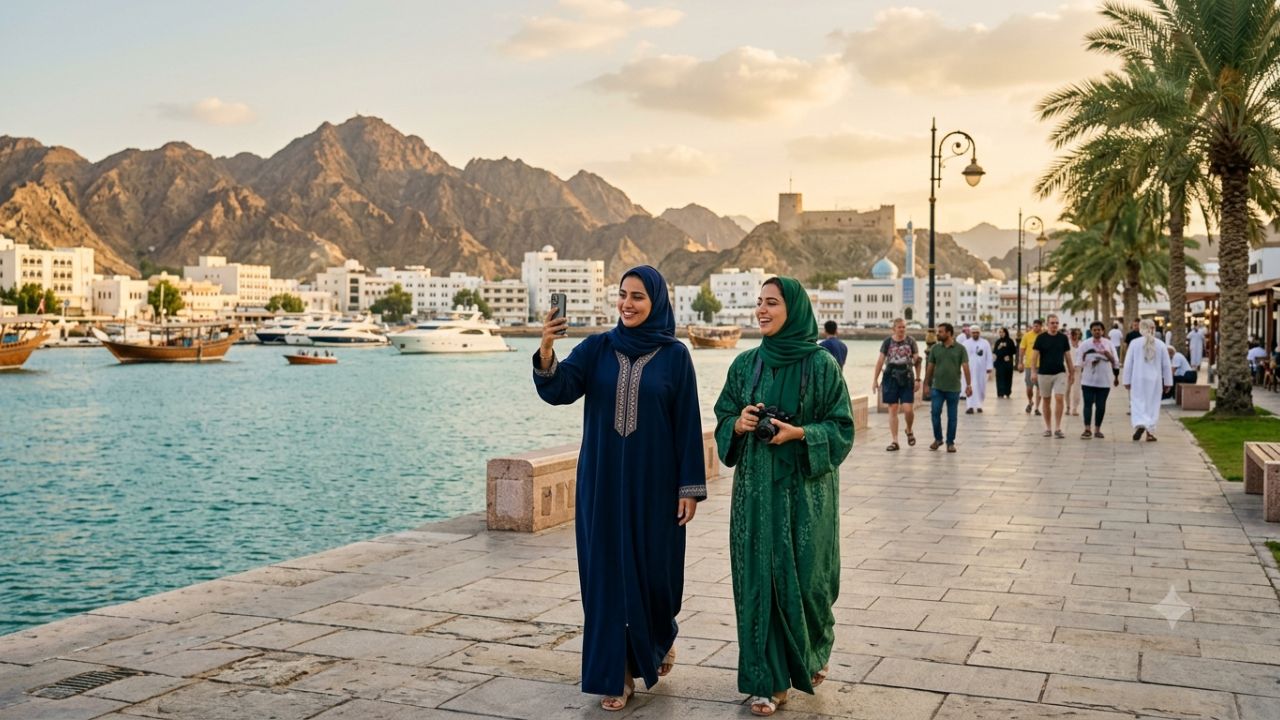
Image generated by AI
Oman’s international tourism sector recorded a 12.6% increase in visitor arrivals during the first half of 2026, anchored by strong regional demand from the United Arab Emirates and expanding long-haul arrivals from India and Germany.
Official performance metrics published by Oman’s National Centre for Statistics and Information (NCSI) demonstrate that the Sultanate is successfully expanding its travel economy beyond traditional cultural tourism. Supported by targeted infrastructure investments under Oman Vision 2040, the country is drawing increased visitor volume across luxury mountain resorts, desert camps, coastal diving hubs, and UNESCO heritage sites.
Oman Records 12 Point 6 Percent Visitor Growth Driven by Regional and Long-Haul Markets
The early 2026 performance highlights a balanced geographic growth structure. Nearby Gulf Cooperation Council (GCC) nations provide steady short-break and weekend leisure traffic, while European and Asian markets deliver high-spending, longer-stay visitors.
The 12.6% arrival surge aligns with national economic diversification objectives. By developing integrated tourism complexes, upgrading regional airport infrastructure, and promoting authentic nature-based experiences, Oman is positioning itself as a primary travel hub in the Middle East.
Source Market Breakdown and Statistical Matrix H1 2026
The table below outlines arrival metrics, market rankings, and primary travel drivers recorded across Oman’s top source markets during the first half of 2026:
| Market Rank | Source Country | H1 2026 Visitor Count | Primary Travel Segment | Key Geographic Destinations |
|---|---|---|---|---|
| 1 | United Arab Emirates (UAE) | 491,503 visitors | Short leisure breaks, family resort stays | Muscat, Nizwa, Jebel Akhdar, Salalah |
| 2 | India | 382,015 visitors | Leisure, luxury dining, MICE & business | Muscat, Wahiba Sands, Coastal Resorts |
| 3 | Germany | 68,771 visitors | Nature tours, desert exploration, eco-lodges | Al Hajar Mountains, Wahiba Sands |
| 4 | Poland | Emerging Growth Market | Winter sunshine escapes, outdoor hiking | Salalah, Coastal Diving Circuits |
| 5 | Russia | Emerging Growth Market | Luxury coastal stays, winter leisure travel | Muscat Waterfront, Salalah Resorts |
Comparative Analysis of Primary Source Markets
The United Arab Emirates Leads Regional Demand
The UAE established itself as Oman’s single largest international source market in 2026, delivering 491,503 visitors in the first six months. Short flight times and accessible land border crossings support frequent weekend getaways for UAE residents seeking mountain cooler climates and historical villages.
Popular circuits for UAE travelers include the high-altitude climate of Jebel Akhdar, the historical forts of Nizwa, desert glamping in Wahiba Sands, and summer monsoon (Khareef) retreats in Salalah.
India Strengthens Position as Second-Largest Market
India recorded 382,015 arrivals, securing its position as Oman's second-largest tourism partner. Enhanced direct flight capacity between major Indian metropolitan hubs and Muscat has broadened appeal among leisure travelers, luxury wedding planners, and corporate meeting organizers.
Indian visitors contribute heavily to luxury accommodation occupancy in Muscat and guided heritage tours across ancient Incan-era maritime trading ports along the Omani coast.
Germany and Emerging European Markets
Germany maintained its standing as Oman's primary European origin market with 68,771 arrivals in H1 2026. German tourists favor guided trekking itineraries in the Al Hajar Mountains, eco-tourism projects, and authentic desert expeditions.
Concurrently, Poland and Russia demonstrated marked growth, expanding Oman's footprint across Eastern and Central Europe during the winter travel window.
Traveler Logistics Guide: Routing, Seasons, and Regional Excursions
Travelers planning journeys to Oman in 2026 can optimize transit and destination arrangements using standardized logistical protocols:
-
GCC Land Border and Flight Connectivity
- UAE-Oman Driving Corridors: Self-drive travelers crossing from Dubai or Abu Dhabi via the Hatta-Al Wajajah border post should ensure motor vehicle insurance includes explicit Oman territory coverage (Orange Card). Allow 60 to 90 minutes for border passport control during holiday weekends.
- Regional Flight Shuttle Services: Daily short-haul flights connect Dubai (DXB) and Abu Dhabi (AUH) to Muscat International Airport (MCT) with flight times under 70 minutes.
-
Indian Subcontinent Aviation Connections
- Direct Flights to Muscat & Salalah: Nonstop services operate daily from Delhi (DEL), Mumbai (BOM), Bengaluru (BLR), and Kochi (COK) into Muscat (MCT) and seasonal routes into Salalah (SLL).
- Digital Visa Approval: Eligible travelers should obtain an official e-Visa via the Royal Oman Police portal prior to departure to avoid arrival queues at Muscat International Airport.
-
High-Altitude and Desert Excursion Planning
- Jebel Akhdar Vehicle Requirements: Police checkpoints on the road to Jebel Akhdar strictly require 4WD vehicles due to steep mountain gradients. Standard 2WD sedans are denied entry past the checkpoint.
- Wahiba Sands Desert Logistics: When driving into Wahiba Sands desert camps, lower tire pressure at entry service stations and hire certified local bedouin guides for off-road dune navigation.
-
Salalah Khareef Season Timing
- Monsoon Season Logistics: The Southern Dhofar region (Salalah) experiences the Khareef monsoon from late June through September, transforming desert terrain into lush greenery. Book hotel accommodations and domestic flights 3 to 4 months in advance for this peak period.
Oman Vision 2040 Infrastructure and Economic Impact
Oman’s 12.6% visitor growth reinforces the strategic goals of Oman Vision 2040, which targets sustainable economic diversification through tourism expansion. Ongoing investments in luxury eco-resorts, marine conservation areas, and heritage site restoration allow the Sultanate to expand capacity without compromising its distinct cultural identity.
By balancing high-volume regional travel from the UAE with high-yield long-haul markets across Europe and Asia, Oman is building a resilient, year-round tourism economy.
Related Travel Guides
The 10 Best Luxury Mountain Resorts in Oman, According To Reddit
Disclaimer
This article is for informational and educational purposes only. It does not constitute legal, financial, or professional advice. While we strive to provide accurate and up-to-date information, travel policies, regulations, and conditions change rapidly. Always verify information with official sources before making travel decisions. Nomad Lawyer makes no representations about the accuracy, reliability, completeness, or suitability of the information provided. Readers should consult qualified professionals for advice specific to their circumstances. The views expressed in this article are those of the author and do not necessarily reflect the views of Nomad Lawyer.
Raushan Kumar
Founder & Lead Developer
Full-stack developer with 11+ years of experience and a passionate traveller. Raushan built Nomad Lawyer from the ground up with a vision to create the best travel and law experience on the web.
Learn more about our team →